Insurance coverage for water damage in Arizona is one of the most misunderstood aspects of homeownership in the state. Many Phoenix homeowners assume their policy covers any water damage that occurs on their property, only to discover at claim time that specific exclusions apply to their event.
What Standard Arizona HO-3 Policies Typically Cover
The standard HO-3 policy — the most common homeowners insurance policy form in Arizona — covers sudden and accidental damage from internal water sources. 'Sudden' is the operative word: the damage must result from an event that occurred without warning, not from a slow leak or gradual deterioration over time. Covered events typically include burst pipes from pressure surges or material failure, supply line breaks from appliances (refrigerators, dishwashers, washing machines, water heaters), sudden HVAC drain pan overflow, and rain or hail entering through a roof or wall opening created by a covered storm event. Read more about our team and certifications if you want to know who will be showing up at your door.
Arizona HO-3 policies also generally cover resulting damage from these covered events. For example, if a supply line fails under a kitchen sink and the resulting water damages the cabinet floor, flooring, and adjacent wall, all of that resulting damage is typically covered under the same claim.
Personal property coverage under your HO-3 extends to belongings damaged by a covered water event. Furniture, electronics, clothing, and other personal items damaged by a covered burst pipe, appliance failure, or storm intrusion are typically covered under Coverage C of your policy. the Insurance Information Institute breaks down what standard homeowners policies do and do not cover for water damage.
What Arizona Homeowners Insurance Does NOT Cover
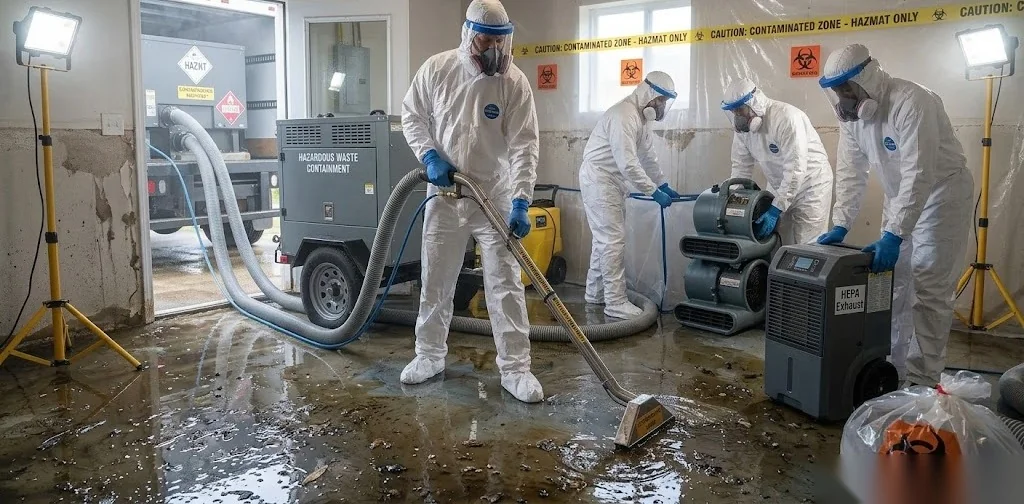
The most significant exclusion in standard Arizona homeowners policies is flooding from external sources — rising water from heavy rain, storm runoff, overflowing water bodies, or groundwater. This type of flooding is specifically excluded from standard HO-3 policies in Arizona, as it is in most states.
Gradual water damage — from a slow pipe leak, chronic condensation, inadequate drainage, or a roof that has been deteriorating for years — is excluded from standard coverage. If an adjuster finds evidence that a leak was occurring over an extended period before causing visible damage, the claim may be denied entirely or significantly reduced.
Mold damage that results from a covered water event is typically covered as a resulting damage if discovered during the initial restoration. However, pre-existing mold or mold that develops because the homeowner failed to properly dry a water damage event may not be covered.
Critical Endorsements Every Phoenix Homeowner Should Have
Sewer backup coverage is one of the most important endorsements for Phoenix homeowners and one of the most commonly overlooked. Standard HO-3 policies specifically exclude damage from sewer or drain backup, even when the backup originates from a municipal line and the homeowner is blameless. FEMA's National Flood Insurance Program explains how the National Flood Insurance Program covers flood losses. If a situation like this is happening right now, you can request emergency service and we'll get moving.
Service line coverage protects the water and sewer lines running between your home and the municipal connection at the street. These lines are typically the homeowner's responsibility from the property line to the home, and failures — pipe collapse, root intrusion, corrosion — can be expensive.
Equipment breakdown coverage provides protection for mechanical and electrical failures of home systems — HVAC, water heaters, pool equipment — that standard HO-3 policies exclude as 'mechanical breakdown.' Since HVAC water damage is among the most common water damage types in Phoenix (where air conditioners run 9–10 months of the year), equipment breakdown coverage that includes resulting water damage can significantly expand your protection. Review this option with your agent if you have a newer or high-value HVAC system.
How to Maximize Your Water Damage Claim in Arizona
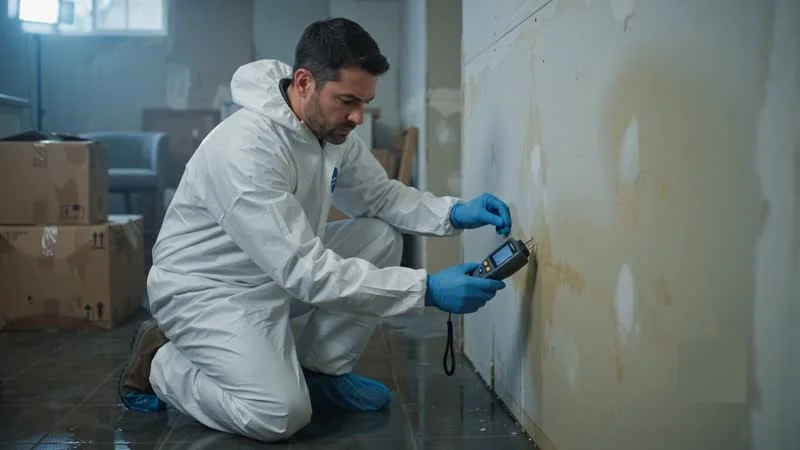
The moment you discover water damage, your actions directly affect your claim outcome. Document everything with photo and video before any cleanup begins — the water level, source, all affected materials, and damaged contents. FloodSmart.gov has more detail on flood insurance coverage and eligibility.
Hire a certified restoration company that documents to insurance standards. Your restoration company's moisture map, daily drying logs, and itemized scope of work are the technical foundation of your claim.
If your claim is underpaid or disputed, you have options in Arizona. First, request a copy of the adjuster's written scope of work and compare it to your restoration company's scope — differences often reveal specific items that were excluded or undervalued.