Commercial water damage insurance in Phoenix operates differently than residential coverage — with higher stakes, more complex coverage structures, and multiple parties often involved. Understanding your coverage before an event and the documentation requirements during one is essential for any Phoenix business owner.
Coverage Structure
Commercial property insurance covers the building and business personal property at replacement cost — the actual cost to rebuild at current Phoenix construction costs. Coverage set more than two to three years ago may be below current replacement cost after recent construction cost increases. Review your coverage limit annually in light of current construction pricing. It's worth browsing our full list of restoration services to see which one matches what you're dealing with.
An open or special form policy covers all perils except those specifically excluded — the appropriate form for comprehensive Phoenix commercial protection. Standard exclusions include external flooding, earthquake, and gradual deterioration. Sewer backup requires a specific endorsement.
Replacement cost versus ACV: ACV deducts depreciation from claim payments — in a commercial property with older equipment, this can significantly reduce payment below actual replacement cost. Replacement cost coverage pays based on what it actually costs to repair or replace with comparable materials. the Insurance Information Institute breaks down what standard homeowners policies do and do not cover for water damage.
Business Interruption Coverage
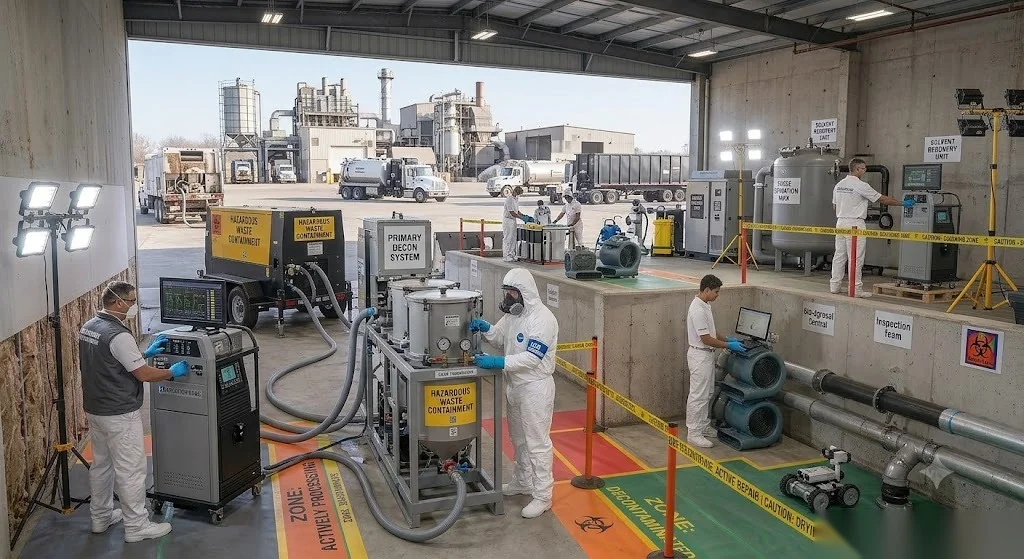
BI is triggered when covered property damage prevents or limits normal operations. BI compensates for: lost net income that would have been earned, continuing fixed expenses that do not pause during closure, and extra expenses to minimize the interruption period such as temporary location costs. If cost is on your mind, how our pricing works breaks down what typically drives the number up or down.
The restoration period for BI begins at the date of loss and ends when the property is or should be restored with reasonable diligence. Aggressive restoration timelines reduce BI exposure directly — every day compressed saves a day of BI claim. Your restoration company's ability to scale crew and equipment for commercial jobs directly affects total BI claim exposure.
BI has a waiting period — typically 24-72 hours before coverage begins — and a maximum coverage period. Review your policy's waiting period and maximum restoration period before an event. Extra expense coverage complements BI by paying for costs above normal operating expenses incurred to maintain partial operations during the restoration period.
Tenant vs Landlord Insurance
Water damage in a Phoenix leased property creates two parallel insurance situations: the landlord's property insurance covering the building, and the tenant's business insurance covering improvements, equipment, inventory, and business income. The split of responsibility is determined by the lease agreement. FEMA's National Flood Insurance Program explains how the National Flood Insurance Program covers flood losses. If you want to go deeper on this, our guide on Water Remediation for Rental Properties: A Landlord's Guide covers it well.
In a water event from a building system failure, the landlord's policy is primary for structural damage while the tenant's policy covers tenant improvements, business personal property, and business income. In an event from a tenant-side failure, the tenant's policy is primary, and the tenant may have liability exposure to the landlord for building damage caused by their system.
Triple net leases — common in Phoenix commercial real estate — create a structure where the tenant pays operating expenses including insurance. Understanding your specific lease structure and insurance implications before a water event determines who bears what cost and which carrier is primary for each damage category.
Maximizing Your Claim
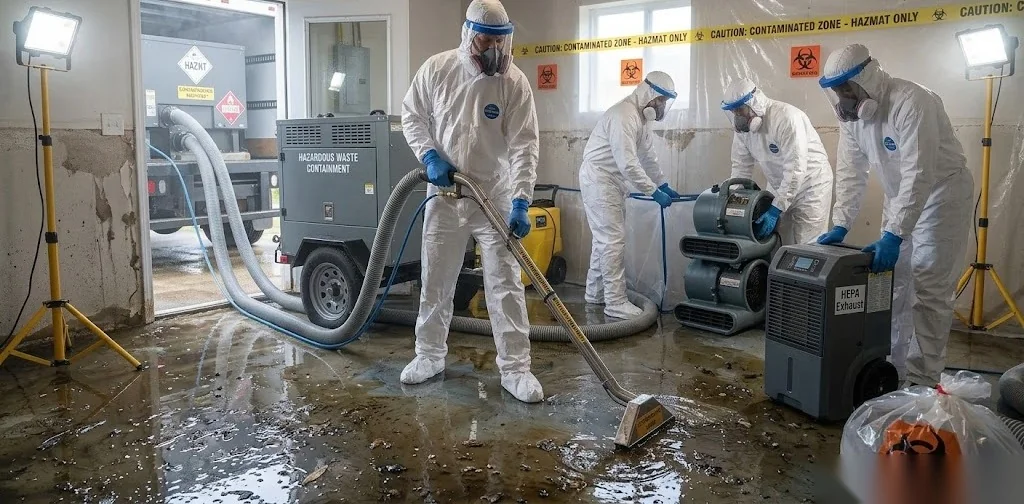
Commercial water damage claims are negotiated, not simply processed. The initial adjuster settlement is a starting point — a scope developed from a site visit before full damage extent is known. Supplemental claims filed when hidden damage is discovered or scope expands are normal and expected for large commercial losses. FloodSmart.gov has more detail on flood insurance coverage and eligibility. We also break this down further in Water Damage in Arizona Rentals: Landlord and Tenant Rights.
Engage a restoration company experienced in commercial insurance documentation before the adjuster arrives. A company using Xactimate or adjuster-compatible pricing, producing moisture maps and drying logs as standard practice, with a dedicated insurance coordinator, produces documentation that moves efficiently through adjuster review.
Prompt and thorough documentation from the first moments of the event is essential: photographs and video before cleanup, daily restoration progress, business records establishing the operational impact, contractor invoices, and all insurance correspondence preserved in organized digital files.