Content pack-out — professional removal, cataloging, transport, and off-site restoration of personal property during water damage — is triggered when structural restoration cannot be effectively accomplished with contents in place. Understanding when pack-out is warranted and what the process involves helps Phoenix property owners make informed decisions when a restoration company recommends it.
When Pack-Out Is Warranted
Pack-out is recommended when structural restoration scope requires complete space access — effective drying of a flooded floor plate requires positioning equipment throughout the space without furniture obstruction. Pack-out is also appropriate when contents require off-site restoration: controlled drying environments, ultrasonic cleaning, document drying, or specialist treatment not feasible in the damaged property. You can learn more about our Phoenix water damage restoration company and how we help Phoenix homeowners recover quickly.
For Phoenix business owners, pack-out of business records and critical equipment may be necessary to maintain partial operations during restoration. Critical business records that have been exposed to water require immediate professional document drying — wet documents are salvageable within 24-48 hours but deteriorate rapidly after that, including the potential need for immediate freezing to halt deterioration.
When contamination level prevents safe in-place work on contents — Category 3 events with sewage or floodwater — removing contents to a clean facility for decontamination is often the only way to achieve adequate cleaning of both the contents and the structural surfaces they were in contact with. the IICRC S500 standard sets the procedural benchmark restoration companies are expected to follow.
The Pack-Out Process
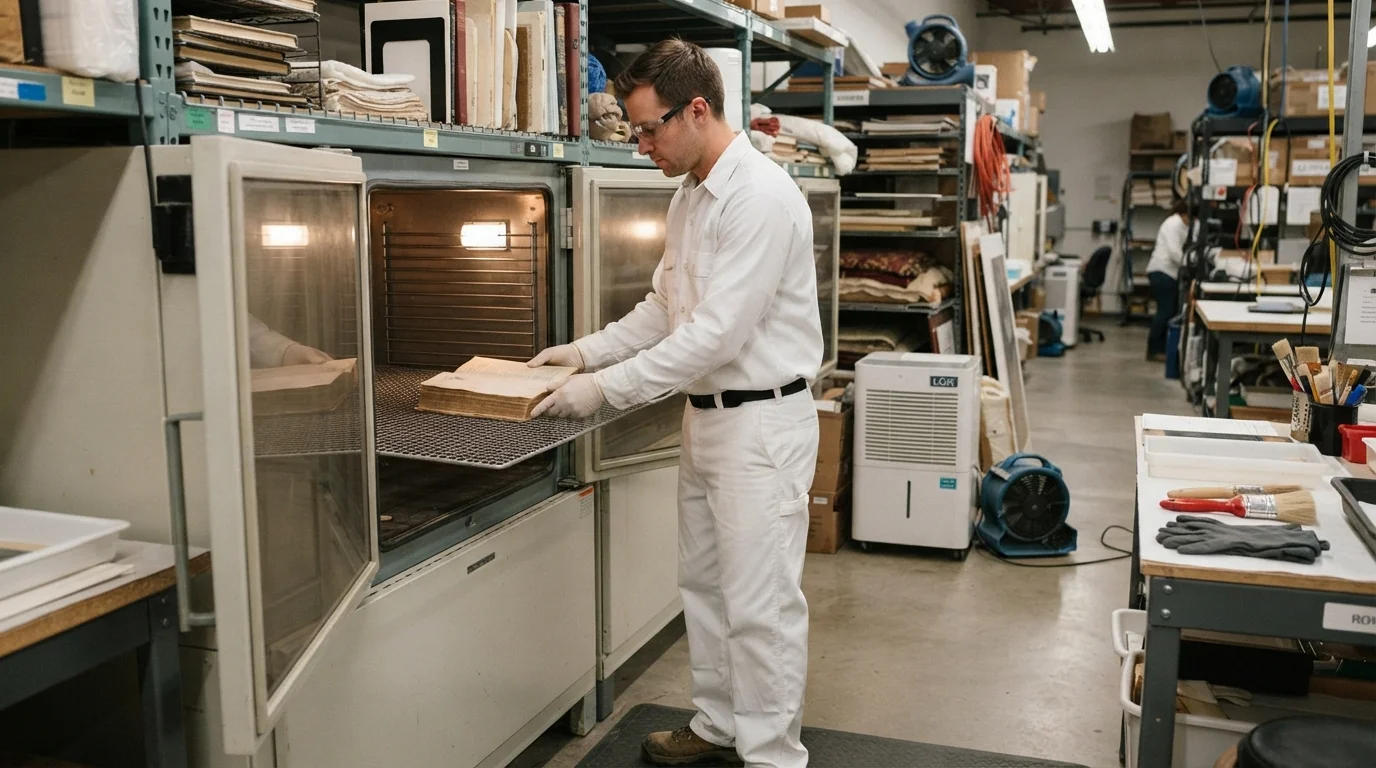
Professional pack-out begins with thorough inventory — each item photographed, described, and assigned a unique number before packing. This chain-of-custody record documents every item's condition at removal, its property location, and subsequent handling. The inventory is the foundation of the insurance content claim. Read more about our team and certifications if you want to know who will be showing up at your door.
Packing materials are matched to content type: fragile items individually wrapped, art transported flat with corner protection, electronics documented by make and serial number. At the pack-out facility, each content category receives appropriate treatment — controlled drying, decontamination, ultrasonic cleaning, document drying, or specialist referral for items beyond standard processing.
Return is coordinated after structural restoration is complete. Items are returned to original locations with the property owner present to verify condition. A walk-through photograph series at return documents any condition changes from pre-removal to return.
Insurance Coverage for Pack-Out
Pack-out services are a legitimate, commonly covered claim component. Adjusters review: documented necessity for pack-out, complete pre-removal inventory, itemized billing for packing, transport, storage, and individual restoration services, and disposition documentation for each item. the EPA provides background on how moisture control prevents mold growth in buildings. If you want to go deeper on this, our guide on Water Damage After a Phoenix House Fire: Addressing Combined Damage covers it well.
Pack-out billing should be separate from structural restoration in the scope submitted to the adjuster. Standard line items include labor for inventory and packing, transportation, facility storage per square foot per month, and restoration services by content type. This itemized billing is what the adjuster reviews against your content coverage limits.
Content coverage limits under standard homeowners policies typically cover personal property at ACV or RCV depending on your policy. High-value items — artwork, jewelry, collectibles — should be specifically scheduled to ensure adequate coverage. Review content limits and high-value item schedules annually.
Returning Contents After Restoration
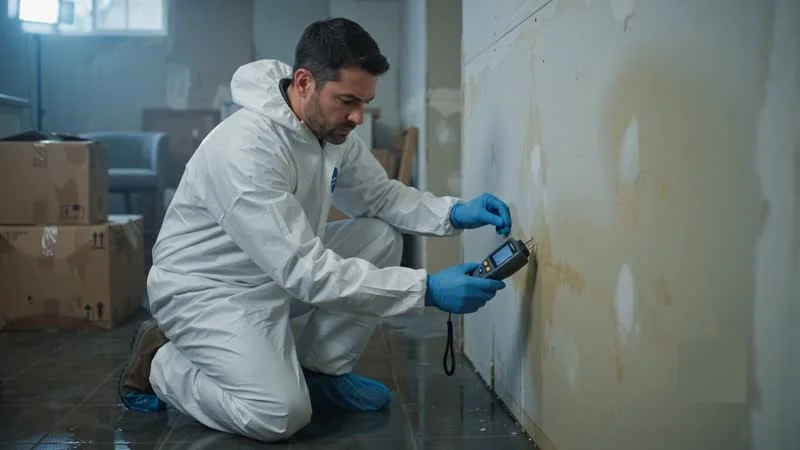
Content return is coordinated based on the original inventory and room placement documentation. Items are returned to original locations with the property owner present to verify condition and placement of each returned item. Any items identified as non-restorable during the pack-out process are confirmed against insurance documentation for replacement claim processing. FEMA's National Flood Insurance Program explains how the National Flood Insurance Program covers flood losses. We also break this down further in Affordable Water Damage Restoration in Phoenix: What "Affordable" Should Actually Mean.
Document content return with a walk-through photograph series comparing condition at return to pre-removal documentation. Professional pack-out companies carry bailee coverage — insurance covering contents in their care — that addresses any damage occurring during packing, transport, or storage at the facility.
For business pack-outs, coordinate a phased return — critical operational items first, non-essential items in subsequent trips — to align with your operational reopening timeline and staffing availability. Early return of IT equipment and essential operational items reduces the total business interruption period.