Why Equipment Maintenance Affects Job Quality
An extraction unit with a worn vacuum motor or clogged filter can lose a significant portion of its rated suction power, which directly means more water left behind in carpet padding and subflooring after a job — the equipment doing less than it's designed to do without anyone necessarily noticing on-site. If a situation like this is happening right now, you can request emergency service and we'll get moving. It's worth browsing our full list of restoration services to see which one matches what you're dealing with.
Sanitizing Equipment Between Jobs
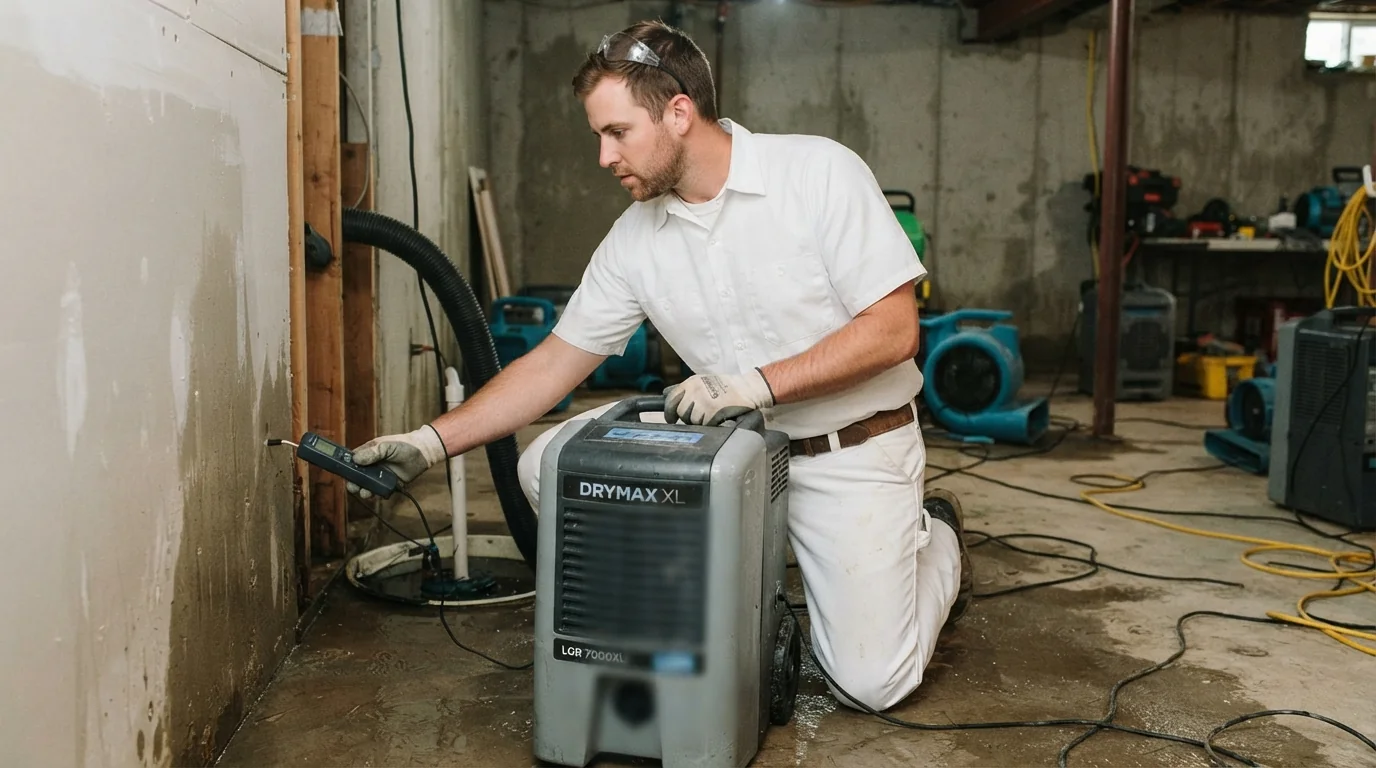
Any equipment used on a Category 2 or 3 water job is fully sanitized before it's used on the next property, following IICRC guidelines. This step exists specifically to prevent cross-contamination between a sewage backup job and, say, a clean supply-line leak at the next address. If you want to go deeper on this, our guide on How Injection Drying Systems Dry Walls Without Demolition covers it well. We also break this down further in Thermal Imaging in Water Damage Restoration: How Infrared Cameras Reveal Hidden Moisture.
Routine Checks That Keep Response Time Fast
Trucks and portable units are checked and restocked after every job — hoses inspected for wear, filters checked, tanks emptied and cleaned — so that the next emergency call doesn't get delayed by equipment that wasn't ready to go. For a related situation, see our post on Wall Drying Techniques: In-Place Drying vs Wall Cavity Removal. For background from an independent source, see the IICRC S500 restoration standard.
What to Ask a Restoration Company About Their Equipment
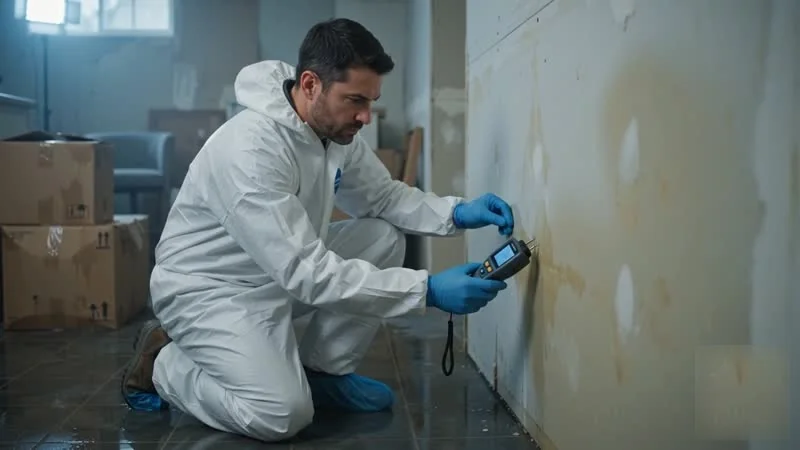
It's reasonable to ask a prospective company how often their extraction equipment is serviced and how they handle sanitization between contaminated and clean water jobs — a company with a clear, specific answer is a good sign of operational discipline. the EPA's moisture control guidance has useful guidance on this if you want to read further. You can also review the Department of Energy's ventilation and humidity guidance for an outside perspective on this.