Extraction: Removing Bulk Water
Extraction is the fast, physical removal of standing and absorbed water using pumps, wet vacuums, and weighted extraction wands. It typically happens within the first hour or two of a job and its goal is simple: get as much liquid water out as mechanically possible before drying equipment takes over. This applies across the Phoenix-area neighborhoods we serve, not just one part of the city. You can learn more about our Phoenix water damage restoration company and how we help Phoenix homeowners recover quickly.
Drying: Removing Residual Moisture
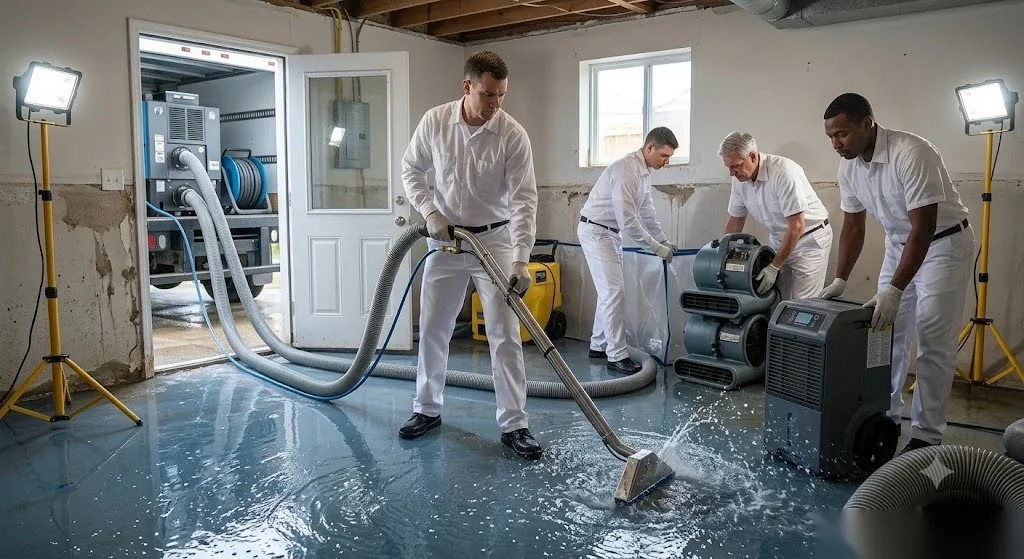
Structural drying addresses what extraction physically can't remove — moisture absorbed into drywall, wood framing, and subflooring. This phase relies on air movers and dehumidifiers working over days, not hours, guided by daily moisture readings rather than visible water. If you want to go deeper on this, our guide on Drying Cabinets After a Kitchen Water Leak Without Replacing Them covers it well. We also break this down further in Wall Drying and Insulation: What Gets Saved, What Gets Replaced.
Why Skipping Straight to Drying Fails
Placing air movers and dehumidifiers in a room with standing water still present is inefficient and can actually push contaminated water further into materials rather than removing it. Extraction has to happen first, completely, or the drying phase is fighting a losing battle against ongoing moisture. For background from an independent source, see the IICRC S500 restoration standard. the EPA's moisture control guidance has useful guidance on this if you want to read further.
How Long Each Phase Typically Takes
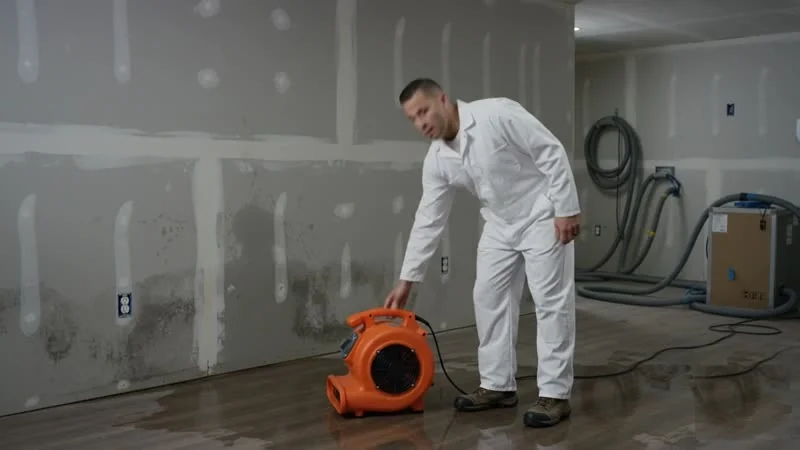
Extraction is usually completed in a single visit lasting one to several hours depending on the volume of water. Drying, by contrast, typically runs three to five days in Phoenix's dry climate, sometimes longer for dense materials like hardwood subflooring or masonry. You can also review the Department of Energy's ventilation and humidity guidance for an outside perspective on this.