Why the First 60 Minutes Decide the Outcome
Standing water begins wicking into drywall, baseboards, and subflooring within minutes of contact. In Phoenix's dry heat, surface water can look deceptively contained while moisture is already migrating beneath tile and into wall cavities. A crew that arrives within 60 minutes can extract before that migration becomes structural, which is the single biggest cost driver in any water extraction job. You can learn more about our Phoenix water damage restoration company and how we help Phoenix homeowners recover quickly. Read more about our team and certifications if you want to know who will be showing up at your door.
What Actually Happens During Dispatch
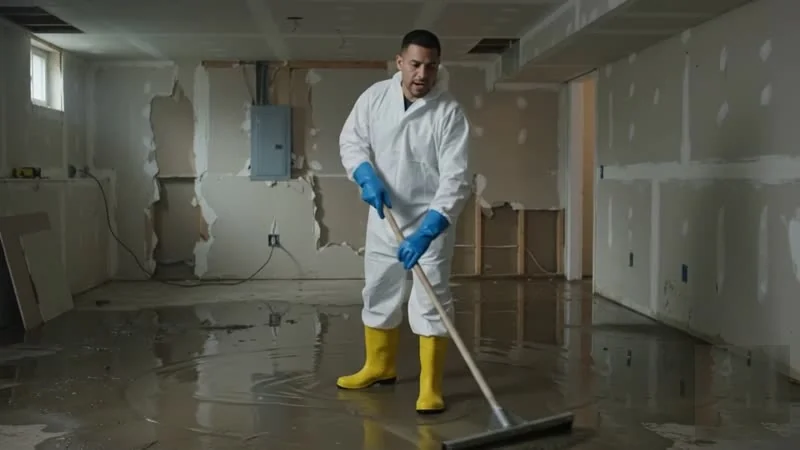
When you call, a live dispatcher — not a call center script — collects your address, the water source, and whether it's still actively flowing. Crews are pre-positioned across the Phoenix metro specifically so that no single 911-style call center choke point slows things down. If the source hasn't been stopped, the dispatcher will walk you through locating your main shut-off while the truck is already en route. If you want to go deeper on this, our guide on Do You Need a Permit for Flood Damage Repair in Phoenix? covers it well. We also break this down further in Flash Flooding in Phoenix: High-Risk Neighborhoods and Response Guide.
Why Some Companies Can't Hit the 60-Minute Mark
Response time depends on crew density, not marketing promises. A company running two trucks across the entire Valley cannot realistically guarantee a 60-minute window in Laveen and Desert Ridge on the same afternoon. Ask any prospective company how many active crews they have on the road right now, not just how many trucks they own. For background from an independent source, see the National Weather Service Phoenix office. FEMA's National Flood Insurance Program has useful guidance on this if you want to read further.
What You Can Do Before the Crew Arrives
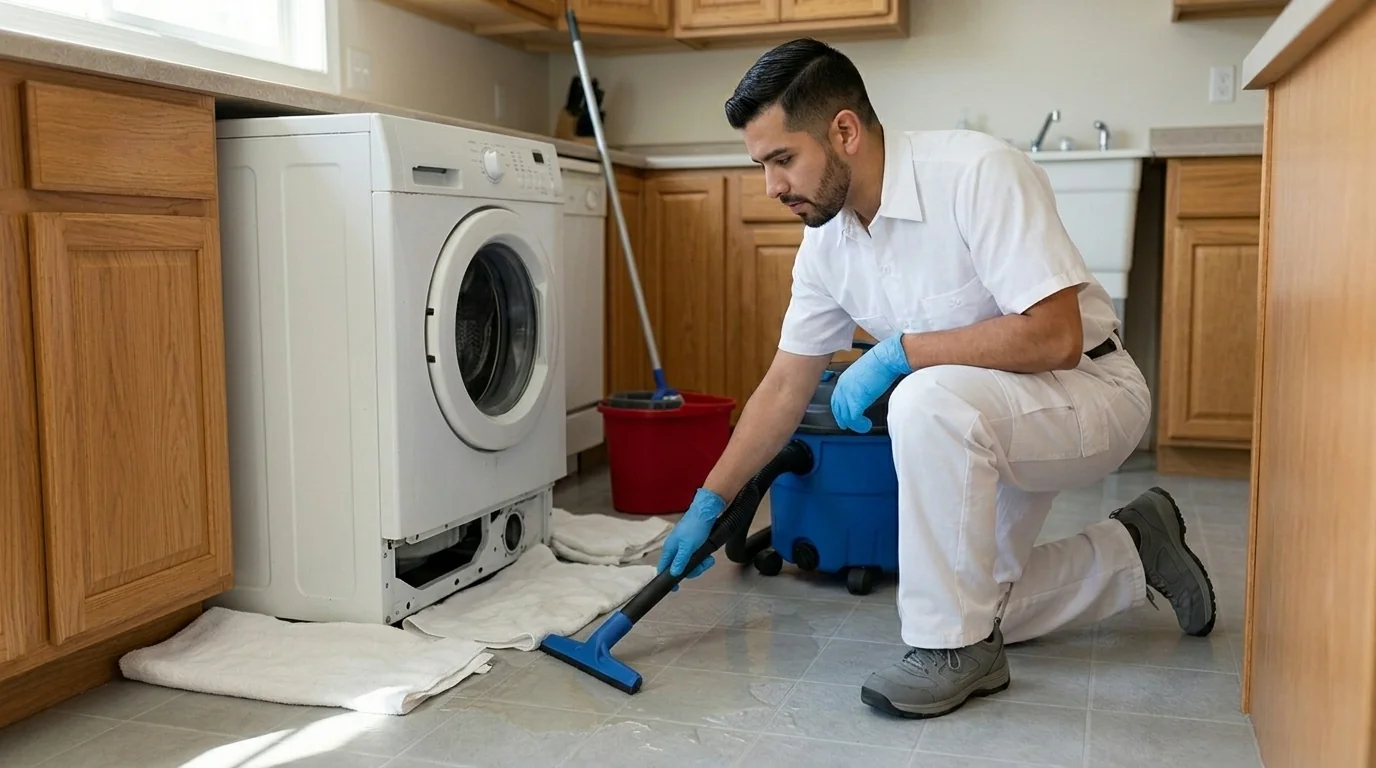
Shut off the water source if it's safe to do so, move furniture legs onto foil or blocks to prevent staining, and take photos of the standing water before anything is touched. Do not use a household shop vac on more than an inch or two of water — it will overheat and won't remove enough volume to matter before the crew arrives. You can also review the Red Cross flood safety guidance for an outside perspective on this.