Moisture mapping is the diagnostic step that shapes every decision made in a structural drying program, from equipment placement to the final clearance readings that confirm the job is complete.
What a Moisture Map Actually Records
A moisture map is a documented set of readings taken at multiple points across every affected material — walls, floors, baseboards, cabinetry — using a moisture meter, recorded against a floor plan or grid reference for the property. It establishes exactly which areas are affected and to what degree, rather than relying on a visual assessment that can miss moisture that hasn't yet caused visible damage. It's worth browsing our full list of restoration services to see which one matches what you're dealing with.
Establishing a Dry Standard
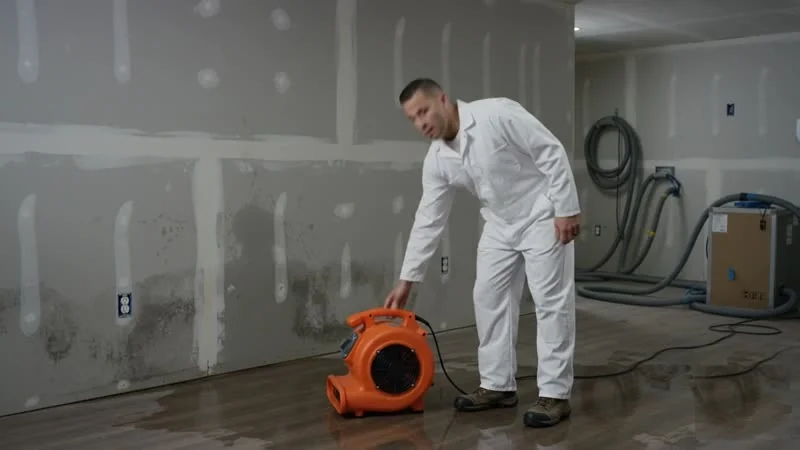
Before targets can be set, technicians establish a dry standard — a baseline moisture reading taken from an unaffected area of the same material type in the same structure. This dry standard becomes the target reference point the entire drying program works toward, since acceptable moisture content varies by material and even by region and building age. If cost is on your mind, how our pricing works breaks down what typically drives the number up or down.
How Moisture Maps Guide Equipment Placement
The initial moisture map directly informs where air movers and dehumidifiers get placed, since equipment calculations are based on the extent of affected material identified during mapping, not a general estimate of the room's size. Areas showing higher moisture content typically receive more concentrated airflow. For background from an independent source, see the IICRC S500 restoration standard.
Daily Re-Mapping During the Drying Program
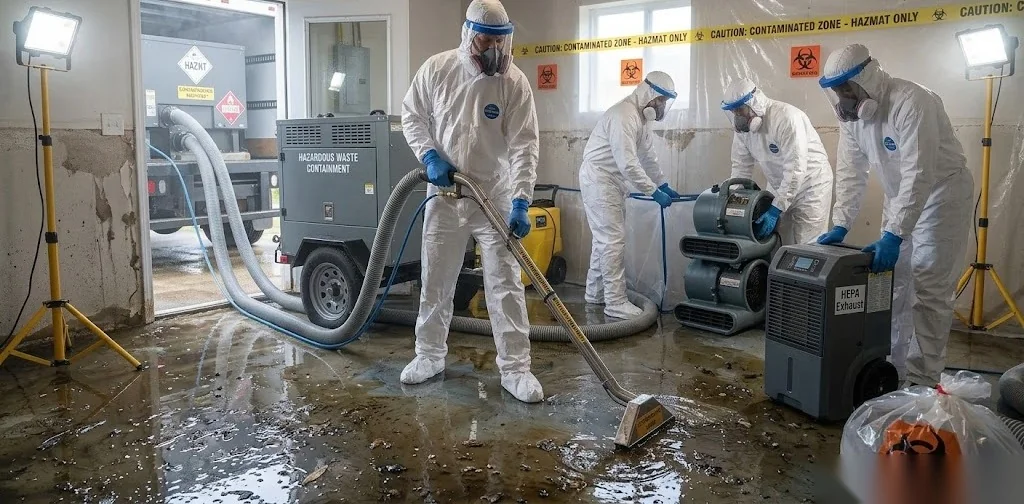
The same points documented in the initial moisture map are re-measured daily throughout the drying program, creating a trend line that shows whether each area is drying at the expected rate. A point that isn't trending toward the dry standard as expected signals a problem — inadequate airflow, hidden moisture behind a wall, or a material that's slower to release water than anticipated — that needs to be addressed before the drying program can be considered complete. the EPA's moisture control guidance has useful guidance on this if you want to read further.
Why You Should Ask to See the Moisture Map
The moisture map and its daily updates are among the most useful documents you can request from your restoration company, both to understand the true extent of the damage and to verify that the final clearance readings actually correspond to every point that was initially affected, not just a convenient sample. You can also review the Department of Energy's ventilation and humidity guidance for an outside perspective on this.