Why Commercial Extraction Moves Differently
In a retail or restaurant setting, every hour closed is measurable lost revenue, so extraction crews often work in phases — clearing customer-facing areas first so a business can reopen partially while extraction and drying continue in stockrooms or back-of-house areas. Read more about our team and certifications if you want to know who will be showing up at your door. If a situation like this is happening right now, you can request emergency service and we'll get moving.
Protecting Inventory and Equipment
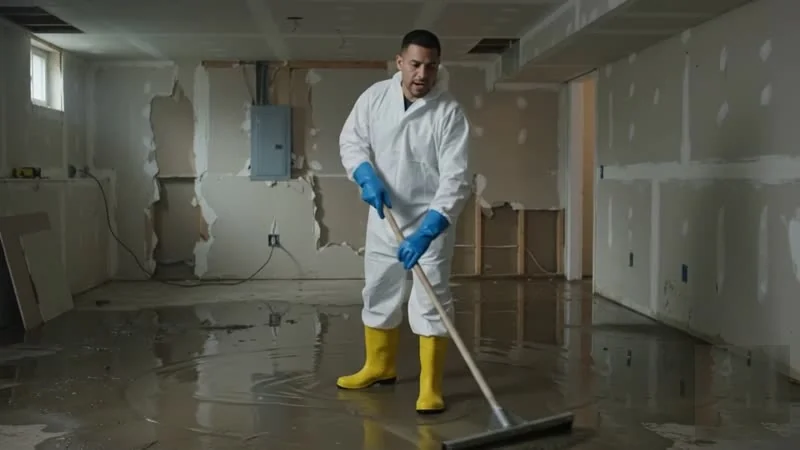
Commercial extraction frequently involves working around inventory, POS systems, and kitchen equipment rather than empty rooms. Crews coordinate with management to relocate salvageable stock before extraction begins in earnest, since standing water can quickly ruin packaging and product. If you want to go deeper on this, our guide on Commercial Water Extraction: What Property Managers Should Expect covers it well.
Kitchen-Specific Extraction Challenges
Commercial kitchens have floor drains, grease traps, and equipment bases that complicate extraction — water can pool under coolers and cooking lines where it's not immediately visible. Restaurant water damage often requires moving or tilting equipment to fully access affected flooring. For background from an independent source, see OSHA's workplace safety guidance. the IICRC S500 restoration standard has useful guidance on this if you want to read further.
Documentation for Business Interruption Claims
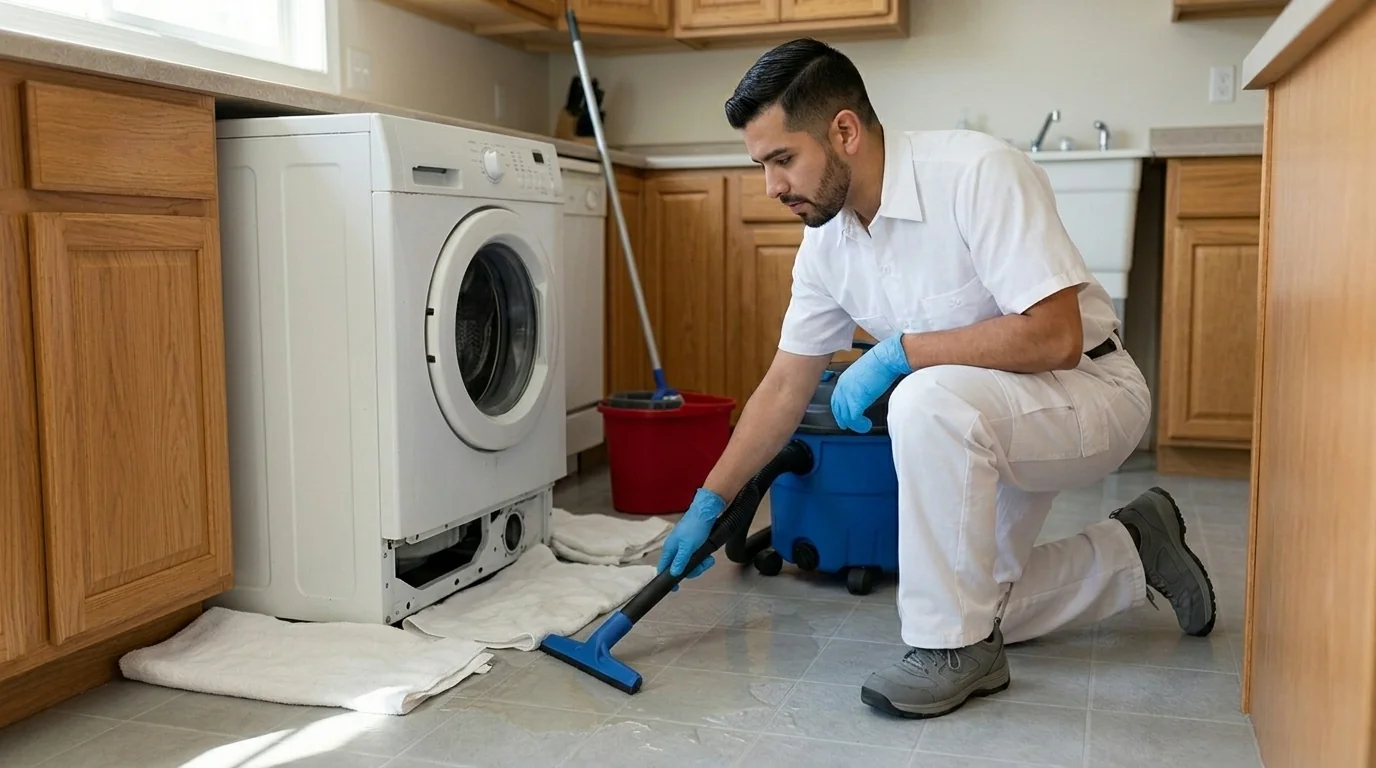
Beyond standard damage photos, commercial extraction jobs include a log of which areas were unusable and for how long — this operational documentation is what supports a business interruption claim on top of the property damage claim itself. You can also review the Insurance Information Institute's business claims overview for an outside perspective on this.