Few things are more frustrating for a Phoenix homeowner than a roof leak that seems to return to the exact same spot every time it rains, despite previous repair attempts. This pattern is common, and it almost always points to one specific issue: the actual source of the leak was never correctly identified or fully addressed in the previous repair. It's worth browsing our full list of restoration services to see which one matches what you're dealing with.
The Interior Stain Location Is Not the Roof Failure Location
This is the single most common reason recurring leaks persist despite repair attempts. Water entering the roof assembly travels along the underside of the roof deck, along framing members, or through insulation before dripping through the ceiling — meaning the visible interior stain can be located several feet, or in some cases many feet, away from the actual point of roof failure. A previous repair that patched the roof directly above the interior stain, rather than at the actual entry point, will not stop the leak. If cost is on your mind, how our pricing works breaks down what typically drives the number up or down.
Partial Repairs and Sealant-Only Fixes
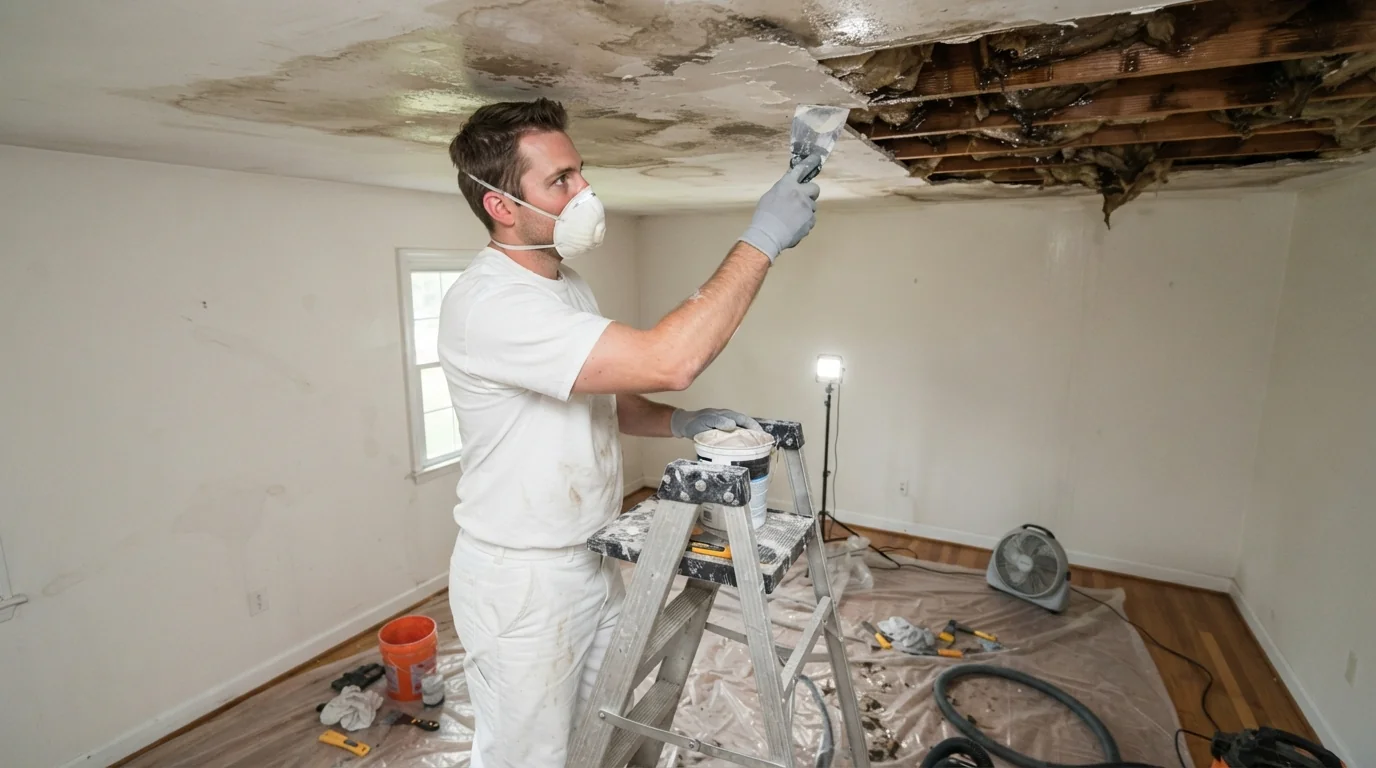
A common shortcut in roof repair is applying sealant or roof cement over a visibly cracked area without addressing the underlying cause of that crack — whether that's a failed flashing detail, an improperly seated fastener, or membrane fatigue from age. Sealant-only repairs often hold for one or two rain events before failing again, particularly given Phoenix's intense UV exposure, which degrades exposed sealant far faster than in milder climates. If you want to go deeper on this, our guide on Ceiling Water Damage in Phoenix: When to Call a Professional Immediately covers it well.
Multiple Failure Points Being Treated as One
Older Phoenix roofs, particularly those approaching or past their expected service life, sometimes have more than one failure point active simultaneously. If a repair addresses only the first identified defect, a second undiscovered defect continues to leak in what appears to be "the same spot" simply because the interior damage pattern looks similar. For background from an independent source, see the EPA's guidance on moisture and mold.
How Accurate Source Identification Actually Works
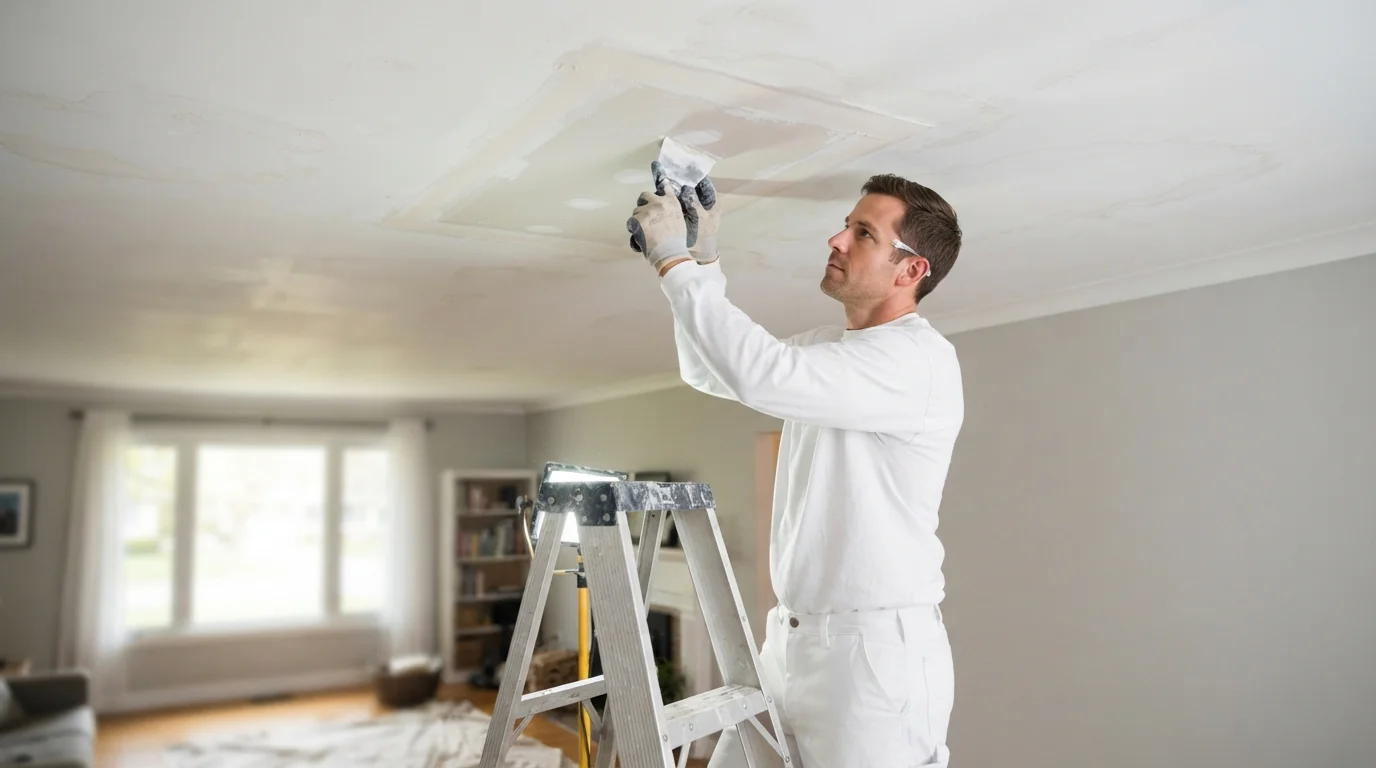
Thermal imaging cameras used from the interior can trace the moisture pathway back toward its likely origin point on the roof deck, giving a roofing contractor a specific target area to inspect rather than searching the entire roof surface. A qualified roofing contractor then performs a detailed inspection of that specific area — checking flashing, fasteners, membrane condition, and drainage — to identify the actual mechanism of failure before any repair is made. the IICRC S500 restoration standard has useful guidance on this if you want to read further.
Breaking the Cycle
If a leak has recurred more than once despite repair attempts, it's worth requesting a written scope from the roofing contractor documenting the specific identified cause and repair method, rather than a general description like "resealed the area." This documentation also proves valuable for insurance purposes if the recurring damage becomes the subject of a claim dispute. You can also review the Insurance Information Institute's claims overview for an outside perspective on this.