One of the most expensive and disruptive aspects of water damage restoration is that some of the most significant damage is completely invisible until it has been developing for weeks or months. Inside walls, under floors, above ceilings, and beneath cabinetry, water can migrate and accumulate without producing any surface sign until the damage is advanced.
Staining and Discoloration on Walls and Ceilings
Yellowish-brown staining on drywall or ceiling surfaces is the most visible indicator of water intrusion above or behind that surface. If a situation like this is happening right now, you can request emergency service and we'll get moving.
Bubbling or peeling paint is a secondary sign that typically follows staining.
Discoloration on hardwood floors — whether cupping (edges higher than center), crowning (center higher than edges), or buckling (planks lifting from the sub-floor) — indicates water intrusion from above or below. the IICRC S500 standard sets the procedural benchmark restoration companies are expected to follow.
Musty or Earthy Odors in Specific Areas
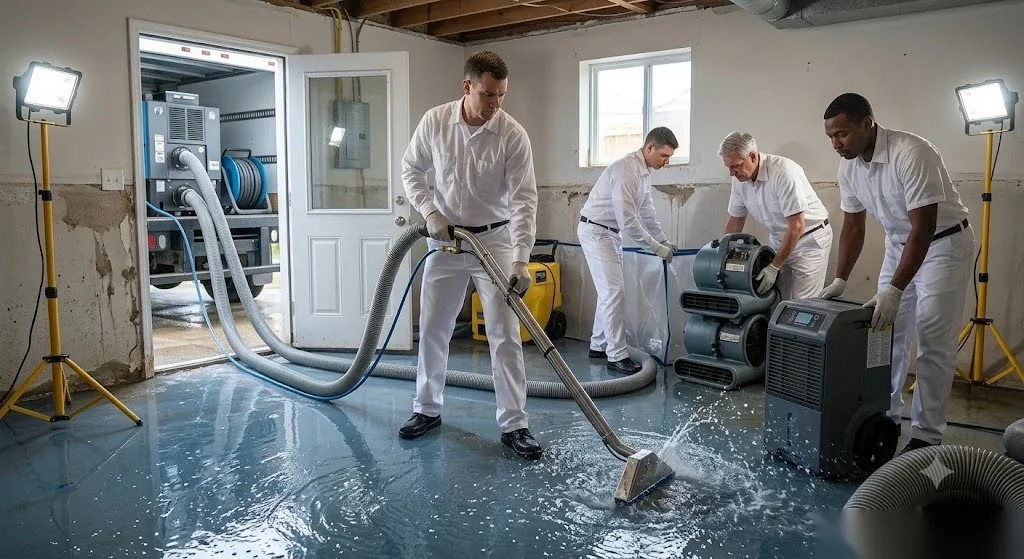
A persistent musty or earthy odor in a specific room or area of a Phoenix property is one of the most reliable indicators of mold or mildew growth resulting from hidden moisture.
The challenge with MVOC odors in Phoenix is that the desert climate's naturally low humidity means indoor air is typically very dry, which partially masks mild odors.
HVAC systems can distribute moisture-related odors throughout a property, making it difficult to localize the source.
Changes in Water Bills and Low Pressure
An unexplained increase in your Phoenix water utility bill is a reliable indirect indicator of a water supply line leak somewhere in your plumbing system. the EPA provides background on how moisture control prevents mold growth in buildings. It's worth browsing our full list of restoration services to see which one matches what you're dealing with.
To distinguish between a general usage increase and a specific leak, read your water meter at the start and end of a two-hour period during which no water is used in the home.
Sudden drops in water pressure at specific fixtures, combined with a water bill increase, can indicate a supply line leak within a wall cavity — the leak is occurring between the main line and the fixture, reducing delivery pressure while increasing water loss.
Soft, Spongy, or Warped Surfaces
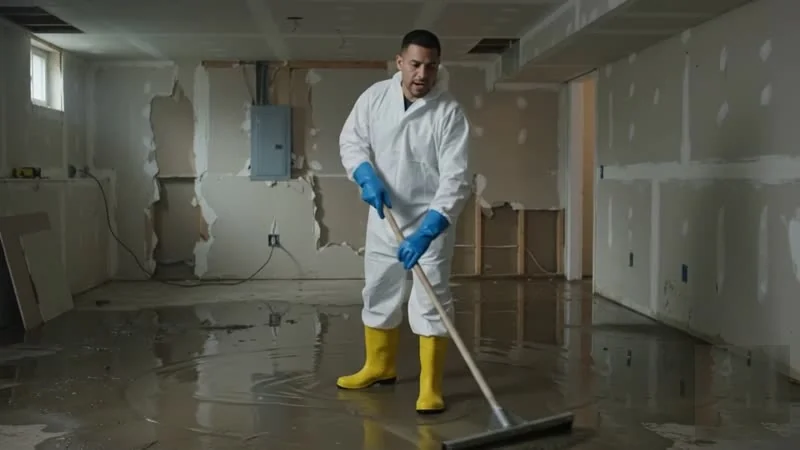
Soft or spongy areas in drywall when pressed firmly indicate that water has been present long enough to compromise the gypsum core — drywall that flexes under hand pressure has lost structural integrity and likely harbors mold within the cavity behind it. FEMA's National Flood Insurance Program explains how the National Flood Insurance Program covers flood losses.
Soft spots in flooring — particularly in areas where carpet is laid over a wood sub-floor — indicate sub-floor moisture damage that may not be visible from the surface.
Cabinet bottoms that feel soft, flex when pressed, or show water staining on the interior surface indicate water intrusion from the plumbing connections above.