One of the most common misconceptions homeowners bring to water damage restoration is that structural drying is a straightforward process of running fans and opening windows until things dry out.
The Psychrometric Foundation of Professional Drying
Psychrometrics is the study of the thermodynamic properties of moist air — specifically the relationships between temperature, relative humidity, and the amount of water vapor air can hold.
The ratio of air movement to dehumidification capacity is calculated based on the cubic footage of the drying chamber and the specific materials being dried.
Drying documentation is built on daily psychrometric readings: temperature, relative humidity, and specific humidity (the actual weight of moisture in the air) are measured in the drying chamber each day and compared to a baseline established at the start of the drying program. the IICRC S500 standard sets the procedural benchmark restoration companies are expected to follow.
How Target Moisture Levels Are Determined
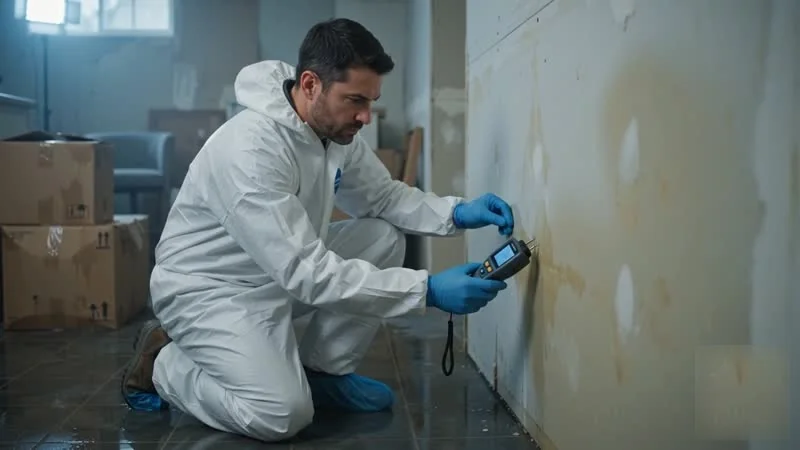
The target moisture content for each material in the drying program is based on the pre-loss reference moisture content for that material — the moisture level the material was at before the water event.
These targets are not arbitrary — they represent the moisture content at which the material is in equilibrium with typical indoor air conditions and at which mold growth is not supported.
Phoenix's naturally low ambient humidity is actually an advantage in structural drying — the dry outdoor air, when managed correctly within the drying chamber, reduces the load on dehumidifiers and can accelerate evaporation from wet materials.
Daily Monitoring and Adjustments
The value of daily moisture monitoring is not simply tracking progress — it is enabling real-time adjustments to the drying program when materials are not responding as expected. the EPA provides background on how moisture control prevents mold growth in buildings.
Wall cavity drying is one of the most technically challenging aspects of structural drying for residential properties.
Equipment removal is one of the most critical decisions in the structural drying process and one of the most common points of failure for companies cutting corners.
What Happens When Drying Isn't Done Correctly
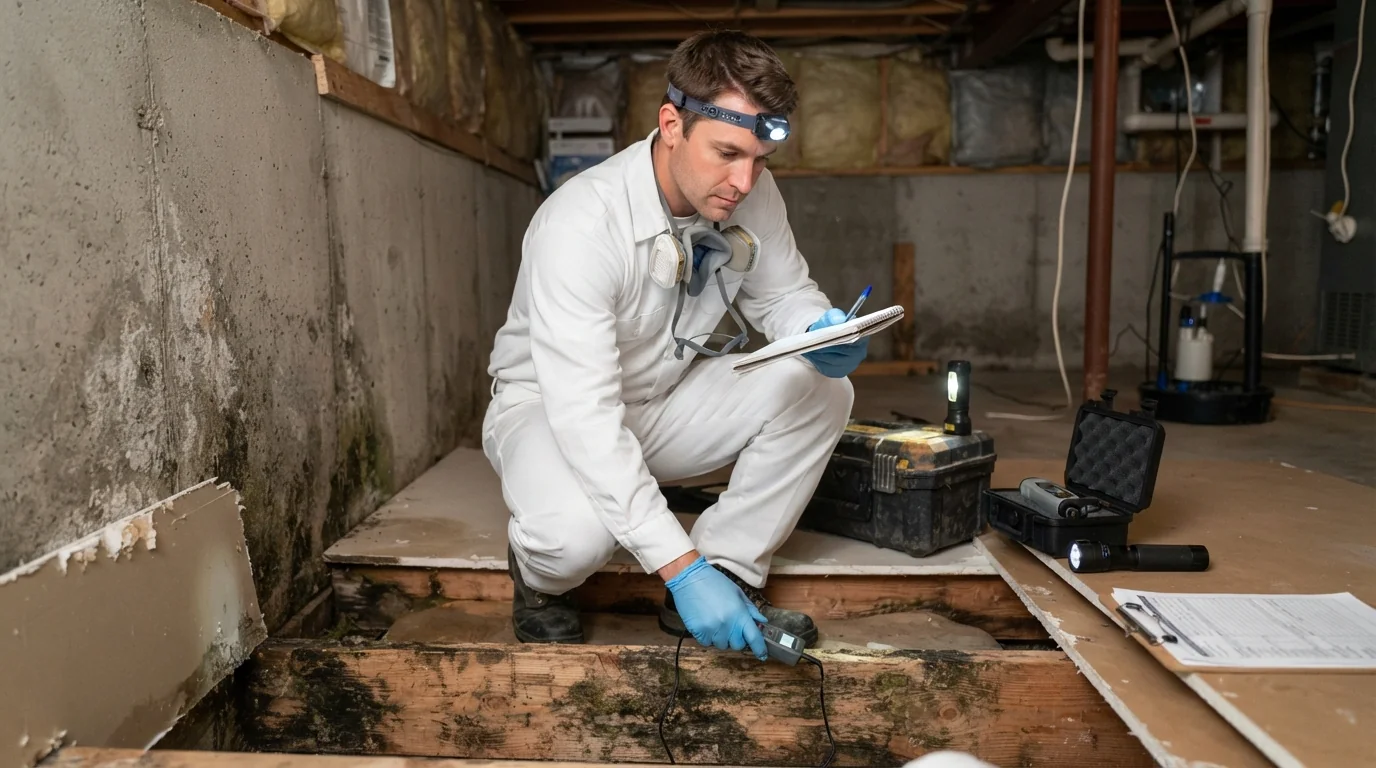
Incomplete structural drying is one of the most consequential errors in water damage restoration, because the consequences are delayed and not immediately apparent. FEMA's National Flood Insurance Program explains how the National Flood Insurance Program covers flood losses.
Incomplete drying also causes ongoing structural deterioration.
Protecting yourself from incomplete drying requires two actions: first, request and review the daily drying logs before authorizing equipment removal; second, insist on a written moisture clearance document that specifies the final readings at each measurement point and confirms they meet the target levels established at the start of the drying program.