Restoration Handles Mitigation, Not Rebuilding
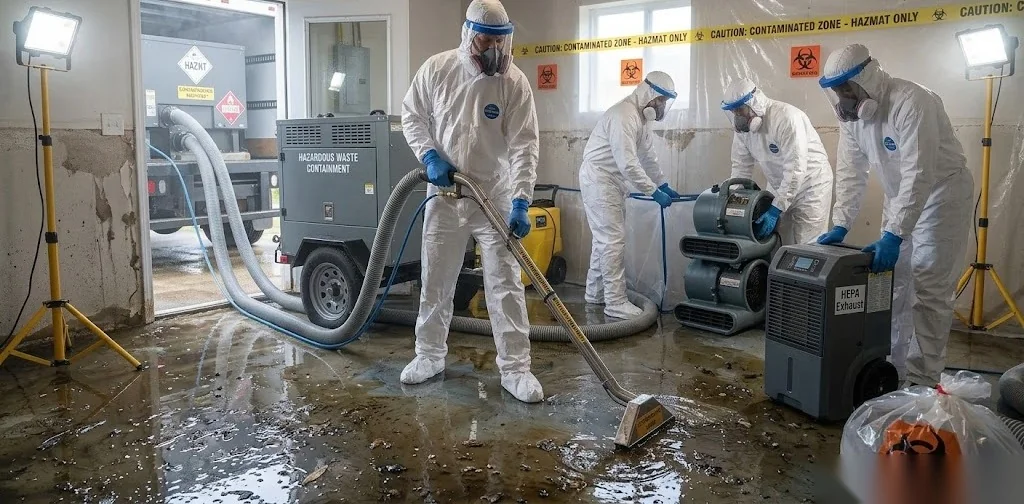
A water damage restoration contractor specializes in the mitigation phase: extraction, drying, antimicrobial treatment, and stabilizing the structure so it stops losing value. This is time-sensitive work focused on stopping further damage, not on rebuilding finishes. It's worth browsing our full list of restoration services to see which one matches what you're dealing with. If cost is on your mind, how our pricing works breaks down what typically drives the number up or down.
General Contractors Handle Reconstruction
Once drying is complete and confirmed with moisture readings, rebuilding drywall, flooring, cabinetry, or paint is typically general contractor work. Some restoration companies offer both mitigation and reconstruction under one roof, which can simplify the process, while others hand off to a separate contractor once drying finishes. If you want to go deeper on this, our guide on Affordable Water Damage Restoration in Phoenix: What "Affordable" Should Actually Mean covers it well. We also break this down further in Emergency Water Shut-Off Guide for Phoenix Homeowners.
Why the Order Matters
Starting reconstruction before drying is fully verified is one of the most common and costly mistakes after a water loss, since trapped moisture behind new drywall can lead to hidden mold. A reputable restoration company will insist on final moisture verification before signing off, even if it delays the rebuild by a few days. For background from an independent source, see the IICRC S500 restoration standard. the Insurance Information Institute's claims overview has useful guidance on this if you want to read further.
Coordinating Two Companies Without Losing Time
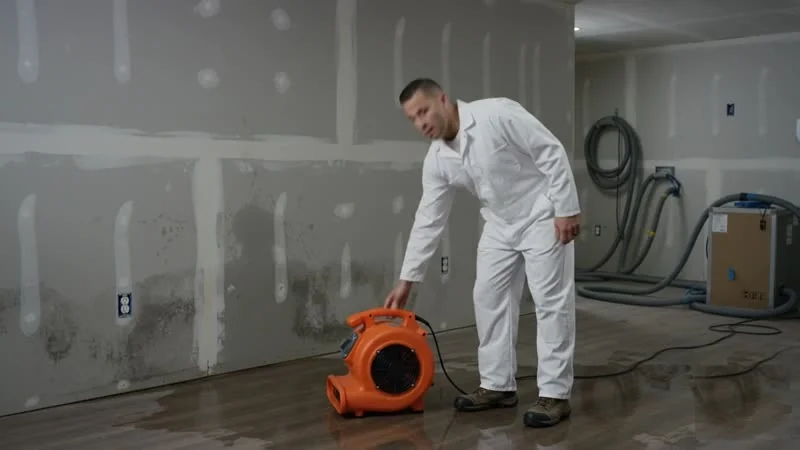
If you're using separate companies for mitigation and reconstruction, ask the restoration company to provide a written completion report with final moisture readings, this becomes the general contractor's green light to begin, and it protects you if a dispute arises later about whether the space was truly ready to rebuild. You can also review FEMA's National Flood Insurance Program for an outside perspective on this.