Call the Restoration Company First for Active Damage
If water is actively causing damage, call a restoration company immediately rather than waiting for insurance approval — most policies require you to mitigate further damage promptly, and delaying extraction to wait on a claim number can actually work against you. You can notify your insurer while the crew is already en route or on-site. If cost is on your mind, how our pricing works breaks down what typically drives the number up or down. We've answered a lot of related questions on answers to common questions.
Document Before Cleanup Starts
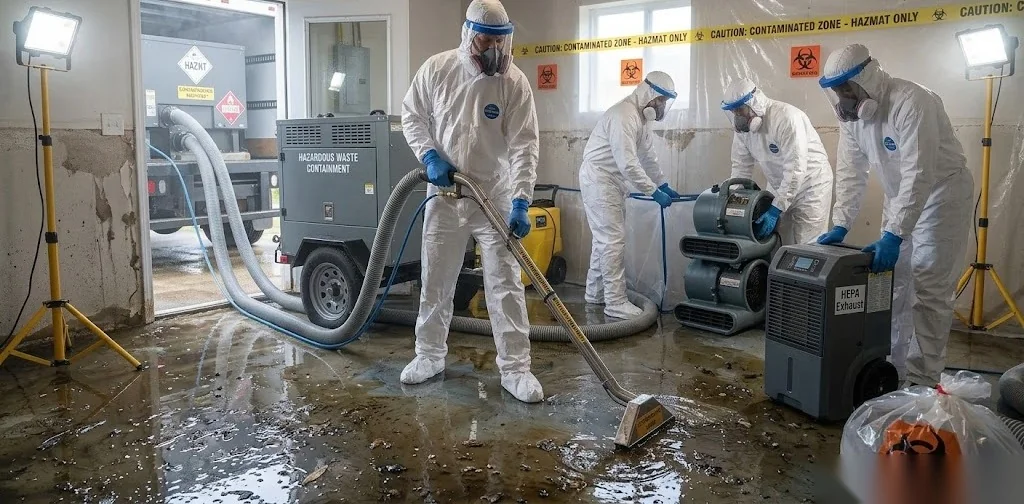
Before any extraction or demolition begins, take thorough photos and video of the damage. This becomes the foundation of your claim, and it's far harder to document convincingly after materials have already been removed. If you want to go deeper on this, our guide on How a Leak Detection Report Helps Your Insurance Claim covers it well.
Understanding the Adjuster's Role
Your insurance adjuster will typically review the restoration company's estimate against their own assessment or standard pricing software. Reputable restoration companies are used to this back-and-forth and can usually work directly with the adjuster to resolve pricing differences without you playing messenger. For background from an independent source, see the Insurance Information Institute's overview of water damage claims. the Arizona Department of Insurance and Financial Institutions has useful guidance on this if you want to read further.
What to Ask an Adjuster Before You Sign Anything
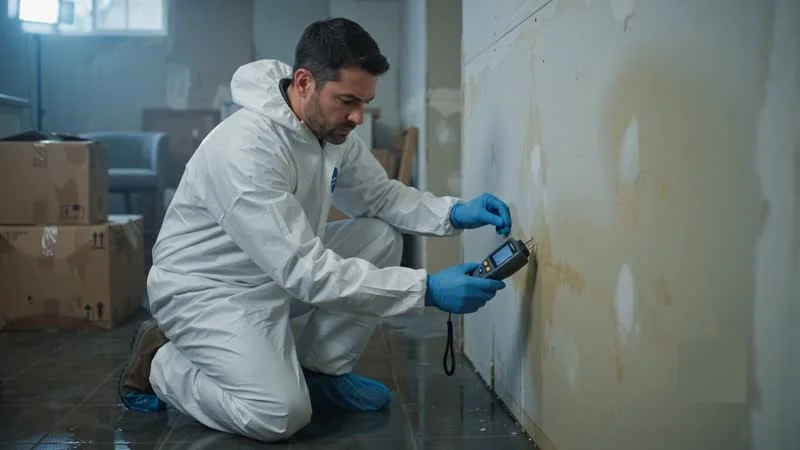
Before agreeing to a settlement, ask specific questions about what the adjuster's estimate includes versus what your restoration company has scoped, since gaps between the two are the most common source of disputes after a water damage claim. You can also review FEMA's National Flood Insurance Program for an outside perspective on this.