Air scrubbers run quietly in the background during water damage restoration, often overshadowed by the louder extraction and drying equipment — but they are equally critical in contamination events, mold remediation, and any situation where airborne particles pose a health risk or could spread contamination beyond the work area. In Phoenix properties dealing with sewage backup, mold, or Category 2 and 3 water events, HEPA air scrubbers are not optional.
How Air Scrubbers Work
An air scrubber draws air from the surrounding space, passes it through a series of filters, and returns cleaned air to the space or exhausts it outside. The critical stage is the HEPA filter — High Efficiency Particulate Air — which captures 99.97% of particles 0.3 microns and larger. We've answered a lot of related questions on answers to common questions.
Air scrubbers are sized by cubic feet per minute (CFM) airflow capacity. Restoration-grade units move 500-2,000 CFM and achieve the minimum 4 air changes per hour (ACH) required for mold remediation applications.
In contaminated remediation zones, air scrubbers are operated in negative pressure mode: exhausting filtered air to the outside rather than returning it to the work space. This creates a slight negative pressure inside the containment zone, causing clean air from adjacent areas to flow in rather than contaminated air to flow out. EPA mold cleanup guidance outlines the recommended steps for safely cleaning up mold in a home.
When Are Air Scrubbers Required
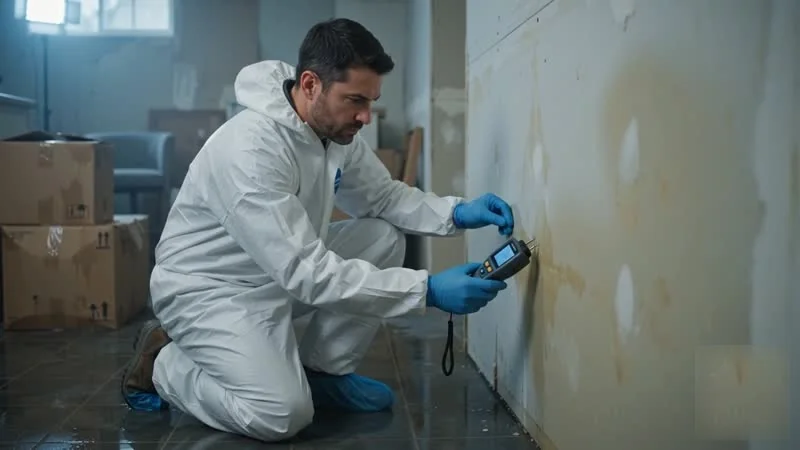
Air scrubbers are standard equipment in any restoration involving Category 2 or Category 3 water. Disturbance of contaminated materials during extraction and demolition generates airborne particles that spread contamination without air filtration.
Mold remediation is the second major application. Any disturbance of mold-affected materials — drywall removal, insulation removal, demolition of any kind — releases spores at concentrations far above background levels.
Phoenix's desert environment creates a dust management application less common in other regions. Desert dust in attic spaces and wall cavities contains fine particulates including silica and biological material.
Negative Pressure Containment
The negative pressure differential for effective containment is typically 0.02-0.05 inches of water column — small enough not to create uncomfortable drafts but sufficient to ensure consistent inward airflow at all containment barrier openings. Technicians verify this with a manometer and document the reading as part of the remediation record. the CDC explains the health effects associated with mold exposure.
Air scrubber exhaust must terminate outside the building — not into other building areas, not into return air plenums, and not into spaces shared with building occupants. In Phoenix commercial buildings, exhaust termination requires coordination with building management to avoid conflict with fresh air intake locations or adjacent tenant spaces.
Post-remediation, air scrubbers should continue running during clearance sampling and not be removed before clearance is confirmed. Some companies pull equipment immediately after demolition and drying are complete, before clearance testing — this is premature and may result in failing clearance tests if residual spores settle back onto surfaces after scrubbers stop.
Air Quality Verification After Restoration
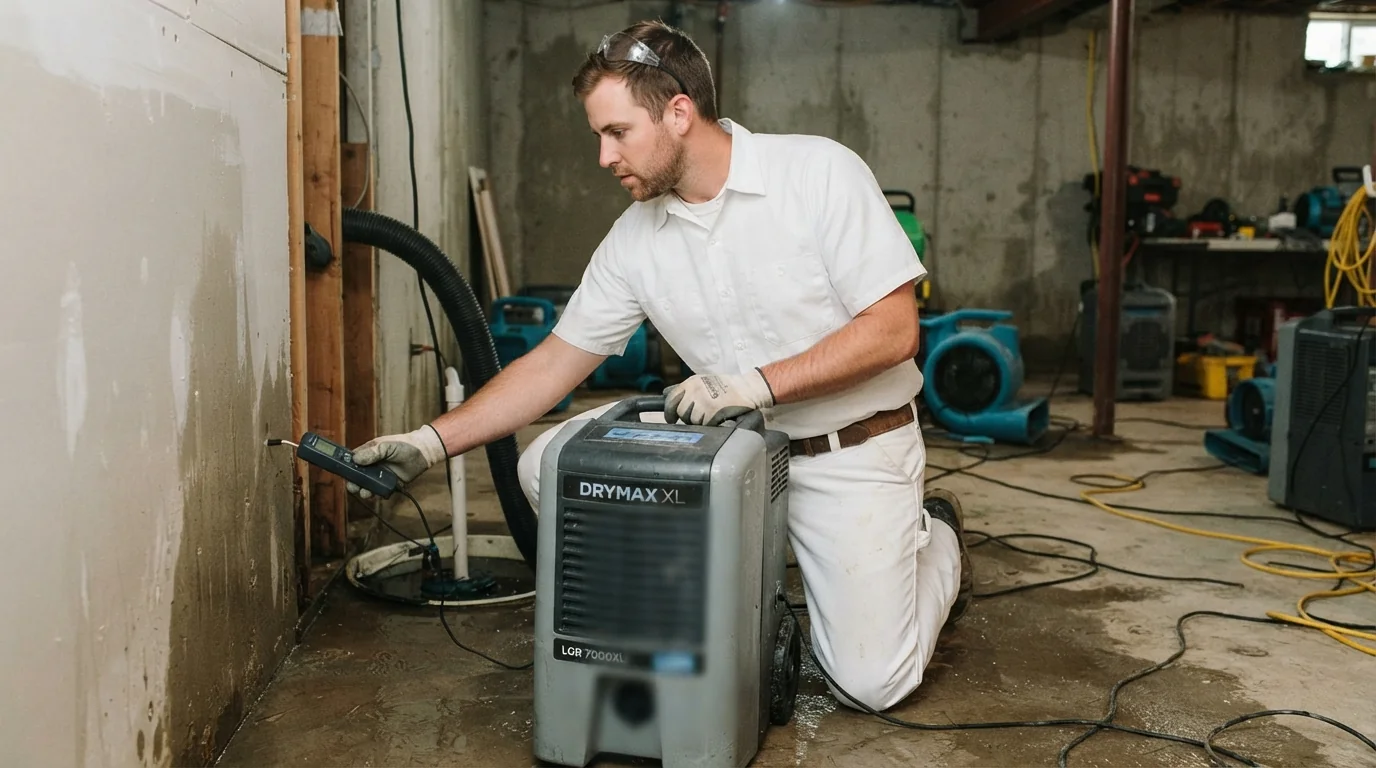
Post-remediation air quality testing by an independent industrial hygienist is the standard of care for confirming effective mold remediation. This testing collects air samples inside the remediated area and compares spore species and counts to outdoor reference samples taken simultaneously. the IICRC S500 standard sets the procedural benchmark restoration companies are expected to follow.
For non-mold contamination events — sewage backup, chemical contamination, biohazard situations — post-remediation clearance may involve ATP surface testing, environmental swabs, or other site-specific testing depending on the contamination type. Your restoration company should advise on the appropriate clearance protocol for the specific contamination involved in your Phoenix property event.
When reviewing restoration documentation, confirm that air scrubber deployment is documented with: unit quantity and CFM capacity, placement in the work area, negative pressure confirmation readings, filter change records for extended projects, and duration of operation through clearance confirmation. This documentation verifies that air quality management was properly maintained throughout the remediation process.