The majority of Phoenix home water damage events do not come from dramatic pipe bursts or monsoon floods — they come from the appliances that run quietly every day: the refrigerator whose ice maker line has been slowly corroding for seven years, the dishwasher whose door gasket started softening six months ago, the washing machine supply hose that has been technically past its service life for three years. Appliance water damage accounts for 20-30% of all residential water damage claims nationwide, and Phoenix's year-round appliance use — air conditioning for 10 months, water heaters working continuously — increases exposure compared to seasonal markets.
Refrigerator Ice Maker Supply Lines
Refrigerator ice maker supply lines — typically quarter-inch flexible tubing — are the single highest-frequency appliance water damage source in Phoenix homes. They run at full household water pressure (60-80 PSI) at all times, are almost never inspected, and fail suddenly without visible warning. You can learn more about our Phoenix water damage restoration company and how we help Phoenix homeowners recover quickly.
Phoenix's thermal cycling accelerates supply line aging dramatically. A line behind a refrigerator in a Phoenix kitchen experiences temperatures from 55°F on cold winter nights to 115°F during summer days.
Prevention: replace plastic ice maker supply lines every 5 years and braided stainless steel lines every 8-10 years proactively. Pull the refrigerator out annually to inspect the line along its full length for cracking, stiffness, or mineral buildup at connections. the IICRC S500 standard sets the procedural benchmark restoration companies are expected to follow.
Dishwasher and Washing Machine Failures
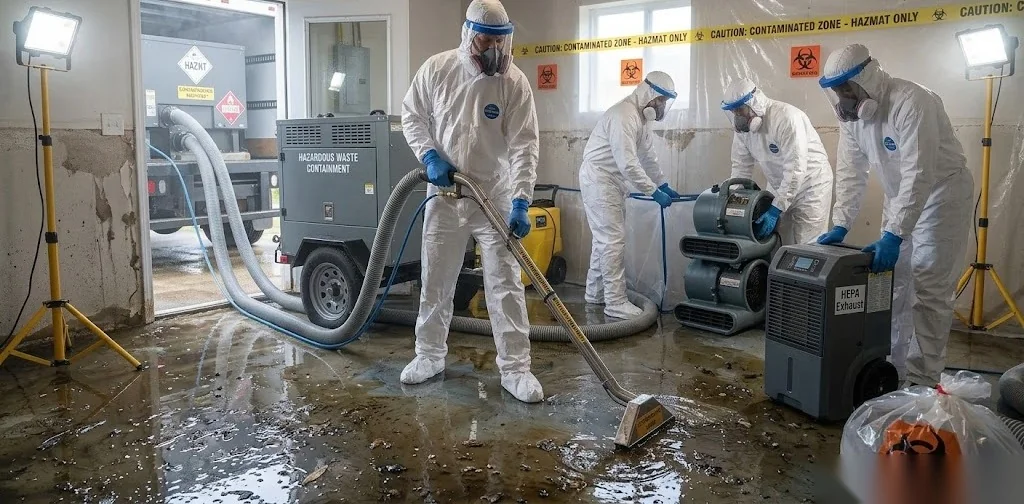
Dishwasher failures create Category 2 water damage (contaminated with food particles, bacteria, and detergent) from three primary failure points: the door gasket seeping during wash cycles, the drain hose disconnecting and discharging drain water beneath the unit, and the water inlet supply line at the rear of the unit. Door gasket failures are often discovered early because the leak appears at the front of the unit during cycles.
Washing machine supply hose failures are consistently cited as one of the highest-consequence residential water damage sources. Standard rubber washing machine hoses have a 5-8 year rated service life; Phoenix's heat environment makes the shorter end of this range realistic. Read more about our team and certifications if you want to know who will be showing up at your door.
Both dishwasher and washing machine failures can be substantially prevented through annual inspection. For dishwashers: run through a full cycle and inspect beneath the unit for moisture, run the cycle while watching for door gasket seeping, and every 2-3 years pull the unit out to inspect the supply line and drain hose.
Water Heater and HVAC Drainage Failures
Water heater failures in Phoenix are primarily corrosion-driven. Phoenix's mineral-rich water accelerates the depletion of the sacrificial anode rod that protects the tank from internal corrosion. the EPA provides background on how moisture control prevents mold growth in buildings.
The temperature and pressure relief valve (T&P valve) should be tested annually by briefly lifting the lever. If the valve does not reseat properly after testing — a common finding in older Phoenix water heaters — replace it before the next heating cycle.
HVAC condensate systems in Phoenix are effectively appliances managing significant water volume. At Phoenix's cooling season length and intensity, a residential air handler produces 10-20 gallons of condensate daily during monsoon season. If you want to go deeper on this, our guide on Kitchen Water Damage Repair: Cabinet Assessment and Restoration covers it well.
Insurance Coverage and Response
Sudden appliance failures that cause water damage are covered by most standard Arizona homeowners policies as sudden and accidental water damage. The key documentation requirement is evidence that the failure was sudden rather than gradual. FEMA's National Flood Insurance Program explains how the National Flood Insurance Program covers flood losses.
Gradual leaks — a dishwasher door gasket that has been seeping for months, a supply hose with a slow pinhole leak — may be excluded as maintenance failures if evidence suggests the condition existed for an extended period before causing the claimed damage. Quarterly inspection under sinks, behind appliances, and in utility areas serves the dual purpose of catching slow leaks early and establishing a maintenance record that supports your position in any coverage dispute.
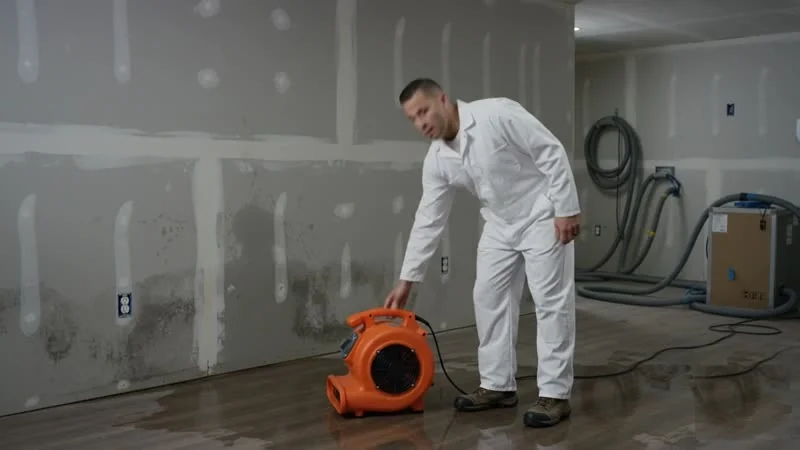
Response protocol when an appliance failure is discovered: stop the source by shutting off the appliance supply valve or the main water supply, document with photos and video before any cleanup begins, call your restoration company for same-day response, and notify your insurance carrier. Do not throw away the failed appliance component and do not begin demolition before the adjuster has the opportunity to see the original conditions.