A monsoon-season roof leak often sends water into the attic long before it's visible on the ceiling below, which means attic-specific drying is a common but often overlooked part of structural drying in Phoenix.
Why Attic Access Complicates Drying
Attics are often accessed only through a small hatch or scuttle, which limits how much equipment can physically fit and how effectively technicians can move around to place air movers and assess damage. In extreme cases, temporary decking or plywood walkways may need to be installed just to safely access the affected area. It's worth browsing our full list of restoration services to see which one matches what you're dealing with.
Roof Decking: The First Layer of Concern
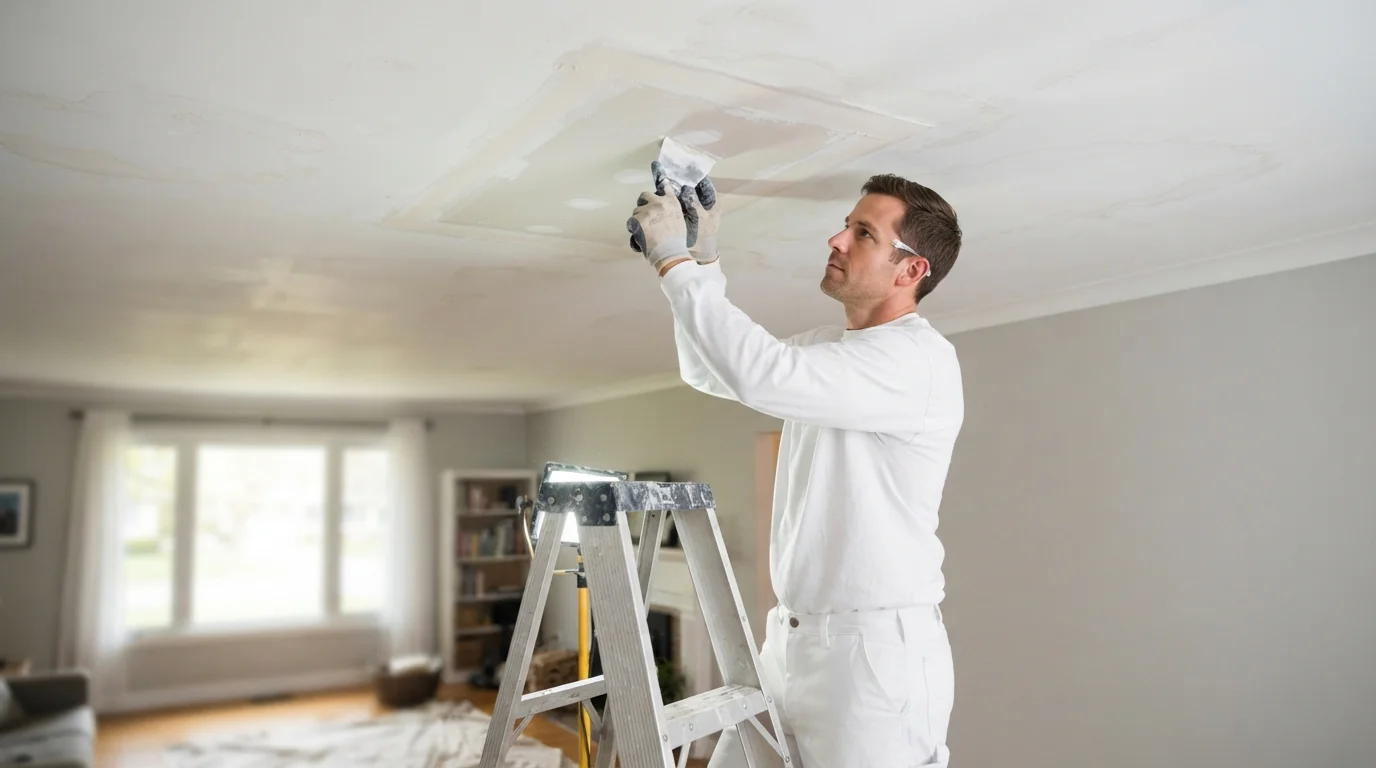
Roof decking — typically OSB or plywood installed directly beneath roofing material — absorbs water directly at the leak point and can delaminate or sag if saturation continues. Because decking sits at the top of the structure and often isn't visible without entering the attic directly, it's frequently the most under-assessed component in a roof leak claim. For background from an independent source, see the EPA's guidance on moisture and mold.
Rafters and Trusses: Structural Wood Framing
Rafters and roof trusses are structural wood members, and while they're generally more resistant to short-term moisture exposure than decking, extended saturation can affect their strength over time and create conditions for wood rot at connection points. Technicians assess these framing members using moisture meters similar to the approach used for wall cavity framing. the IICRC S500 restoration standard has useful guidance on this if you want to read further.
Attic Insulation and the Ceiling Below
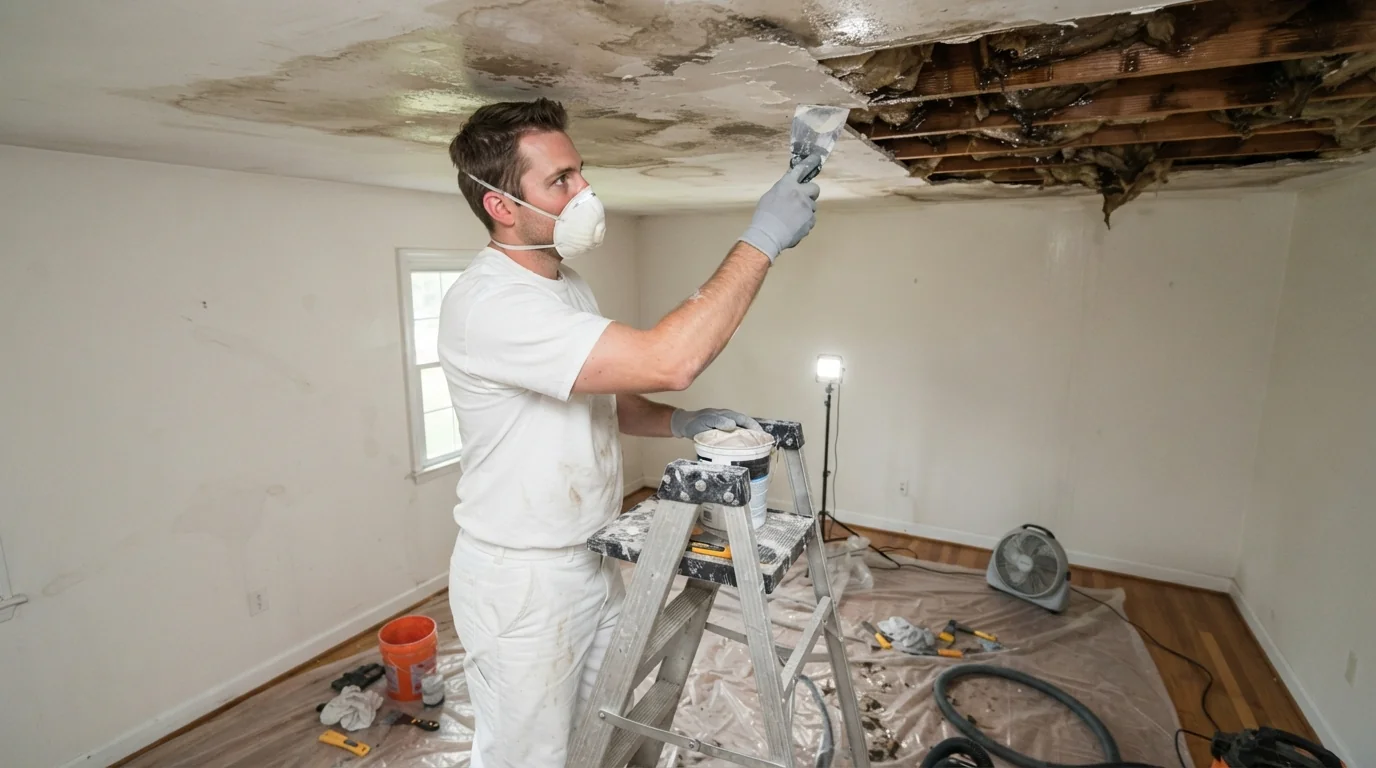
Wet attic insulation — commonly blown-in cellulose or fiberglass batts — often needs removal rather than drying, following the same logic covered in our insulation drying guide. This matters for the ceiling below as well, since saturated insulation resting directly on drywall can prolong ceiling drying and increase the risk of ceiling sag. You can also review the Insurance Information Institute's claims overview for an outside perspective on this.
Ventilation and Temperature Extremes
Phoenix attics can reach extreme temperatures during summer months, which affects both technician safety and equipment performance during drying. Crews often schedule attic work during cooler parts of the day and may need to adjust equipment placement to account for the attic's existing ventilation system, which continues operating alongside the drying equipment.