Roof leak water damage is the leading monsoon-season water damage type in Phoenix, and for good reason: the flat and low-slope roofs that are standard in Arizona construction face unique vulnerabilities during intense rainfall events that would not challenge a steeper-pitched roof. A single failed HVAC curb flashing or cracked parapet cap can allow gallons of water per minute into the ceiling assembly during a monsoon storm — and the resulting damage to insulation, framing, and interior finishes can be extensive by the time the storm passes and the intrusion is discovered.
Why Phoenix Roofs Are Uniquely Vulnerable to Water Damage
Flat and low-slope roofs collect water rather than shedding it. They depend entirely on properly sized drains, scuppers, and gutters to manage rainfall runoff — and those drainage systems must handle the full rainfall volume of a storm event without any assistance from gravity-driven sheet drainage. You can learn more about our Phoenix water damage restoration company and how we help Phoenix homeowners recover quickly.
The thermal cycling of Phoenix's extreme climate — from near-freezing winter nights to 115°F summer days — places enormous stress on roofing materials and sealants. Elastomeric membranes contract and expand with temperature, eventually developing micro-cracks at flashing laps, penetration seals, and field membrane seams.
Drainage infrastructure maintenance is one of the most commonly neglected aspects of Phoenix commercial and residential roof ownership. Roof drains and scuppers accumulate desert dust, blown debris, palm fronds, and bird nesting material throughout the year. FEMA's National Flood Insurance Program explains how the National Flood Insurance Program covers flood losses.
Emergency Response to Active Roof Leaks
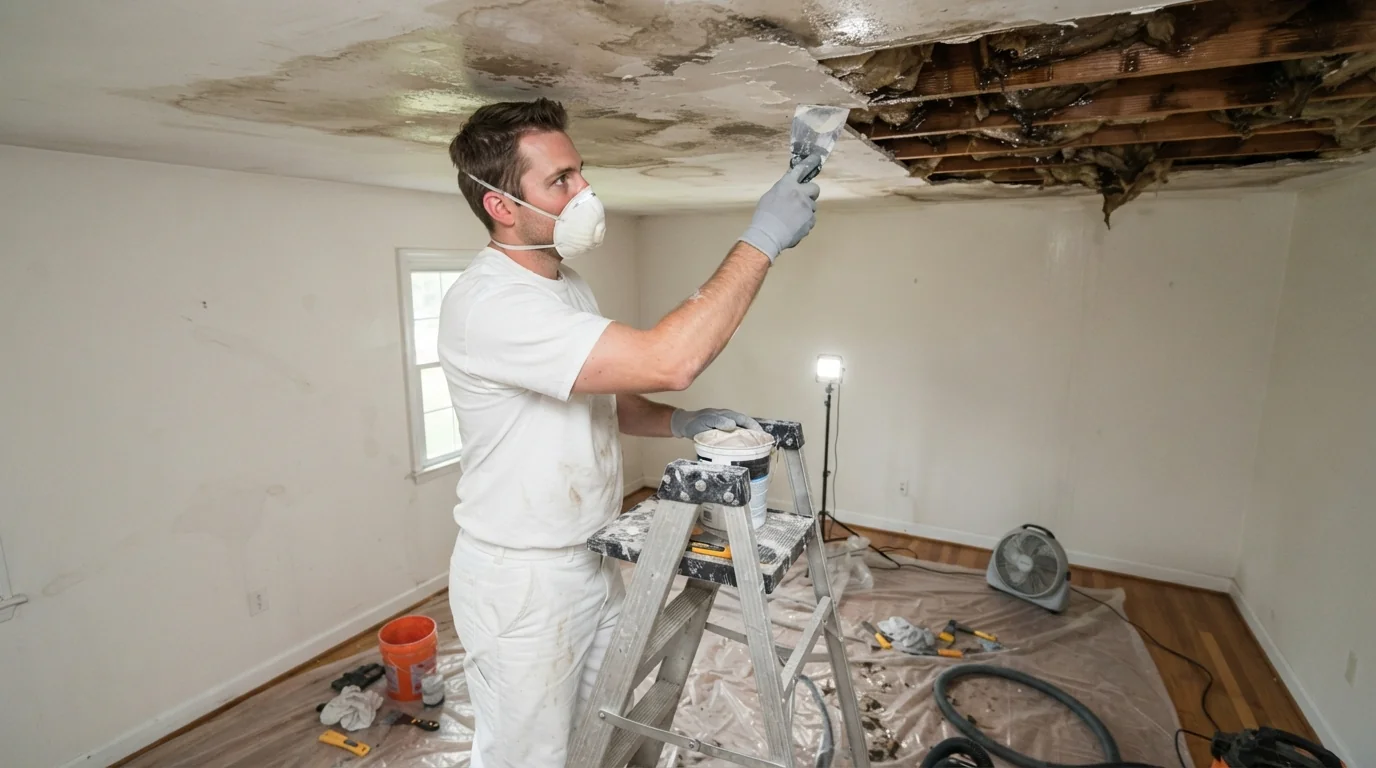
When a roof leak is active during a monsoon storm, the priority is containing the interior damage while the weather prevents roof access. Place containers under active drip points to collect falling water.
Keep all occupants and valuables away from the actively leaking area. Do not attempt to access the roof during a monsoon storm — lightning, high winds, wet and slippery surfaces, and reduced visibility make roof access during an active storm extremely dangerous.
Call a water damage restoration company immediately — do not wait for the storm to pass to make this call. Our 24/7 Phoenix emergency line can dispatch a crew with emergency tarping materials while the storm is still active.
Interior Damage Assessment After a Roof Leak
After the roof intrusion is controlled, the interior damage assessment must go beyond the visible water staining or dripping. Thermal imaging cameras reveal the extent of moisture migration through the ceiling assembly — water entering through a single roof penetration can travel significant distances horizontally through insulation before dripping through the ceiling in a location that may be many feet from the actual roof failure. Ready.gov outlines how to prepare for and respond to flood events. Read more about our team and certifications if you want to know who will be showing up at your door.
Attic insulation is one of the most commonly affected materials in a Phoenix roof leak event. Fiberglass batt and blown-in insulation absorb and retain water, providing an ongoing moisture reservoir that continues to wet the ceiling assembly beneath it long after the rain has stopped.
After insulation removal and ceiling assessment, structural drying is staged to address moisture in framing members, ceiling drywall, and any affected wall assemblies. Ceiling drying from below requires directed air movers positioned at the ceiling surface, with dehumidifiers handling the resulting moisture load in the room.
Prevention: Annual Roof Inspection and Maintenance
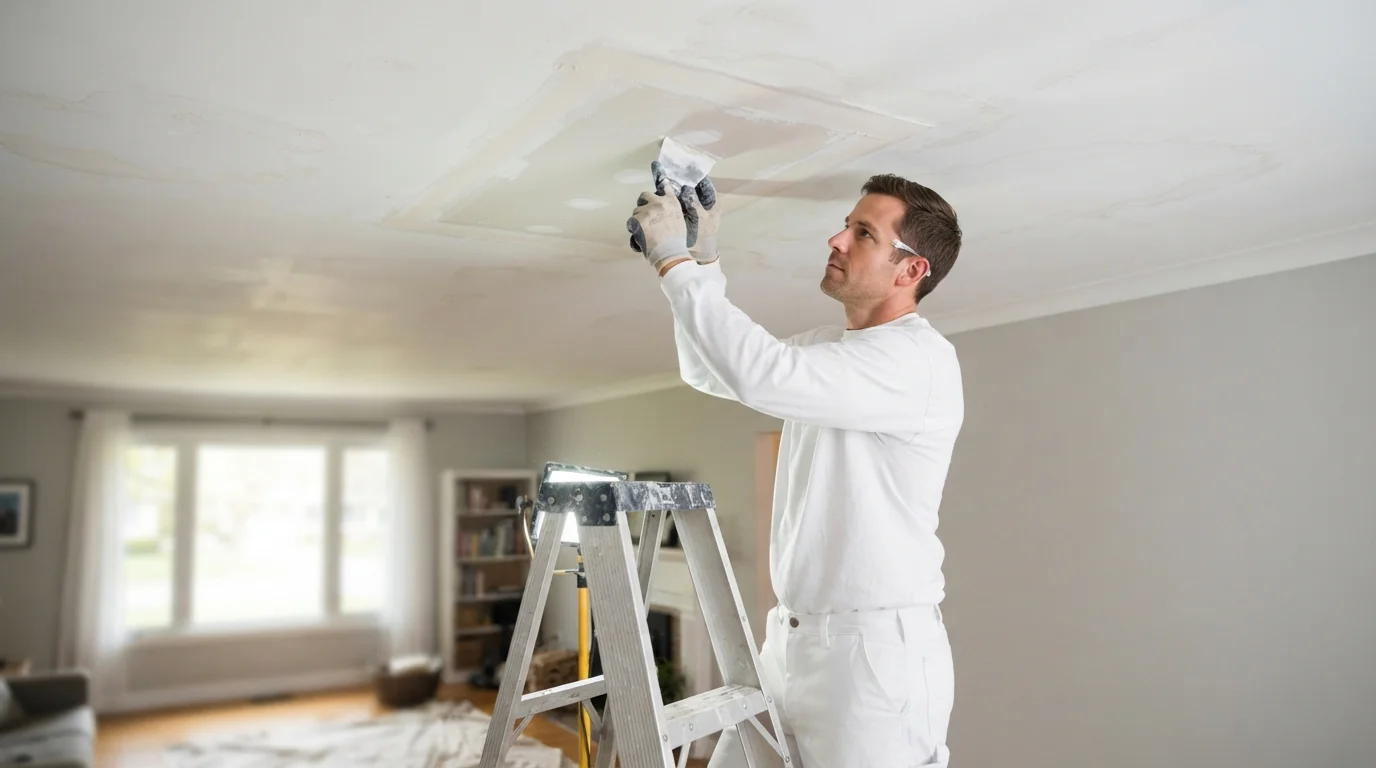
The most cost-effective response to monsoon roof leak risk is a proactive annual inspection in May — before monsoon season begins — by a licensed Phoenix roofing contractor. This inspection should specifically check: HVAC unit curb flashings for cracks, separations, or unseated edges; parapet wall cap condition and fastener tightness; all roof penetration sealants for cracking or separation; the membrane field for blisters, cuts, or worn areas; and all drains and scuppers for free flow and proper seal. FloodSmart.gov has more detail on flood insurance coverage and eligibility.
Roof coatings provide an additional layer of protection for Phoenix flat roofs. Reflective elastomeric coatings applied over existing membrane systems extend the waterproofing life, fill micro-cracks before they become active failures, and provide UV protection that dramatically slows the degradation of underlying materials.
Maintain documentation of all roof maintenance and repairs. Photographs, invoices, and inspection reports create a maintenance history that supports insurance claims (demonstrating the roof was properly maintained at the time of the storm event), establishes a baseline for future inspections, and provides documentation for real estate transactions.