Common DIY Burst Pipe Fixes and Their Limitations
Hardware store solutions like rubber repair clamps, epoxy putty, or pipe repair tape are designed as short-term, temporary measures to slow a leak, not as permanent repairs. These fixes can hold back low-pressure drips for a while, but a genuinely burst pipe — one that has fully separated or cracked under pressure — usually overwhelms a temporary patch quickly, especially at Phoenix's typical residential water pressure of 60 to 80 PSI. It's worth browsing our full list of restoration services to see which one matches what you're dealing with. If cost is on your mind, how our pricing works breaks down what typically drives the number up or down.
Why the Underlying Cause Often Gets Missed
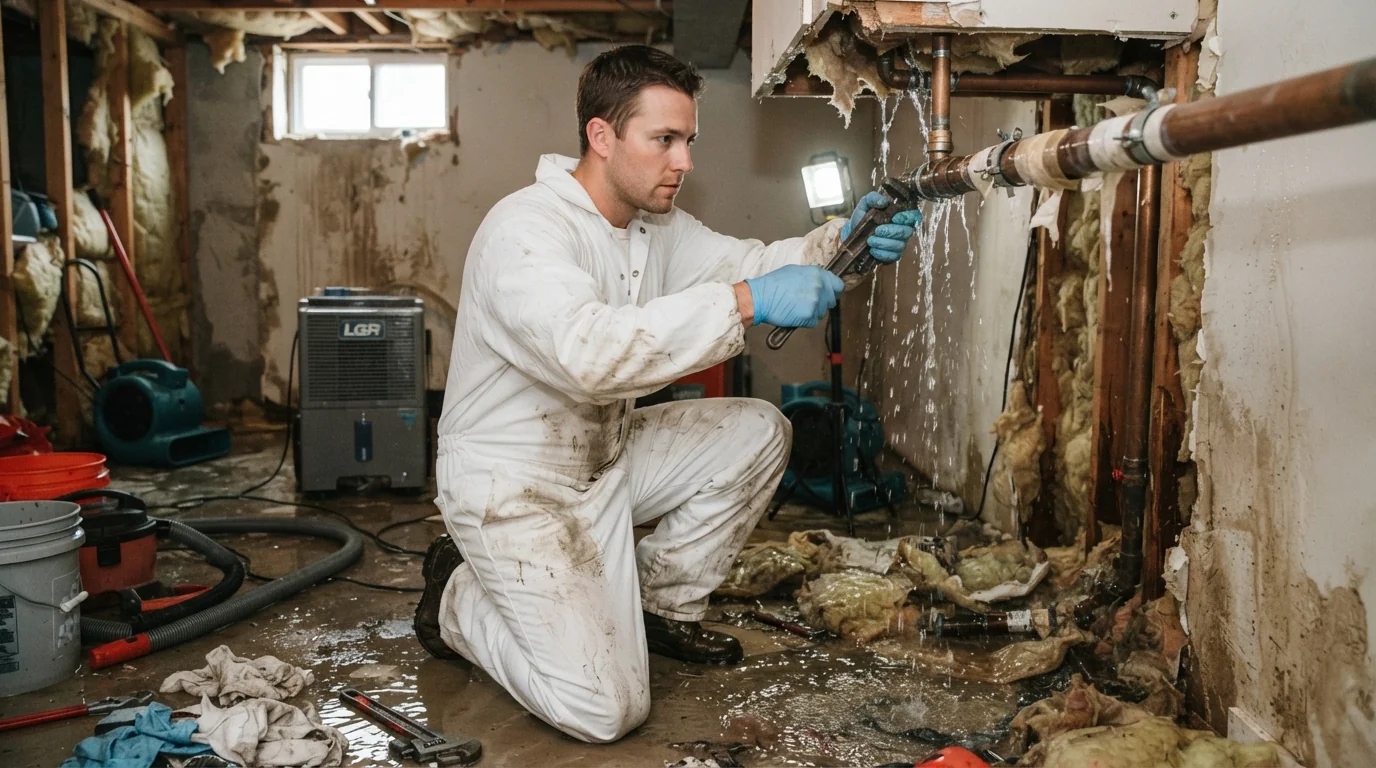
A DIY patch addresses the visible symptom but rarely addresses why the pipe failed in the first place. If the cause was corrosion from Phoenix's water chemistry or a pressure surge from the municipal supply, that same underlying issue is likely to cause another failure nearby — sometimes within weeks — if it isn't identified and addressed by a plumber. If you want to go deeper on this, our guide on Burst Pipe Repair for Slab Leaks in Phoenix Homes covers it well. We also break this down further in Extraction After a Water Heater Failure: What Phoenix Homeowners Should Know.
The Hidden Water Damage Risk of Delayed Professional Repair
Even a successful temporary patch doesn't address water that has already spread into walls, flooring, or cabinetry before the leak was discovered and stopped. Without a professional moisture assessment, hidden water can sit undetected inside a wall cavity for weeks, creating conditions for mold growth long after the visible leak seems resolved. For background from an independent source, see the IICRC S500 restoration standard. FEMA's National Flood Insurance Program has useful guidance on this if you want to read further.
When a Temporary Fix Makes Sense
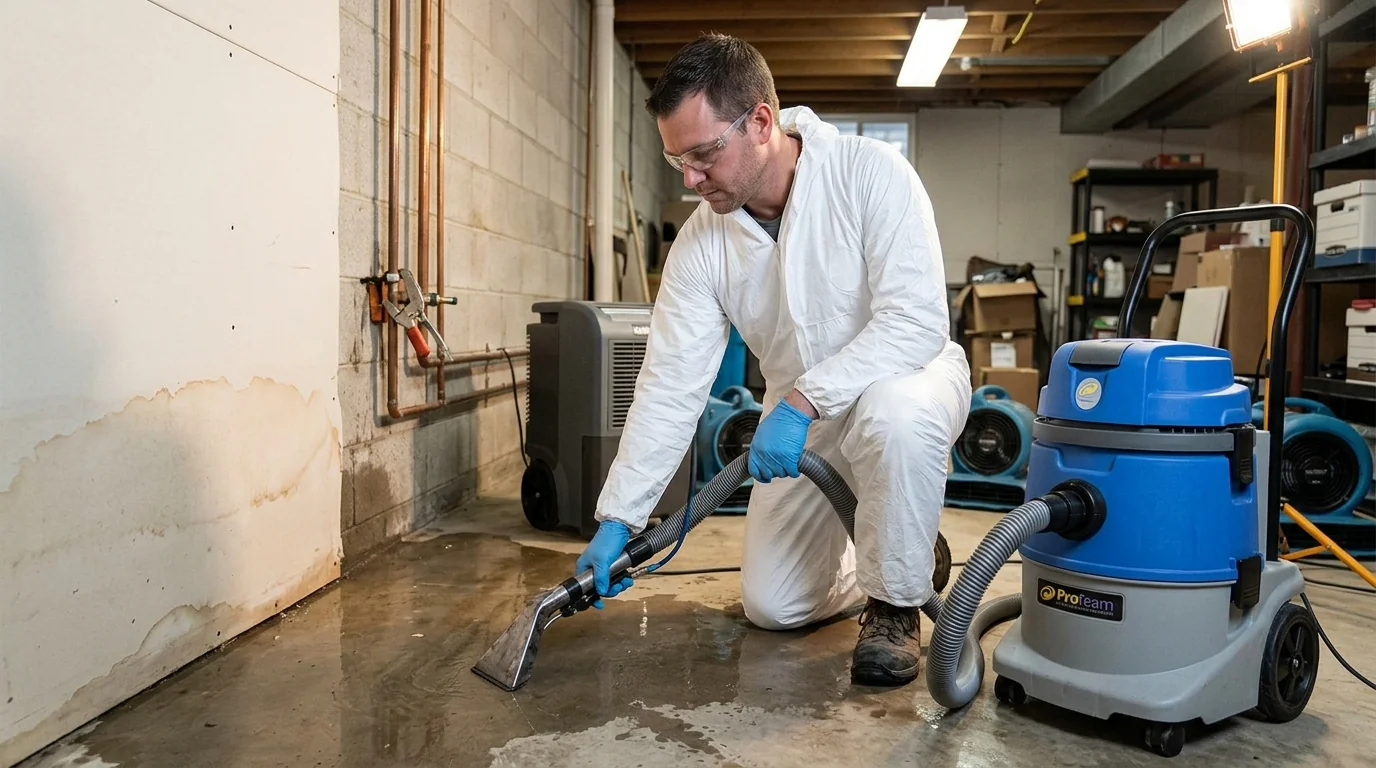
A temporary patch is reasonable as a stopgap measure to limit water flow while waiting for a plumber to arrive, particularly overnight or during a supply chain delay for parts. It should never be treated as a permanent solution — following up with a licensed plumber for a proper repair, and a restoration company for a moisture assessment, is the safest path forward. You can also review the Insurance Information Institute's overview of water damage claims for an outside perspective on this.