Why Water Heaters Fail in Phoenix Homes
Phoenix's mineral-heavy water accelerates tank corrosion over time, and most residential water heaters have a service life of 8–12 years. A tank failure is usually sudden — a corroded seam gives way and releases most of its contents within minutes, often in a garage or interior closet. You can learn more about our Phoenix water damage restoration company and how we help Phoenix homeowners recover quickly. Read more about our team and certifications if you want to know who will be showing up at your door.
Extraction Priorities for This Scenario
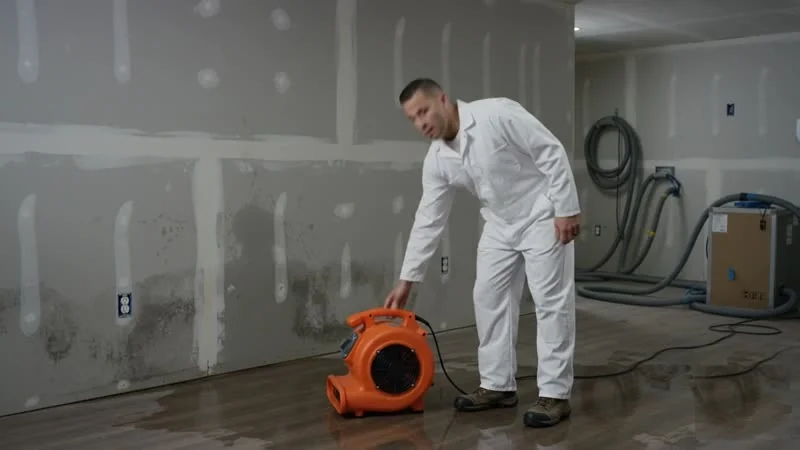
The first step is shutting off both the water supply to the tank and the gas or electric power source, since a failed unit can continue trying to heat with little or no water inside. Extraction then focuses on the immediate area and any path the water took toward adjoining rooms or shared walls. If you want to go deeper on this, our guide on Burst Pipe Repair Near Water Heaters: Special Considerations covers it well. We also break this down further in Burst Pipe Repair Cost in Phoenix: What Homeowners Actually Pay.
Checking for Hidden Migration
Because water heaters are often installed against an interior wall, extraction crews check the base of that wall and any flooring on the other side for moisture migration, even if the visible spill seems contained to the closet or garage where the tank is located. For a related situation, see our post on Burst Pipe Repair for Slab Leaks in Phoenix Homes. For background from an independent source, see the IICRC S500 restoration standard.
Replacing the Unit vs. Repairing It
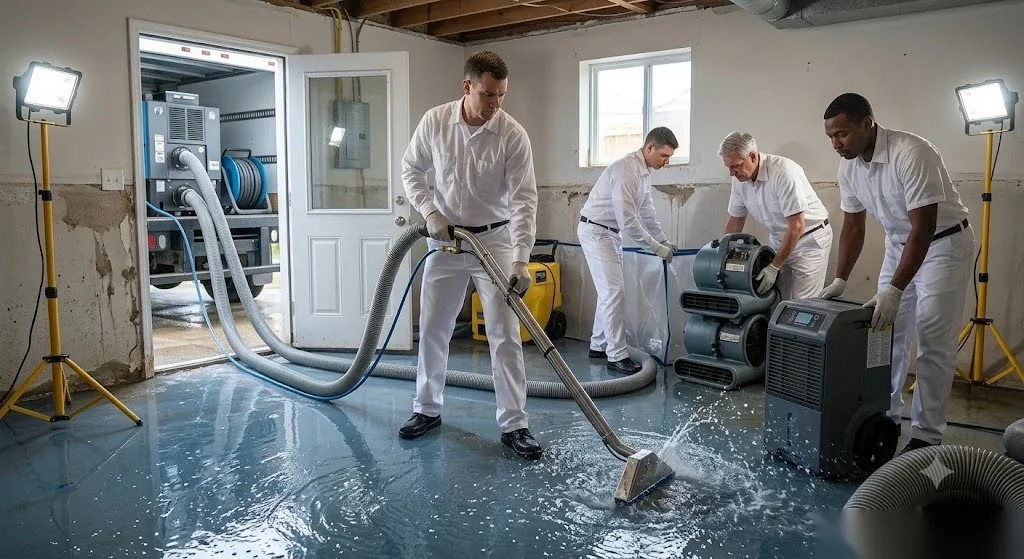
A tank that's failed from corrosion typically needs full replacement rather than repair — a licensed plumber should assess this separately from the extraction and drying work, which focuses on the water damage itself rather than the appliance. FEMA's National Flood Insurance Program has useful guidance on this if you want to read further. You can also review the Insurance Information Institute's overview of water damage claims for an outside perspective on this.