Confirm Category 3 Water Certification
Sewage backups are classified as Category 3 (black water), which requires specific PPE, containment, and disposal protocols that differ from a clean-water pipe leak. Ask directly whether technicians hold IICRC water damage restoration certification and whether the company routinely handles Category 3 losses, not just occasional ones. You can learn more about our Phoenix water damage restoration company and how we help Phoenix homeowners recover quickly. Read more about our team and certifications if you want to know who will be showing up at your door.
Ask About Disposal of Contaminated Materials
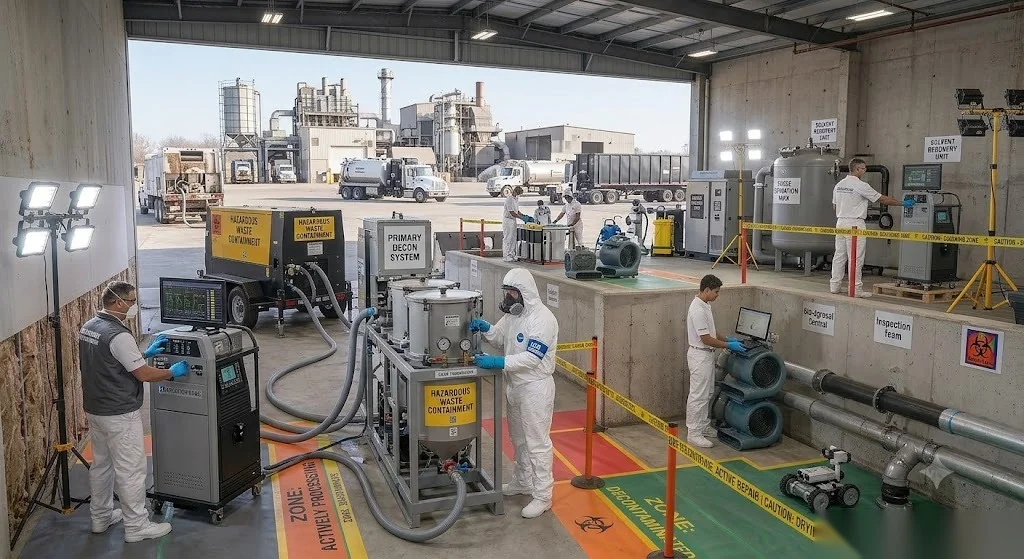
Porous materials that contact sewage — carpet, pad, some drywall, insulation — typically cannot be cleaned and must be removed and disposed of according to local regulations. A reputable sewage cleanup company should explain what gets discarded versus what can be sanitized and dried, and should document this decision-making for your insurance claim. If you want to go deeper on this, our guide on Sewage Backup Cleanup in Phoenix: Why You Should Never DIY covers it well.
Check Their Sanitization and Antimicrobial Process
After extraction and demolition, the affected area needs antimicrobial treatment and often air scrubbing before it's considered safe to reoccupy. Ask what products they use and whether they provide before-and-after moisture and air quality readings, not just a verbal assurance the job is done. For background from an independent source, see the IICRC S500 standard for contaminated water categories. CDC guidance on sewage-related health hazards has useful guidance on this if you want to read further.
Verify Response Speed for Active Backups
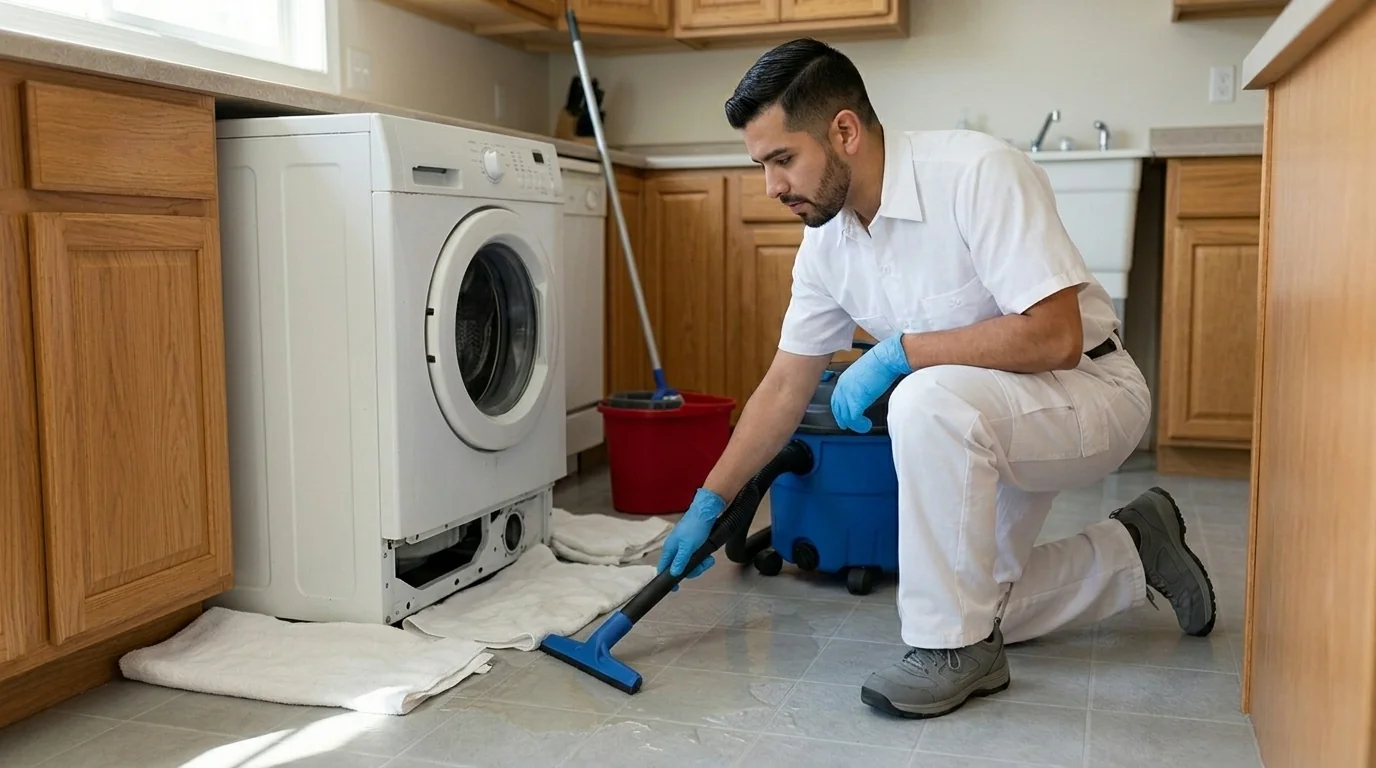
An active sewage backup keeps contaminating new area every hour it continues, so response speed matters even more than with a standard leak. Confirm the company can dispatch immediately for sewage calls specifically — some companies prioritize simpler water losses because sewage jobs take longer and require more precautions. You can also review the EPA's mold and moisture guidance for an outside perspective on this.