Understanding how structural drying equipment is billed helps you review your invoice with confidence and ask informed questions if something looks off, whether you're paying out of pocket or working through an insurance claim.
How Equipment Is Typically Billed
Most restoration companies bill drying equipment on a per-unit, per-day basis — a standard air mover might carry one daily rate, while an LGR dehumidifier or specialty drying mat system carries a higher rate reflecting its cost and specialized function. The total equipment charge is the sum of each unit's daily rate multiplied by the number of days it remained on-site. If a situation like this is happening right now, you can request emergency service and we'll get moving.
Why Specialty Equipment Costs More
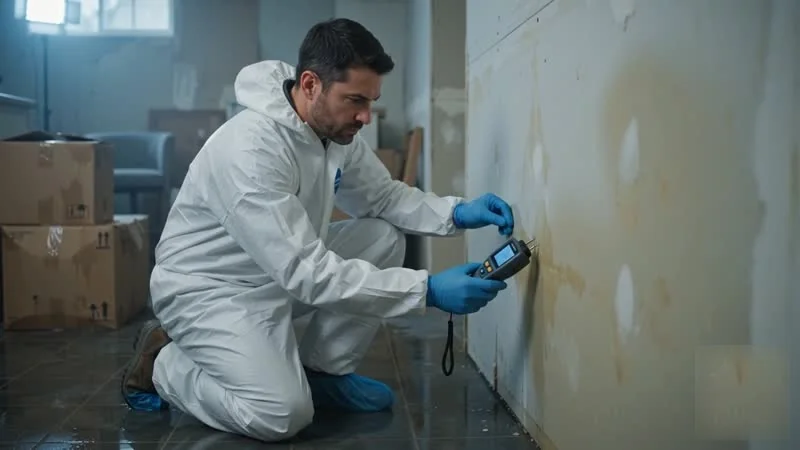
Standard air movers are relatively inexpensive to own and operate compared to specialized equipment like desiccant dehumidifiers, negative air machines, or the floor drying mat systems used for tile and hardwood. These specialized units cost restoration companies significantly more to purchase and maintain, which is reflected in their daily rental rate on your invoice. For background from an independent source, see the Insurance Information Institute's overview of water damage claims.
What Determines How Long Equipment Stays Billed
Equipment remains on-site — and billed — until daily moisture readings confirm the affected materials have reached their target moisture content, referenced against the dry standard established during moisture mapping. This is why the drying logs matter: they're the documentation that justifies the number of days equipment appears on your invoice. the Arizona Department of Insurance and Financial Institutions has useful guidance on this if you want to read further.
Red Flags on an Equipment Invoice
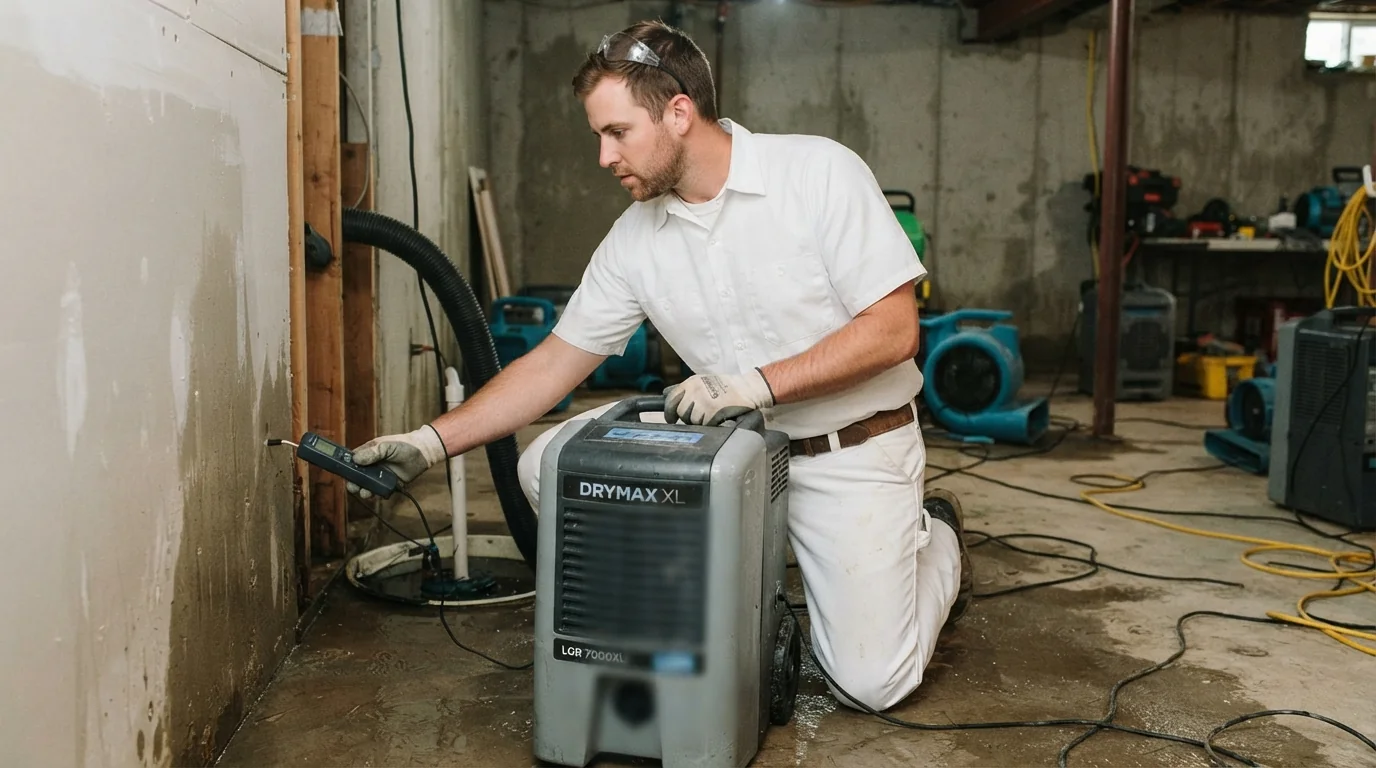
Equipment charges that continue well past the point where moisture readings show materials are dry, unusually high per-unit counts relative to the documented affected area, or a lack of daily moisture logs to support the billed duration are all worth questioning directly with your restoration company or, if needed, your insurance adjuster. You can also review FEMA's National Flood Insurance Program for an outside perspective on this.
Reviewing Equipment Charges Against Your Insurance Estimate
Insurance companies typically use standardized pricing software to estimate reasonable equipment costs for a given scope of work, and adjusters will compare your restoration company's invoice against that benchmark. Significant discrepancies are usually resolved through documentation — the moisture map, daily logs, and photos — showing why the specific equipment and duration were necessary for your particular loss.