Initial Assessment and Water Categorization
A complete emergency package starts with an on-site assessment identifying the water source, categorizing contamination level, and mapping the affected area with moisture meters. This step determines everything that follows, from equipment count to whether demolition is needed. You can learn more about our Phoenix water damage restoration company and how we help Phoenix homeowners recover quickly. Read more about our team and certifications if you want to know who will be showing up at your door.
Extraction and Equipment Setup
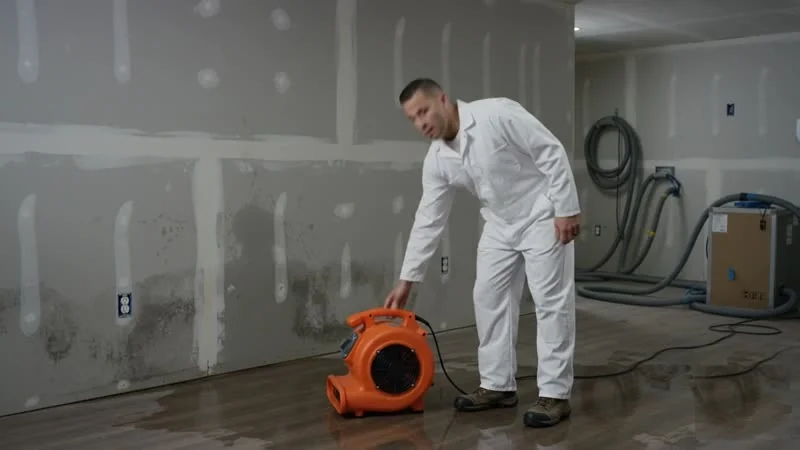
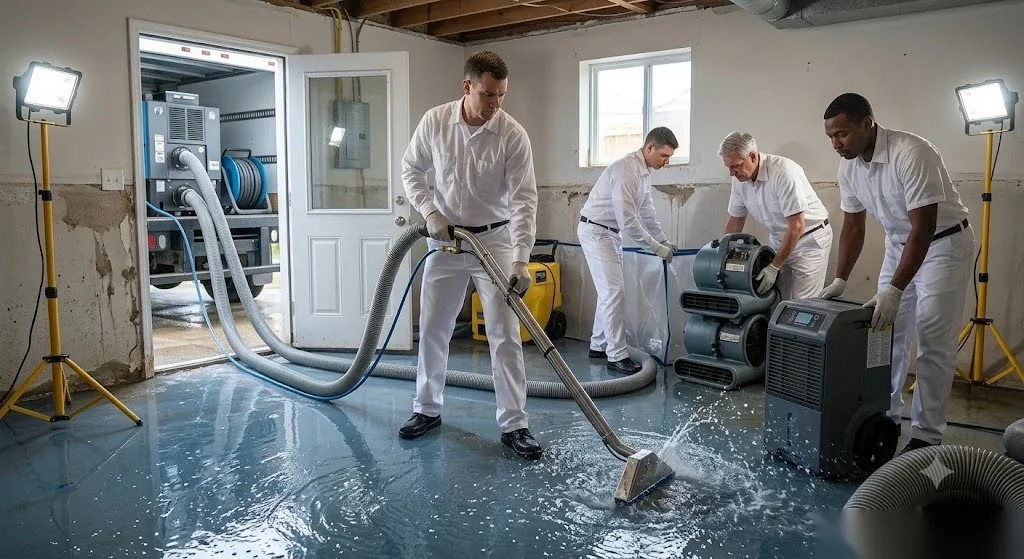
Standing water extraction using truck-mount or portable extractors comes next, followed by placement of air movers and dehumidifiers sized to the affected square footage. This is the portion most people picture when they think "water damage restoration," but it's only the beginning of the full package. If you want to go deeper on this, our guide on Water Damage After a Phoenix House Fire: Addressing Combined Damage covers it well. We also break this down further in Smart Water Sensors for Phoenix Homeowners: Are They Worth It?.
Ongoing Monitoring Through Completion
A genuine emergency services package includes scheduled monitoring visits — not just a single visit — to track drying progress with moisture readings until the structure returns to normal levels. Ask specifically how many monitoring visits are included versus billed as extras. For a related situation, see our post on What to Do in the First Hour After Water Damage in Phoenix. For background from an independent source, see the IICRC S500 restoration standard.
Documentation and Insurance Coordination
The package should also include thorough photo documentation and, ideally, direct coordination with your insurance adjuster using standard industry estimating software. A company that treats documentation as an afterthought is more likely to leave you handling insurance friction on your own. the Insurance Information Institute's claims overview has useful guidance on this if you want to read further. You can also review FEMA's National Flood Insurance Program for an outside perspective on this.