Water damage is one of the most stressful emergencies a Phoenix homeowner or business owner can face. Every minute that water sits against building materials, the deeper it penetrates and the more it costs to dry and restore.
Stop the Water Source Immediately
The first action in any water damage event is stopping the water from continuing to enter the property. Locate and shut off your main water supply valve — in most Phoenix homes this is near the water meter at the street or in a utility alcove. You can learn more about our Phoenix water damage restoration company and how we help Phoenix homeowners recover quickly.
Do not enter a room where water is pooling near electrical outlets, panels, light fixtures, or appliances until you have confirmed the electricity to that area is off. Turn off the circuit breaker for all affected rooms before entering.
Once the source is controlled, your focus shifts to protection and documentation. Move any portable valuables — electronics, documents, irreplaceable personal items — to a dry area before water reaches them. the IICRC S500 standard sets the procedural benchmark restoration companies are expected to follow.
Document Everything Before Cleanup Begins
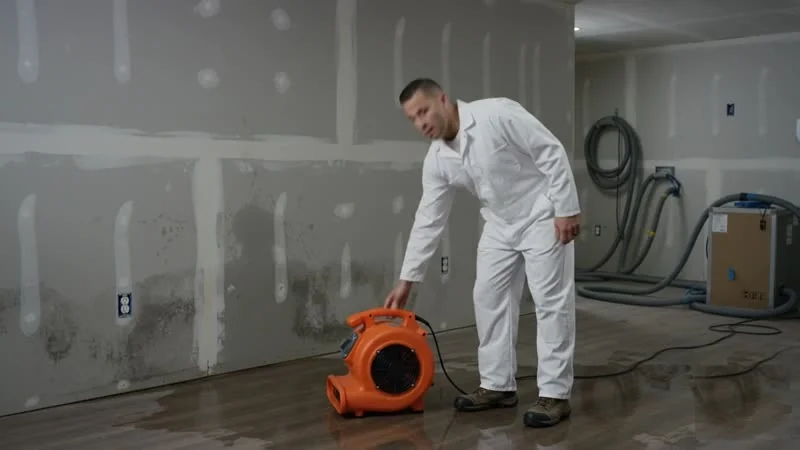
Your insurance claim depends entirely on the documentation you create before any cleanup or restoration begins. Pull out your phone and record a continuous video walkthrough of every affected room, narrating the water source, depth of standing water, and all affected materials.
Do not move or throw away any damaged materials before your insurance adjuster has the opportunity to see them. This includes damaged carpet, flooring, insulation, and personal property.
For Phoenix business owners, documentation must also include business records: log the time and date of discovery, the source identified, any employees who witnessed the event, and steps taken. This operational record supports a business interruption claim in addition to the property damage claim.
Call a Professional Restoration Team
Once the source is controlled and documentation is captured, call a 24/7 water damage restoration company immediately. Professional restoration is not just about removing visible water — it is about extracting moisture from inside walls, under floors, and within structural cavities before mold and deterioration can develop. the EPA provides background on how moisture control prevents mold growth in buildings.
When you call, be prepared to describe the source of water (pipe, appliance, roof, storm), the approximate area affected in square feet, the number of rooms involved, and whether the water might be contaminated (sewage, floodwater, grey water from a dishwasher or washing machine). This information helps the dispatcher send the right crew with the right equipment.
Professional restoration companies operating in Phoenix should offer live dispatch at any hour — not an answering service or a callback the next morning. Every hour of delay is measurable damage.
Begin Moisture Mapping and Extraction
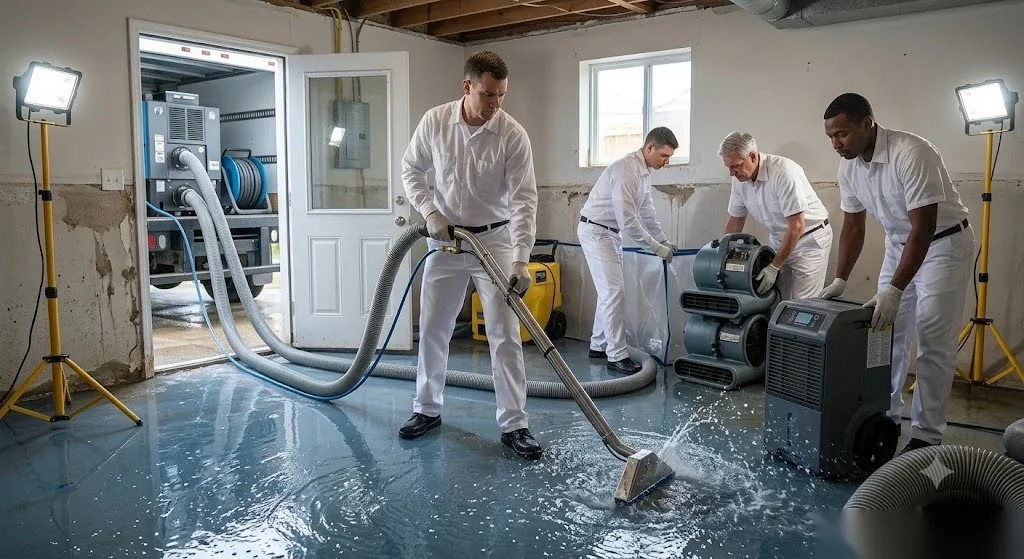
The first action a professional restoration crew takes upon arrival is a complete moisture assessment — not immediately turning on equipment. Thermal imaging cameras reveal hidden moisture behind walls and under floors that is invisible to the naked eye. FEMA's National Flood Insurance Program explains how the National Flood Insurance Program covers flood losses.
Standing water extraction begins once the full scope is understood. Truck-mounted extractors are positioned to maximize suction efficiency — technicians work systematically from the furthest point back toward the entry, ensuring no area is missed.
After the primary extraction pass, structural drying equipment is deployed the same day — often within the same visit. Industrial air movers and low-grain refrigerant dehumidifiers work together: the air movers accelerate evaporation from wet materials, and the dehumidifiers extract the resulting moisture from the air before it can re-absorb into dry materials.