Category 1 — Clean Water Extraction
Clean water sources like a supply line break or overflowing sink allow crews to extract using standard equipment and minimal PPE. The main risk with Category 1 water isn't contamination — it's time. Left untreated for more than 24–48 hours, clean water can degrade to Category 2 as it sits and picks up contaminants from building materials. If cost is on your mind, how our pricing works breaks down what typically drives the number up or down. We've answered a lot of related questions on answers to common questions.
Category 2 — Grey Water Extraction
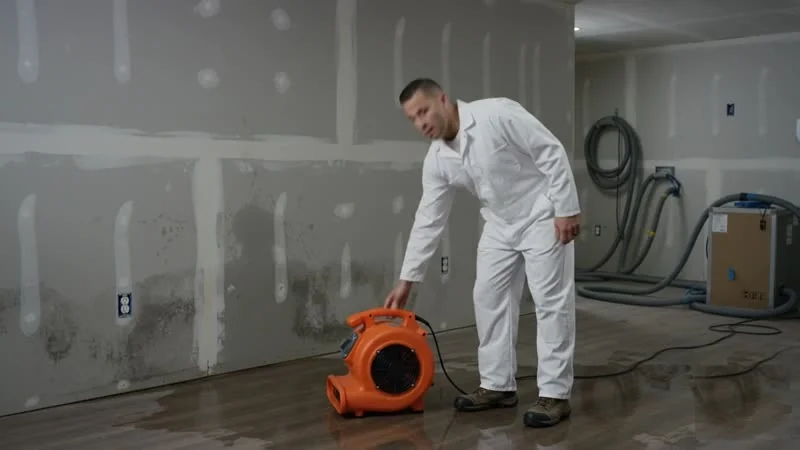
Grey water — from a washing machine overflow or a toilet with no solid waste — requires extraction crews to wear gloves and eye protection, and any porous materials that absorbed the water (carpet padding, particleboard) are typically removed rather than dried in place. If you want to go deeper on this, our guide on Water Damage and Hardscape in Phoenix: Driveways, Patios, and Pool Decks covers it well. We also break this down further in How to Compare Water Damage Restoration Quotes in Phoenix.
Category 3 — Black Water Extraction
Black water — sewage backups or floodwater — requires full PPE, containment barriers to prevent cross-contamination to unaffected areas, and disposal of any porous material that contacted the water. Extraction equipment used on a black water job is fully sanitized before it touches any other property. For background from an independent source, see the IICRC S500 restoration standard. the Insurance Information Institute's claims overview has useful guidance on this if you want to read further.
Why Getting the Category Wrong Is Costly
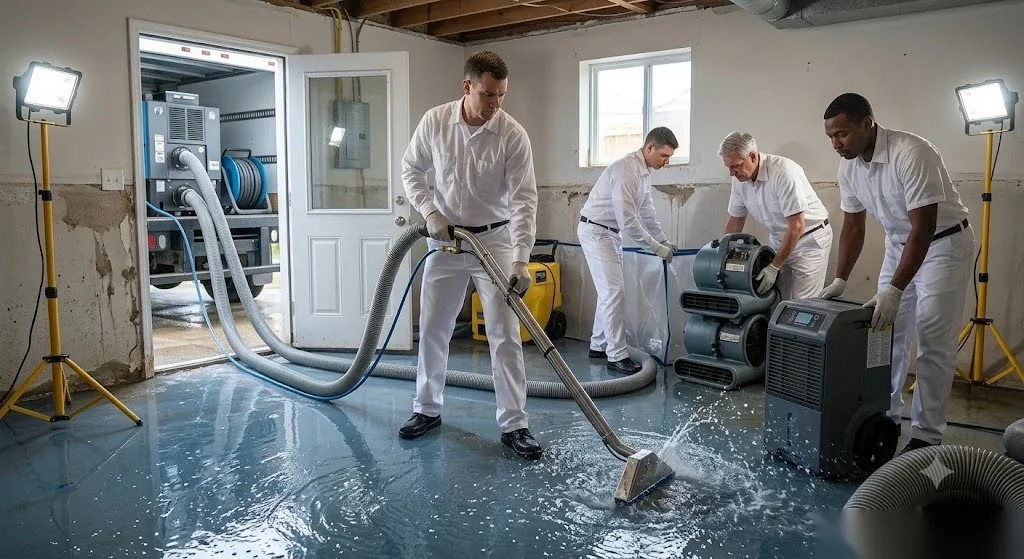
Treating Category 3 water with Category 1 procedures — trying to dry and save materials that should be removed — creates a health hazard and often voids the insurance claim's mitigation requirements. Our crews assess water category before extraction begins, not after. You can also review FEMA's National Flood Insurance Program for an outside perspective on this.