Make Sure the Scope Is Actually the Same
The biggest reason quotes differ isn't price per line item — it's scope. One estimate might plan to dry drywall in place while another assumes full removal and replacement, which changes the total dramatically even if per-unit pricing is similar. Ask each company to walk through exactly what they plan to remove versus dry. This applies across the Phoenix-area neighborhoods we serve, not just one part of the city. You can learn more about our Phoenix water damage restoration company and how we help Phoenix homeowners recover quickly.
Compare Equipment Counts, Not Just Totals
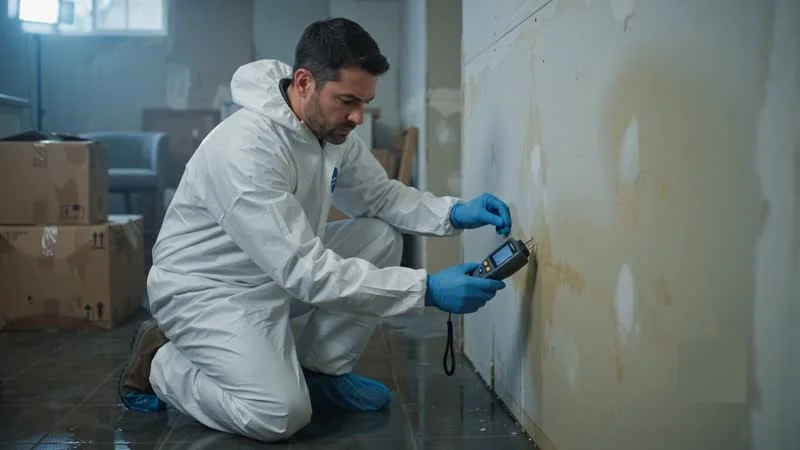
A lower total sometimes reflects fewer air movers and dehumidifiers than the space actually needs, which can extend drying time and risk secondary damage like mold. Ask how many units each estimate includes and whether that number is based on the affected square footage or a flat assumption. If you want to go deeper on this, our guide on Water Damage Restoration Near Me: How to Vet a Local Company covers it well. We also break this down further in The Water Meter Test: How to Check for a Hidden Leak Yourself.
Ask About Monitoring Visit Frequency
Some estimates include daily monitoring visits to confirm drying progress; others check in every few days. More frequent monitoring costs more upfront but catches problems — like a dehumidifier failure or a damp spot behind a wall — much faster. For a related situation, see our post on What's Included in a 24/7 Emergency Restoration Services Package. For background from an independent source, see the IICRC S500 restoration standard.
Get the Insurance Coordination Question Answered
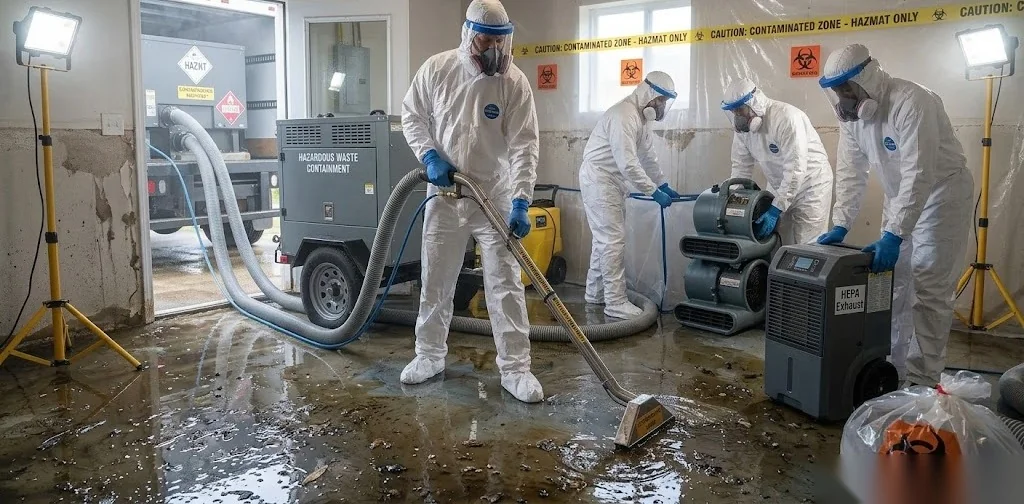
Ask whether the company bills your insurance directly using standard industry pricing software (most restoration billing follows Xactimate pricing), since this affects how smoothly your claim gets processed and whether you'll face gaps between the estimate and what your carrier approves. the Insurance Information Institute's claims overview has useful guidance on this if you want to read further. You can also review FEMA's National Flood Insurance Program for an outside perspective on this.