The Core Question: Can the Material Be Fully Dried?
The central decision in any flood damage repair project is whether a wet material can be dried back to a safe, stable, pre-loss condition or whether it needs to be removed and replaced. Materials that are porous and absorb contaminants, like carpet padding or particleboard, are far less likely to be salvageable than dense, non-porous materials like solid wood or tile. This applies across the Phoenix-area neighborhoods we serve, not just one part of the city.
Restoration technicians use moisture meters and time-in-water as key factors — a material saturated for a few hours behaves very differently than the same material saturated for two days. You can learn more about our Phoenix water damage restoration company and how we help Phoenix homeowners recover quickly.
Flooring: Repair or Replace
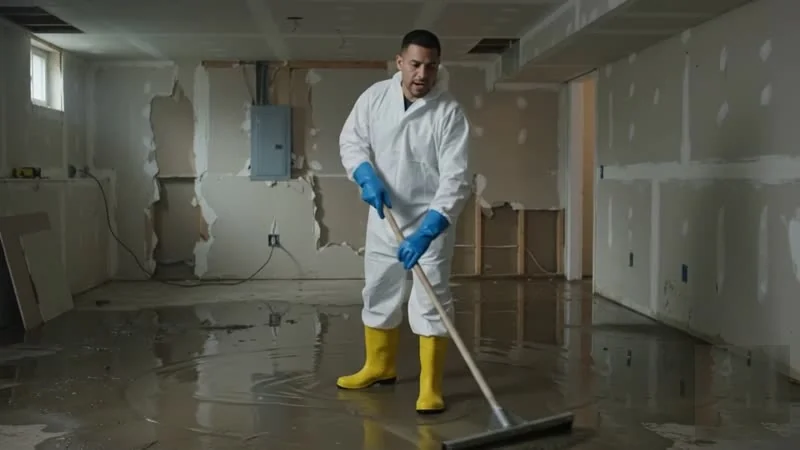
Solid hardwood can often be dried and refinished if water is removed quickly, though cupping or buckling may still require board replacement in the worst-affected areas. Laminate and engineered flooring with a particleboard core typically cannot be salvaged once water reaches the core layer, since the material swells and does not return to its original shape. If you want to go deeper on this, our guide on The Complete Flood Damage Repair Checklist for Phoenix Homeowners covers it well.
Carpet itself can sometimes be extracted and dried, but the padding underneath almost always needs replacement after significant flooding, since it holds contaminants against the subfloor. For background from an independent source, see the National Weather Service Phoenix office.
Drywall and Insulation
Drywall that was exposed to clean water for a short period can sometimes be dried in place if caught early. Drywall exposed to grey or black water, or saturated for an extended period, is typically removed to the flood line and replaced, since it can harbor bacteria and lose structural integrity. Fiberglass insulation behind flooded drywall is almost always replaced rather than dried, as it loses its insulating properties once compressed and wet. FEMA's National Flood Insurance Program has useful guidance on this if you want to read further.
Cabinetry and Trim
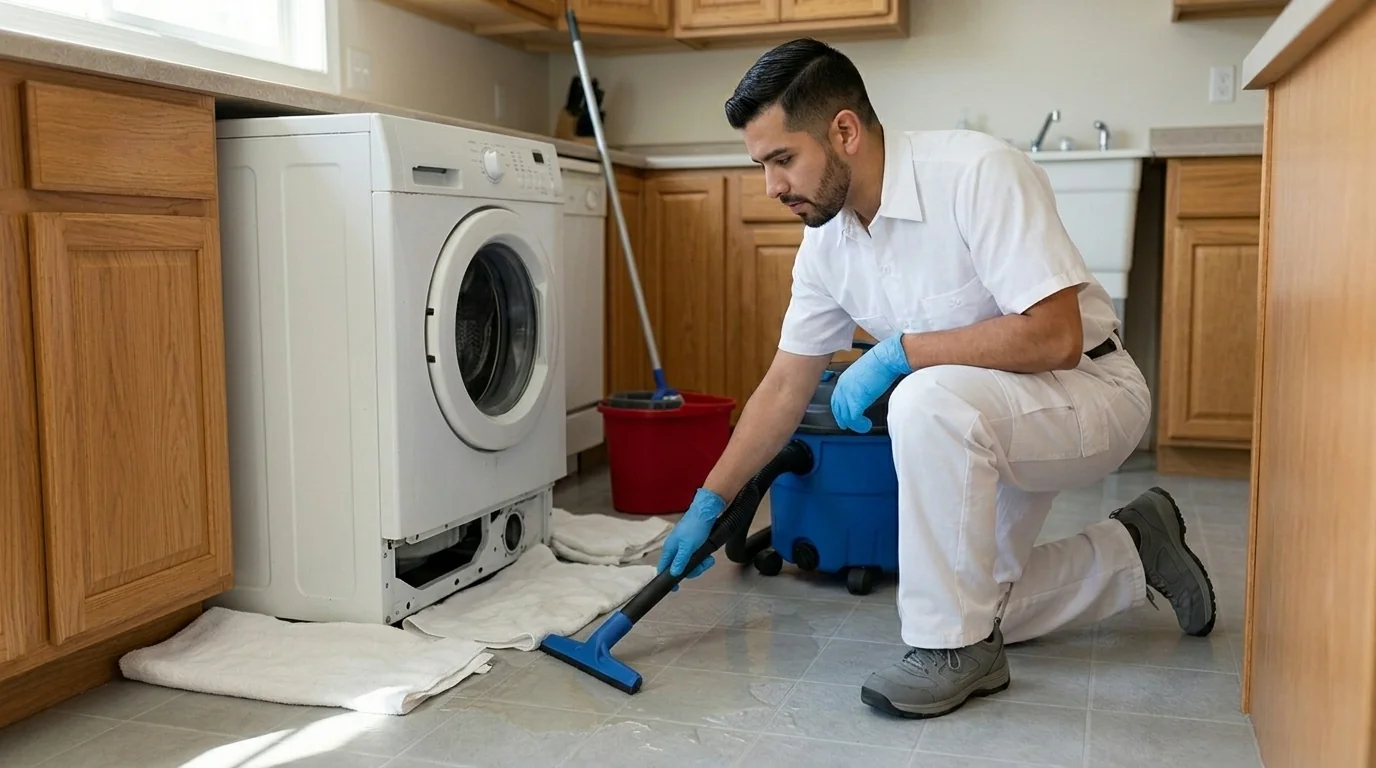
Solid wood cabinetry with a good seal can sometimes survive a flood with drying and minor refinishing. Particleboard cabinet boxes, common in many Phoenix homes, swell permanently when wet and typically require replacement of the lower sections that were submerged, even if the upper cabinets are untouched. You can also review the Red Cross flood safety guidance for an outside perspective on this.