Pin meters, pinless meters, and thermal imaging cameras are the diagnostic tools of professional water damage restoration. Understanding what they measure and how readings are used helps you verify restoration quality. This guide provides Phoenix-specific guidance covering the causes, professional response process, insurance considerations, and prevention measures that every property owner in this market should understand.
Key Facts About How Moisture Meters Work in Water Damage
Phoenix water damage restoration technicians who specialize in this area bring local expertise to every assessment. Thermal imaging cameras and calibrated moisture meters reveal conditions that visual inspection alone misses, providing the objective measurements that drive restoration decisions and support insurance claims. It's worth browsing our full list of restoration services to see which one matches what you're dealing with.
The restoration timeline for events involving this topic varies based on the extent of water intrusion, materials affected, and how quickly professional response begins. In Phoenix's dry climate, properly managed drying programs typically complete faster than in humid markets — but this advantage only materializes with correctly sized professional equipment.
What Professional Restoration Involves
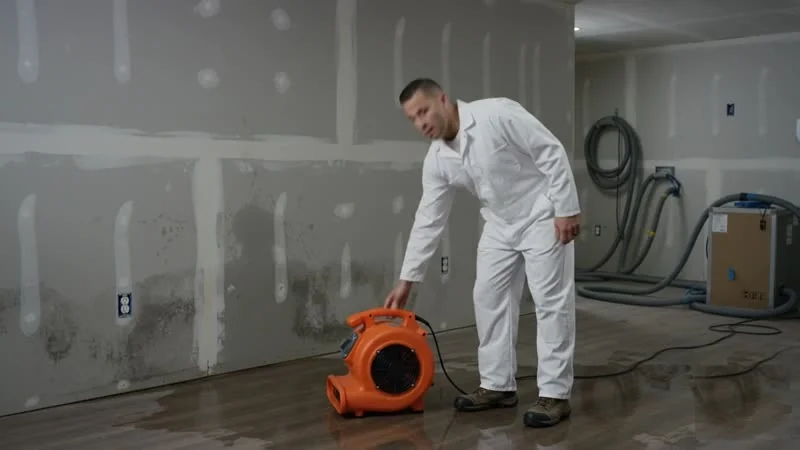
Professional assessment begins with a thorough moisture map of all affected areas using thermal imaging and calibrated pin and pinless moisture meters. This mapping establishes the full scope of water intrusion beyond the visually wet areas, determines the equipment requirements for effective drying, and creates the documentation baseline that supports the insurance claim. the IICRC S500 standard sets the procedural benchmark restoration companies are expected to follow.
Extraction removes standing and surface water as quickly as possible — every hour of delay increases material saturation depth. Industrial truck-mounted extractors remove water at rates that consumer equipment cannot approach. Specialty extraction tools address different flooring types, wall cavities, and confined spaces where standard equipment cannot reach.
Structural drying with industrial air movers and commercial dehumidifiers follows extraction and is monitored daily with moisture meter readings at consistent measurement points. The drying program runs 24 hours per day until all materials reach target moisture levels — confirmed with a final clearance document before reconstruction begins.
Insurance and Documentation
Most standard Arizona homeowners policies cover sudden and accidental internal water damage events. Sewer backup, gradual deterioration, and external flooding from monsoon runoff require specific endorsements or separate policies. Contact your insurer the same day you discover water damage — prompt notification is typically required by your policy. the EPA provides background on how moisture control prevents mold growth in buildings.
Your restoration company's documentation package — moisture map, daily drying logs, photographs, and itemized scope in adjuster-compatible format — is what determines your insurance claim payment. Request this documentation proactively and review it as it is generated. Companies that cannot provide daily drying logs or a final clearance document are not documenting to professional standards.
Call (602) 926-0563 immediately when water damage is discovered in your Phoenix property. Our 24/7 live dispatch team can have a crew on-site within 60 minutes across the full Phoenix metro. We coordinate directly with your insurance carrier and provide all required claim documentation.
Prevention for Phoenix Properties
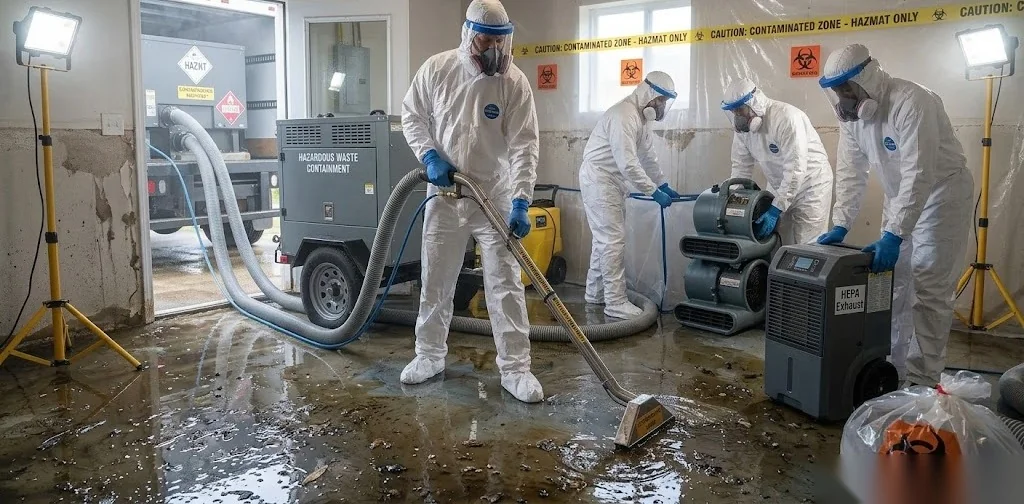
Annual pre-monsoon inspection of the systems most associated with this water damage type is the most effective prevention measure. Scheduling this inspection in April — before monsoon season begins and before contractor schedules fill with emergency calls — ensures vulnerabilities are addressed before they become events. FEMA's National Flood Insurance Program explains how the National Flood Insurance Program covers flood losses.
Smart water sensor technology at high-risk locations provides immediate detection of developing leaks, limiting damage scope by reducing the time from leak onset to discovery. These devices range from simple audible sensors at $20-30 to integrated smart home systems with automatic water supply shut-off. For Phoenix properties with frequent travel or unoccupied periods, remote-monitored sensors are particularly valuable.
Maintain documentation of all preventive maintenance performed on your Phoenix property. This maintenance record supports insurance claims by establishing that the property was properly maintained at the time of any loss, and it provides a baseline for future inspections that identifies what has been done and when repeats are due.