Understanding the difference between these two measurements clarifies why psychrometric science underpins every properly executed structural drying program.
What Relative Humidity Actually Means
Relative humidity is the percentage of moisture the air is currently holding compared to the maximum amount it could hold at that specific temperature. Because warmer air can hold more moisture than cooler air, the same actual amount of water vapor in the air will show a different relative humidity percentage depending on temperature alone — which is exactly why relative humidity by itself can be a misleading measurement during active drying. This applies across the Phoenix-area neighborhoods we serve, not just one part of the city.
What Specific Humidity Adds to the Picture

Specific humidity — sometimes called grains per pound (GPP) — measures the actual weight of water vapor present in the air, independent of temperature. This is the measurement that tells a technician how much moisture is genuinely present in the drying chamber's air, rather than a percentage that shifts as temperature changes throughout the day. For background from an independent source, see the IICRC S500 restoration standard.
Why Both Numbers Matter Together
A drying chamber's relative humidity can appear to drop simply because the temperature increased — heat from equipment running continuously raises the air's moisture-holding capacity, which lowers the relative humidity percentage even if the actual moisture content hasn't changed. Tracking specific humidity alongside relative humidity lets technicians confirm that real drying progress is occurring, not just a temperature-driven shift in the percentage. the EPA's moisture control guidance has useful guidance on this if you want to read further.
How This Connects to Equipment Decisions
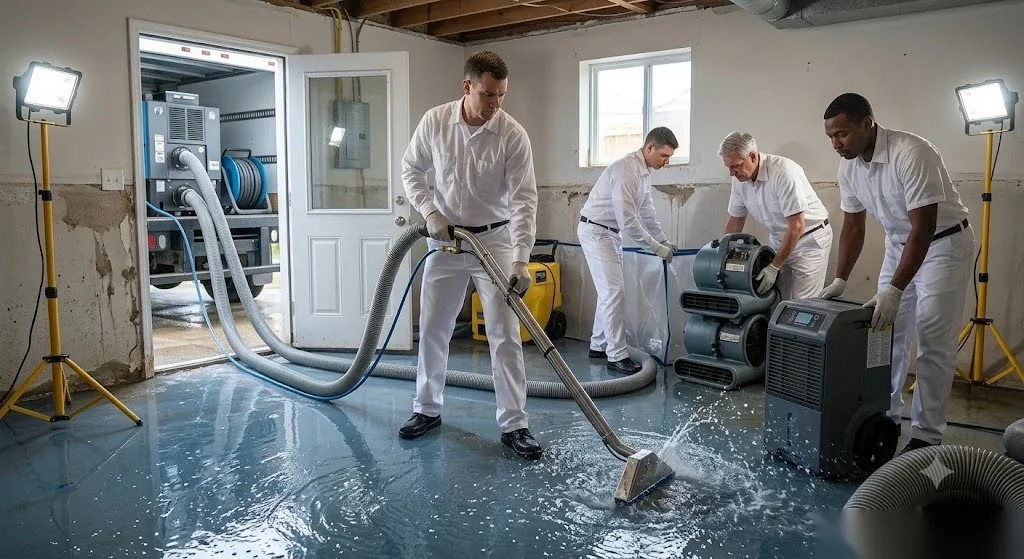
When specific humidity readings plateau despite equipment running as expected, it signals that dehumidification capacity may need to be increased, or that a slower-releasing moisture source — like a saturated subfloor — is continuing to feed moisture back into the chamber's air faster than it's being removed. You can also review the Department of Energy's ventilation and humidity guidance for an outside perspective on this.
What This Means for Homeowners
You don't need to track these numbers yourself, but understanding that your technician's daily readings include more than a simple humidity percentage helps explain why the daily drying log looks more detailed than a typical home weather app — and why that detail is what actually verifies your property is drying correctly.