Most discussions of roof leak water damage focus on materials — drywall, insulation, flooring. But when a roof leak reaches electrical wiring, recessed lighting fixtures, or ceiling fan boxes, the situation shifts from a property damage concern to a genuine safety hazard that requires an immediate and different response.
Why Water Near Electrical Systems Is Dangerous
Water is an effective electrical conductor, particularly once it picks up minerals and impurities from building materials it has traveled through. Water reaching a live electrical junction box, recessed light fixture, or wiring run creates a genuine shock and fire hazard — and the danger is not limited to the moment water is actively present, since corrosion from previous water exposure can compromise electrical connections long after the area appears dry. We've answered a lot of related questions on answers to common questions.
Recognizing the Warning Signs
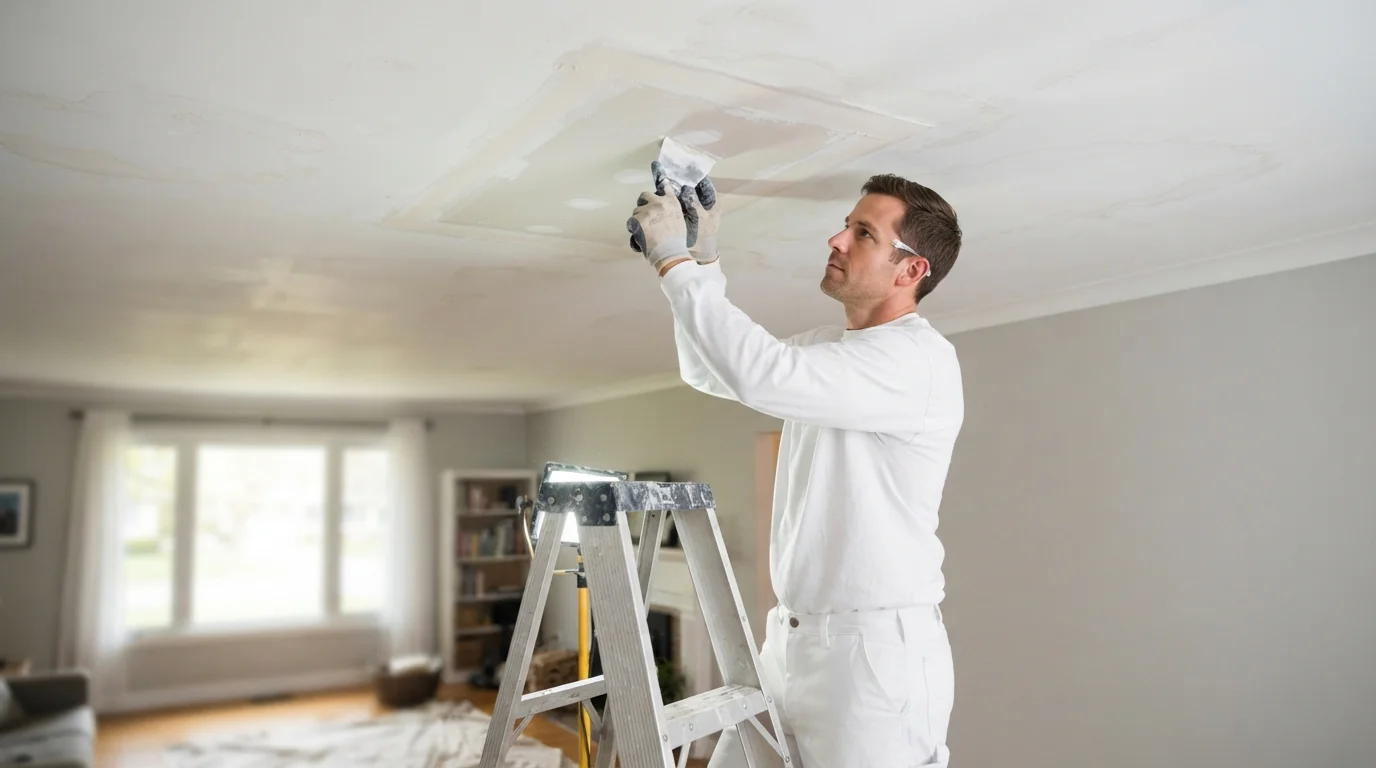
Any water dripping from or near a light fixture, ceiling fan, or visible electrical box should be treated as an immediate hazard. Flickering lights, a burning smell, discolored outlet or switch covers, or a tripped breaker in an area near a known roof leak are all signs that water may have reached electrical components. Never touch a wet switch, outlet, or fixture, and never stand in standing water near any electrical source. This applies across the Phoenix-area neighborhoods we serve, not just one part of the city.
Immediate Safe Response
If it is safe to do so without entering standing water, shut off power to the affected circuit or the main breaker for the home. If reaching the breaker panel requires walking through standing water, do not attempt it — call the utility company or fire department for assistance instead. Keep all household members, especially children, away from the affected area until power has been confirmed off and the area assessed. If you want to go deeper on this, our guide on Roof Leak or Plumbing Leak? How Restoration Techs Tell the Difference covers it well.
Do not attempt to dry or inspect electrical fixtures yourself. A licensed electrician must inspect any fixture, wiring, or junction box that was exposed to water before it is safely re-energized, since visible dryness does not confirm the internal components or connections are free of corrosion or damage. We also break this down further in Roof Leaks Caused by Solar Panel Mounting Penetrations in Phoenix.
Coordinating Electrical Inspection With Water Damage Restoration
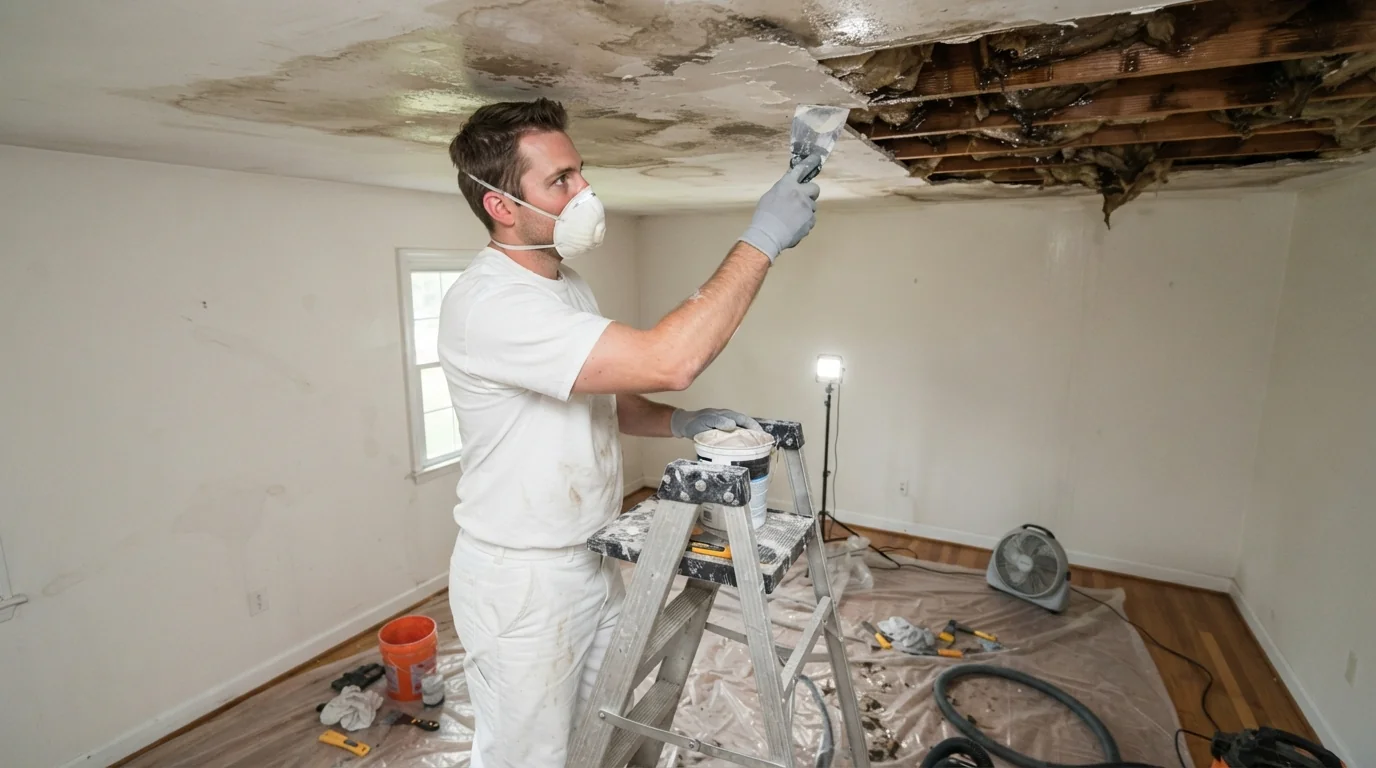
Water damage restoration crews coordinate directly with licensed electricians when a loss involves affected electrical systems. The restoration team addresses the water intrusion, drying, and material replacement, while the electrician handles inspection, testing, and any necessary rewiring or fixture replacement — these are distinct scopes of work performed by different licensed trades, working in sequence to restore the property safely. For background from an independent source, see the EPA's guidance on moisture and mold.
The Ready.gov flood preparedness guidance includes general electrical safety principles that apply to any water intrusion event involving building electrical systems. the IICRC S500 restoration standard has useful guidance on this if you want to read further.