Phoenix has one of the highest residential solar adoption rates in the country, and with that adoption has come a specific and increasingly common source of roof leak water damage: failed or improperly sealed solar panel mounting penetrations. Every solar mounting point represents a hole through the roof membrane and deck, and the long-term watertightness of that penetration depends entirely on installation quality and ongoing maintenance. We've answered a lot of related questions on answers to common questions. This applies across the Phoenix-area neighborhoods we serve, not just one part of the city.
How Solar Mounting Penetrations Are Supposed to Work
Standard residential solar installations use mounting feet lag-bolted into roof rafters or trusses, with each penetration sealed using flashing and a compatible sealant designed to shed water around the raised mounting point. When properly installed, these penetrations should remain watertight for the life of the roof — but installation quality varies significantly between solar contractors, and not every installer has deep roofing-specific expertise despite installing directly into the roof structure. If you want to go deeper on this, our guide on When a Roof Leak Becomes an Electrical Hazard in Phoenix Homes covers it well.
Common Failure Points
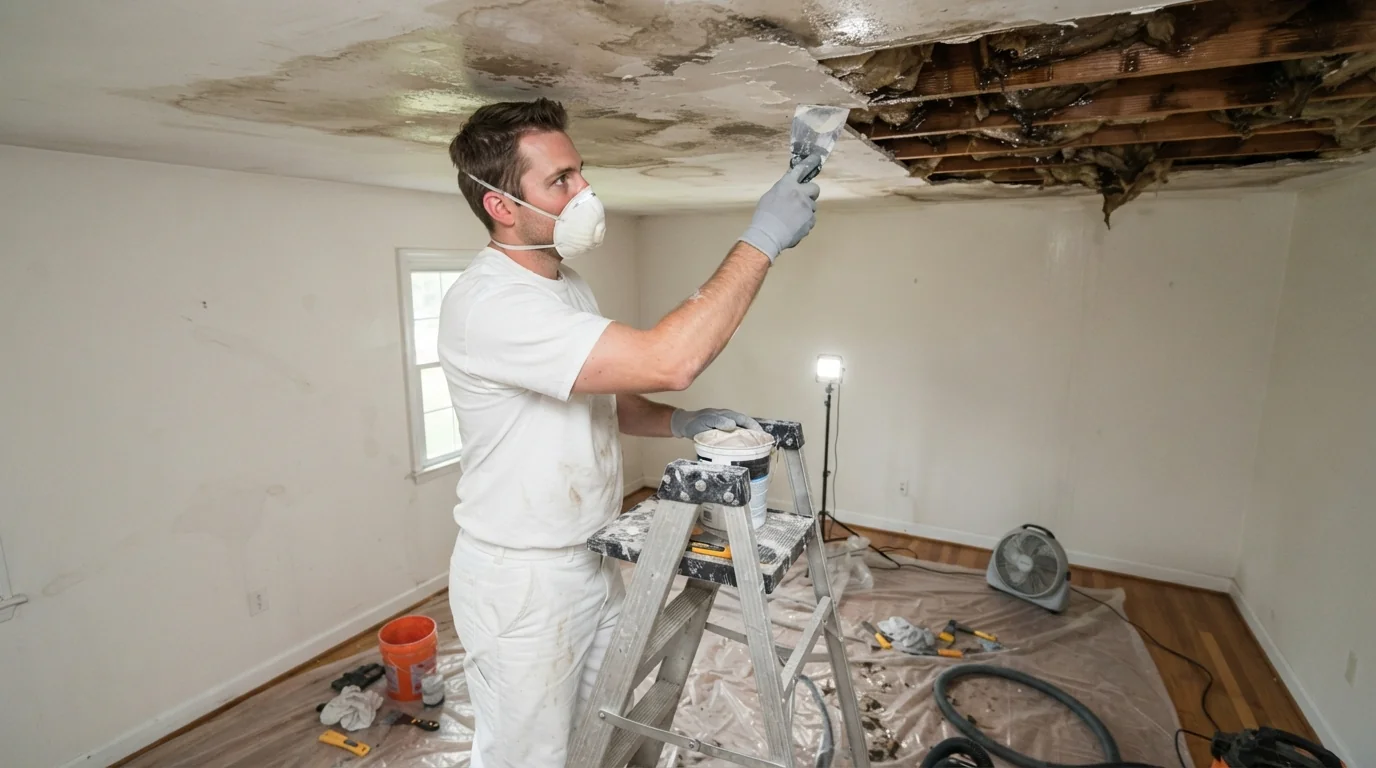
Undersized or improperly seated flashing at the mounting foot is one of the most frequent issues, allowing water to bypass the flashing detail during wind-driven rain. Sealant applied without proper flashing — sometimes used as a shortcut during installation — degrades relatively quickly under Phoenix's intense UV exposure and fails well before the panels themselves reach end of life. Improperly torqued lag bolts can also work loose over time due to thermal cycling of the mounting rail system, creating a gap at the penetration point. We also break this down further in Why Does My Roof Keep Leaking in the Same Spot? Phoenix Homeowners' Guide.
Why These Leaks Can Be Hard to Notice
Solar panels themselves obscure direct visual inspection of the mounting points and surrounding roof surface from above, meaning a developing leak at a mounting penetration can go unnoticed far longer than a leak on an open roof area that would be visible during routine inspection. This makes interior warning signs — ceiling staining, attic moisture, or musty odors — particularly important to monitor in homes with rooftop solar. For background from an independent source, see the EPA's guidance on moisture and mold.
Repair Complexity With Solar Systems Present
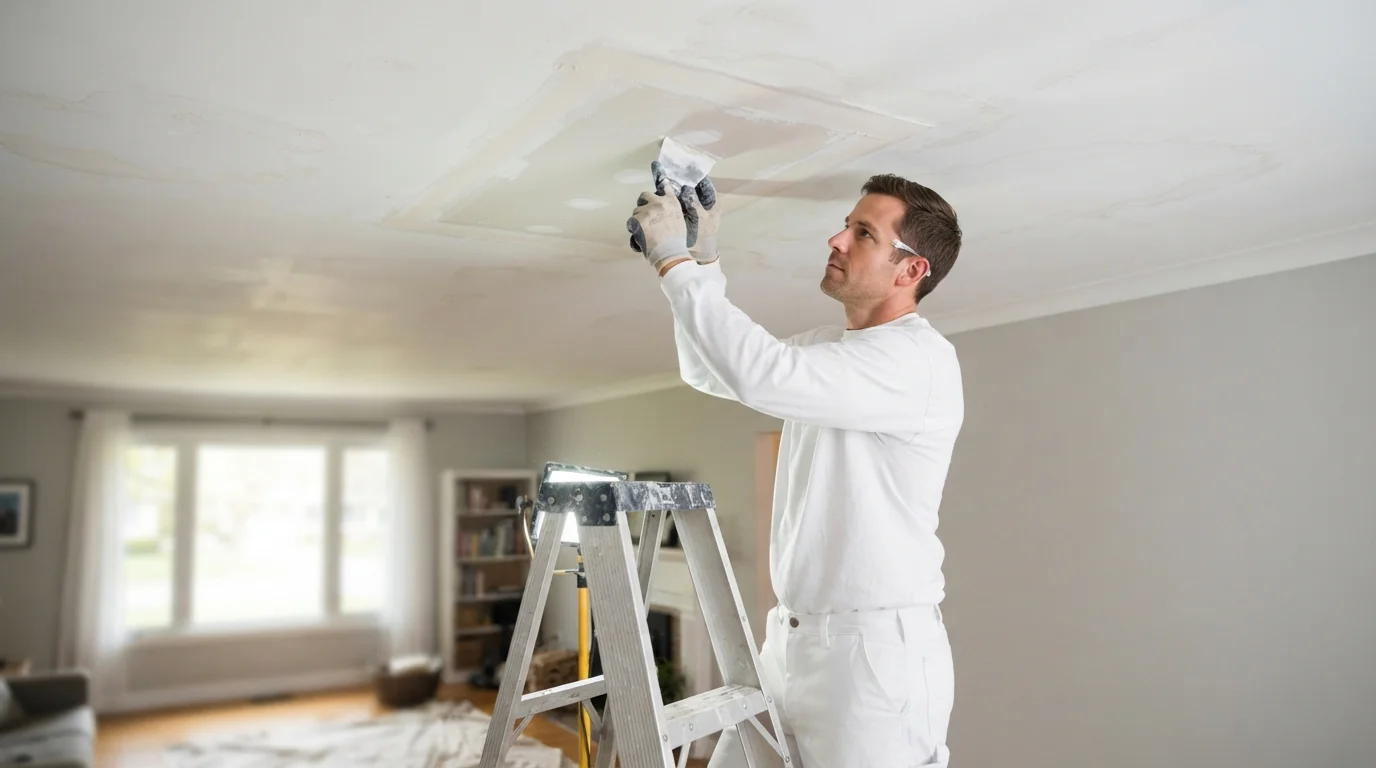
Repairing a leak at a solar mounting point typically requires coordination between the solar installer or a qualified solar-roofing specialist (to safely detach and reattach the mounting hardware and panel wiring) and a roofing contractor (to properly reflash and reseal the roof deck penetration). This coordination adds complexity and often additional time compared to a standard roof leak repair, since panels and their electrical connections must be handled by someone qualified to work with an active solar system. the IICRC S500 restoration standard has useful guidance on this if you want to read further.
Prevention Through Installation Quality and Inspection
Choosing a solar installer with documented roofing expertise, or one that partners with a licensed roofing contractor for the mounting work specifically, reduces the likelihood of penetration failures. Existing solar installations benefit from periodic inspection of accessible mounting points and continued monitoring of interior ceiling areas beneath the panel array, particularly ahead of monsoon season. You can also review the Insurance Information Institute's claims overview for an outside perspective on this.