One of the first questions homeowners ask after a water damage event is 'how much is this going to cost?' The honest answer is that water damage restoration cost in Phoenix varies enormously based on five primary factors: the size of the affected area, the water category (clean, grey, or black water), the materials affected, how quickly restoration begins, and whether structural demolition is required. Ranges of $300–$500 for a very small clean-water event to $20,000 or more for a large sewage or commercial event are both realistic — and almost every job falls somewhere on that spectrum based on its specific circumstances.
The Five Primary Cost Drivers
Square footage is the most direct cost driver in water damage restoration. Extraction equipment, drying equipment, antimicrobial treatment, and technician time all scale with the area affected.
Water category significantly affects cost. Category 1 (clean water) events allow for simplified protocols — many materials can be dried in place, decontamination is not required, and material replacement rates are lower.
How quickly restoration begins directly affects cost. A clean-water pipe burst that is professionally extracted within 2–4 hours may require 3–5 days of drying and minimal demolition — total cost in the $800–$2,500 range depending on area. the IICRC S500 standard sets the procedural benchmark restoration companies are expected to follow.
Realistic Cost Ranges by Event Type
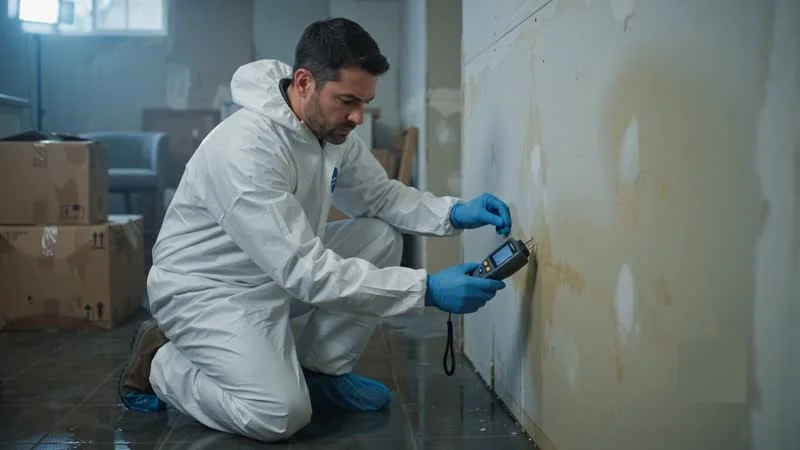
Minor clean-water event (single room, limited saturation, fast response): $500–$1,500. This range covers a single-room appliance leak discovered within hours, affecting carpet and possibly sub-floor in a limited area, requiring extraction, 3–5 days of drying equipment, and basic antimicrobial treatment.
Moderate event (multiple rooms or materials, some demolition): $1,500–$5,000. This range covers most typical Phoenix water damage events — a burst pipe affecting 2–4 rooms, an HVAC overflow affecting a ceiling assembly and the room below, or a washing machine failure affecting the laundry room, hallway, and adjacent bedroom.
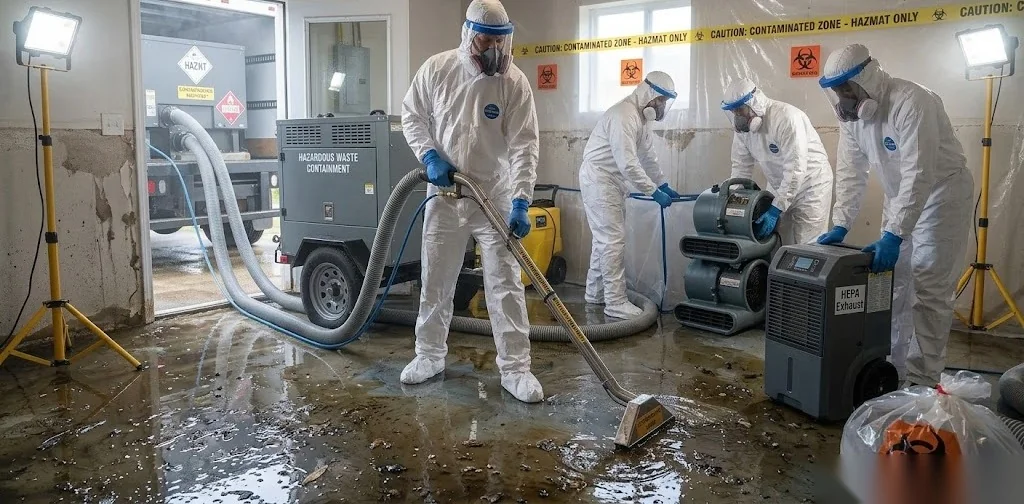
Major event (large area, structural demolition, contamination): $5,000–$15,000+. This range covers large-scale Phoenix flood events, sewage backup events with extensive material contact, multi-room flooding with hardwood floor systems, or commercial events.
What Is and Is Not Included in Restoration Pricing
Water damage restoration pricing covers the mitigation phase: extraction, structural drying, limited demolition of non-salvageable materials, and antimicrobial treatment. It does not typically include the reconstruction phase — replacing drywall, installing new flooring, painting, or finishing. the EPA provides background on how moisture control prevents mold growth in buildings.
Equipment fees are a standard component of restoration invoices — fees for the daily rental of air movers, dehumidifiers, and specialty drying equipment are legitimate line items that are accepted by insurance adjusters. These fees reflect the real cost of deploying industrial equipment at scale.
Emergency service charges — fees for work performed outside standard business hours — are common in restoration and are generally covered by insurance for genuine emergency events. Mitigation work started at 11 p.m. after a monsoon storm or a discovered burst pipe may carry an emergency dispatch fee.
Working With Insurance to Manage Costs
For most mid-range and major Phoenix water damage events, homeowners insurance significantly reduces out-of-pocket cost. The claim process begins with your notification to the insurer, followed by an adjuster visit to document the scope. FEMA's National Flood Insurance Program explains how the National Flood Insurance Program covers flood losses.
Your deductible is the one guaranteed out-of-pocket expense in a covered claim. Phoenix homeowners insurance deductibles typically range from $500–$2,500 depending on the policy, with separate wind/hail deductibles in some policies that may apply to monsoon events.
Supplemental claims — filed when the initial payment does not cover the full documented scope of work — are a normal part of the restoration and insurance process. Restoration companies experienced in insurance work file supplements routinely when field conditions reveal scope items that were not visible at the time of the initial adjuster inspection.