Water damage prevention is not a single action — it is an annual discipline of inspecting and maintaining the specific components most likely to fail and cause water intrusion in Phoenix properties. The maintenance items on this checklist address the leading causes of Phoenix water damage events: plumbing supply line failures, HVAC condensate overflow, roof penetration failures, appliance connection failures, and building envelope deterioration from UV exposure and thermal cycling.
Plumbing and Supply Lines
Inspect every flexible supply hose in the property — under sinks, behind toilets, at the washing machine, and behind the refrigerator. Replace any hose showing cracking, kinking, or mineral buildup at the connections. Read more about our team and certifications if you want to know who will be showing up at your door.
Locate and operate every water shut-off valve in the property annually to ensure they are functional. Valves that have not been operated in years may seize open, making emergency shut-off impossible when needed.
Check accessible plumbing connections under all sinks and in utility areas for signs of dripping, mineral deposits, or staining that indicates a slow leak. Run each faucet at full pressure while watching the supply line connections for seepage. the IICRC S500 standard sets the procedural benchmark restoration companies are expected to follow.
HVAC System
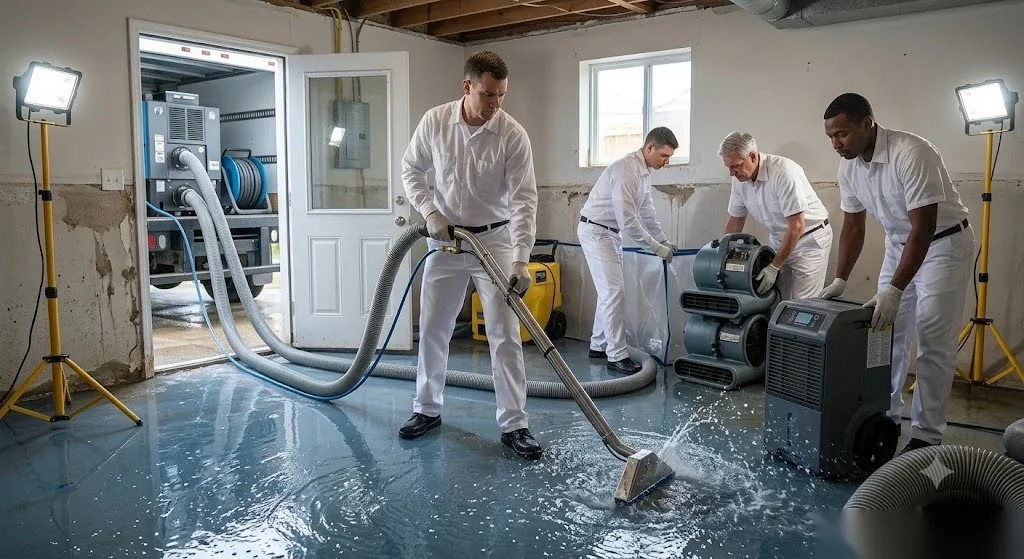
Clean or have cleaned the primary condensate drain line at the air handler before monsoon season. A wet/dry vacuum applied at the exterior drain discharge end pulls accumulated sludge from the line.
Inspect the condensate drain pan beneath the air handler for cracks, rust-through, or pooled water. A small amount of residual water in the pan is normal; standing water above the pan edge or any visible damage to the pan requires immediate HVAC service. If a situation like this is happening right now, you can request emergency service and we'll get moving.
Verify that the secondary overflow protection for your air handler is functional. If the unit has a secondary drain pan, confirm it drains to an appropriate discharge point.
Roof and Building Envelope
Inspect all rooftop HVAC unit curb flashings for cracks, separations, or lifted edges. These are the single highest-risk roof penetration type for monsoon water intrusion in Phoenix flat and low-slope roofs. the EPA provides background on how moisture control prevents mold growth in buildings.
Check all window and door exterior perimeter sealants for cracking or separation. Phoenix's UV environment degrades exterior sealants on a 3–5 year cycle — reapplication with a quality exterior caulk before monsoon season prevents wind-driven rain intrusion through frame gaps.
Clean all roof drains, scuppers, and gutters before monsoon season. In Phoenix, desert dust, blown debris, and bird nesting material accumulate in drainage systems throughout the dry spring season. If you want to go deeper on this, our guide on Content Pack-Out During Phoenix Water Damage Restoration covers it well.
Appliances and Equipment
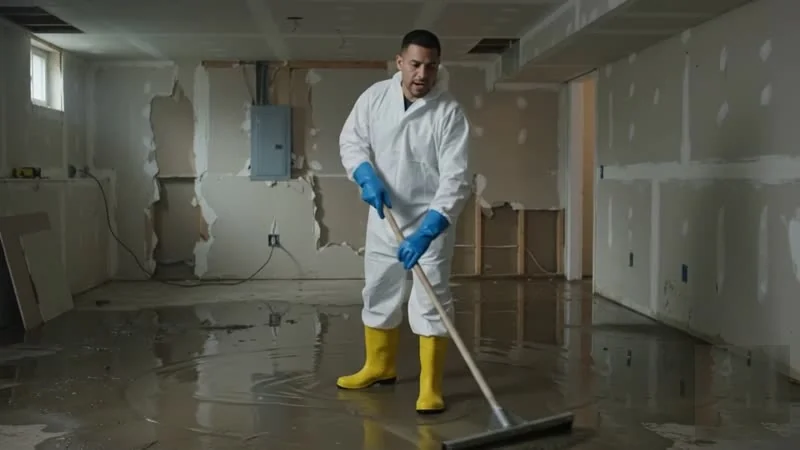
Inspect the washing machine supply hoses and drain hose annually. Water the drain hose sits properly in the standpipe or drain connection without gaps that could allow overflow discharge to miss the drain. FEMA's National Flood Insurance Program explains how the National Flood Insurance Program covers flood losses.
Inspect the dishwasher for slow drain issues — if the dishwasher is not draining completely at the end of cycles, clean the filter and check the drain hose connection to the disposal or drain. A partially blocked drain can cause overflow during the drain cycle, particularly in older dishwashers whose overflow protections have deteriorated.
Have the water heater inspected if it is more than 8 years old. Water heaters in Phoenix's mineral-rich water environment can develop sediment buildup and anode rod deterioration faster than in areas with softer water.