Why Water Heater Area Pipe Bursts Are Different
A burst pipe near a water heater often involves hot water rather than the cold water line, which raises the risk of scalding during discovery and requires extra care when shutting off the supply. It's also common for the failure to occur at one of the flexible supply connections to the tank itself rather than in the rigid pipe leading to it, since these connections see more thermal expansion and contraction over time. If cost is on your mind, how our pricing works breaks down what typically drives the number up or down. We've answered a lot of related questions on answers to common questions.
Shutting Off Water and Power Safely
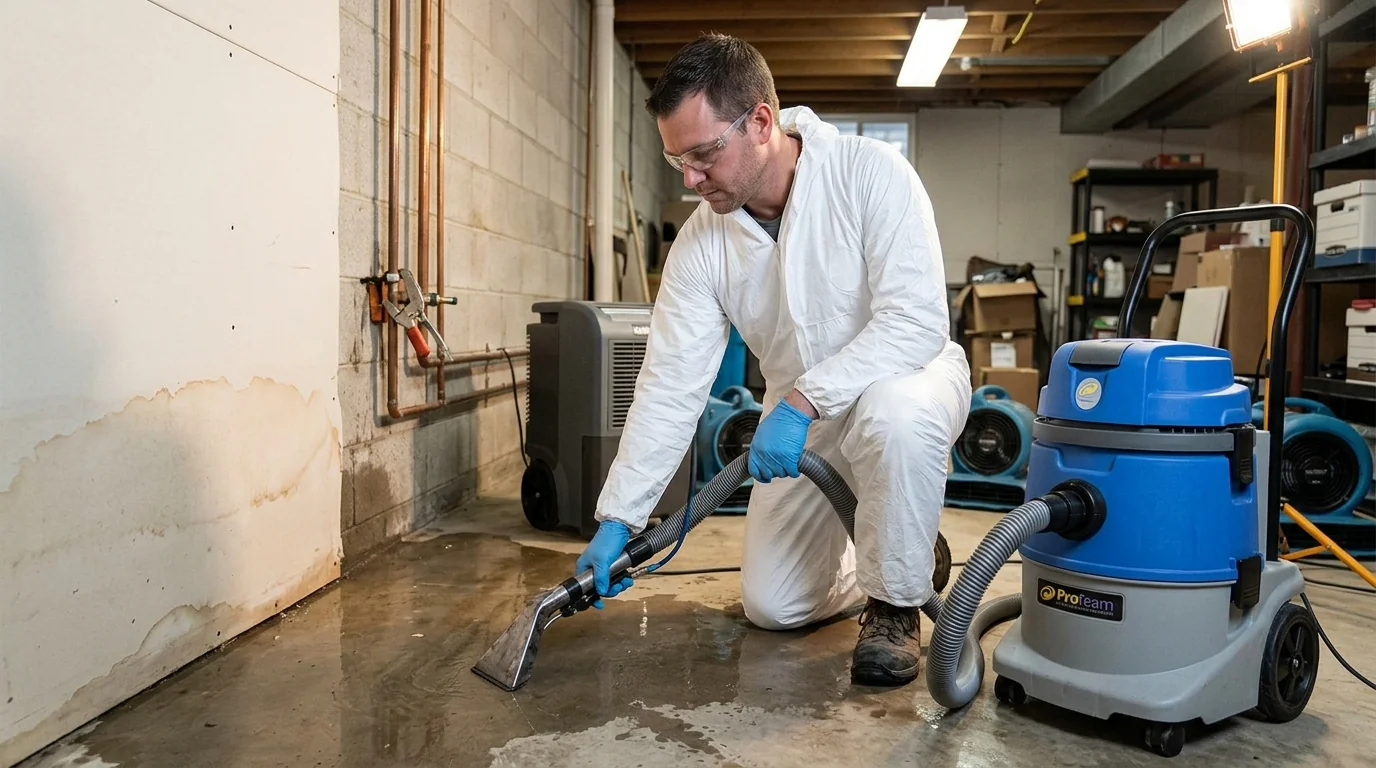
For a burst pipe near a gas water heater, shut off both the cold water supply valve at the top of the tank and, if accessible safely, the gas supply, since a continuously running burner with a drained or partially drained tank can be a safety issue. For an electric water heater, shut off power at the breaker before addressing the water, since standing water near an electric tank's connections is an electrocution risk. If you want to go deeper on this, our guide on Extraction After a Water Heater Failure: What Phoenix Homeowners Should Know covers it well. We also break this down further in Burst Pipe Repair After Rare Phoenix Freeze Events.
Assessing Damage to the Water Heater Itself
If floodwater reached the water heater's control valve, thermostat, or electrical connections, it needs to be inspected by a licensed plumber before being put back into service, even if the tank itself appears undamaged. Water heaters located in a garage or closet often mean the surrounding storage items and flooring absorb a disproportionate amount of the water and need equal attention during restoration. For a related situation, see our post on Burst Pipe Repair for Slab Leaks in Phoenix Homes. For background from an independent source, see the IICRC S500 restoration standard.
Restoration Around Confined Water Heater Spaces
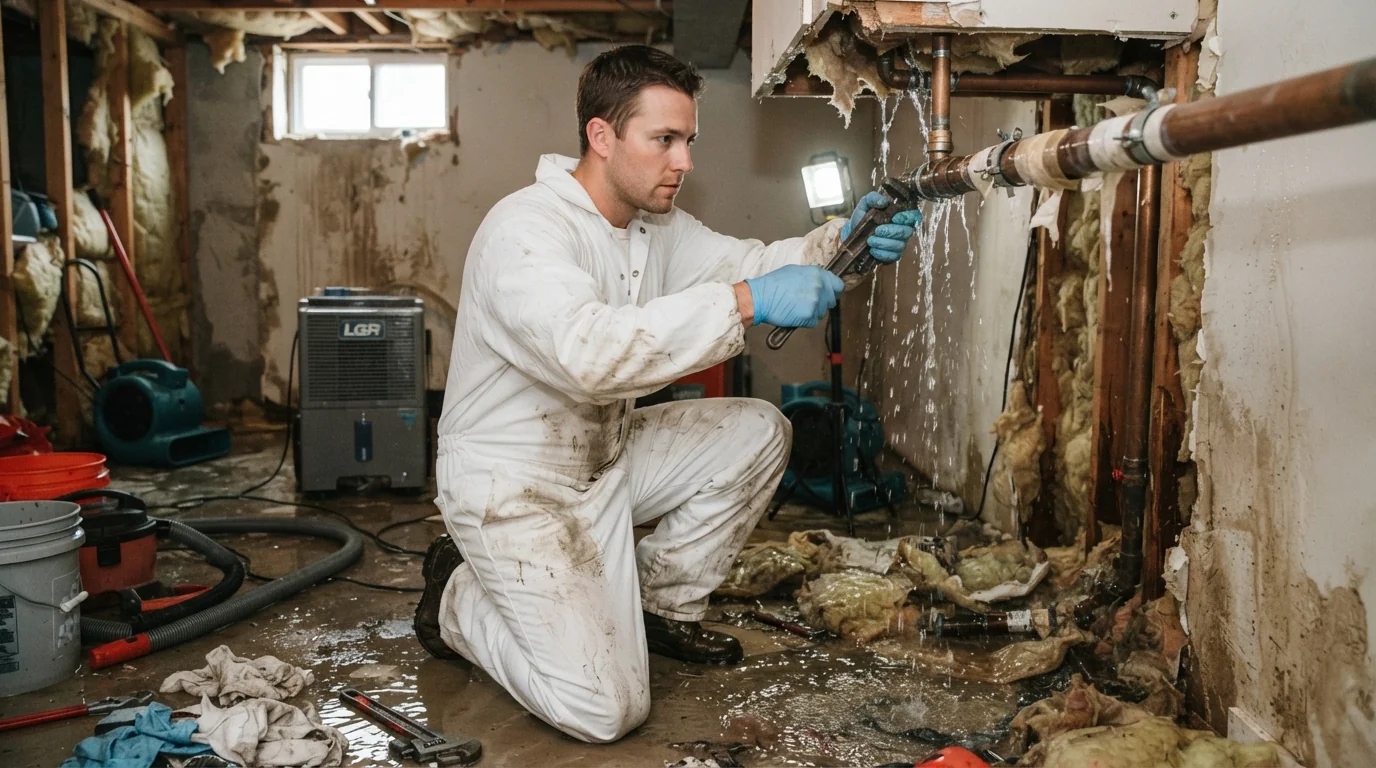
Water heater closets and garages are typically tight spaces with limited airflow, which makes them slower to dry naturally than open rooms. Restoration crews often use targeted air movement and, where needed, portable dehumidification specifically for these confined areas to bring them to a proper dry standard. FEMA's National Flood Insurance Program has useful guidance on this if you want to read further. You can also review the Insurance Information Institute's overview of water damage claims for an outside perspective on this.