Extraction and Equipment Line Items
Most estimates start with water extraction, charged by square footage or hours, followed by equipment rental lines for air movers and dehumidifiers, typically billed per unit per day. More units generally means faster drying, though it also means a higher daily equipment total — ask what drying timeline the unit count is based on. If a situation like this is happening right now, you can request emergency service and we'll get moving. It's worth browsing our full list of restoration services to see which one matches what you're dealing with.
Demolition and Material Removal
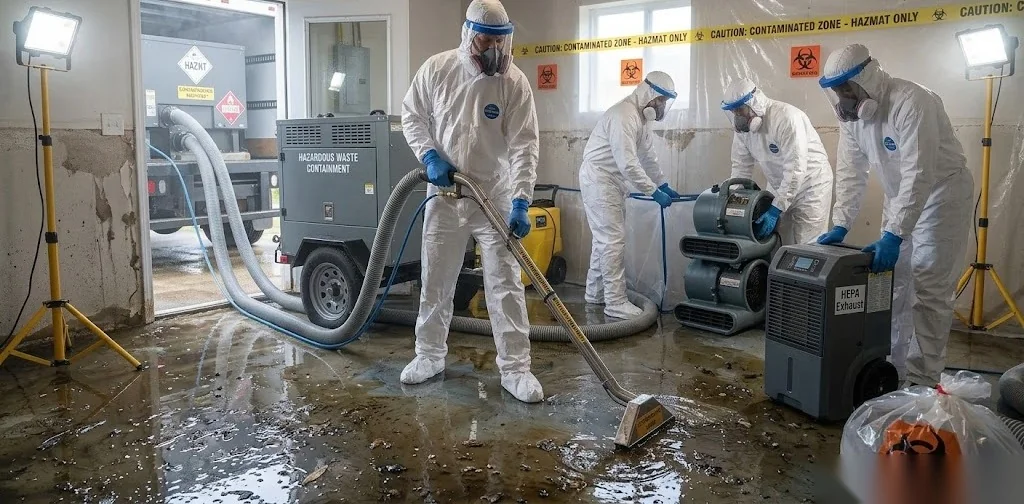
Anything that can't be dried in place — soaked carpet pad, saturated drywall below a certain height, ruined baseboards — appears as separate demolition and disposal line items. This is where estimates can vary widely between companies, since one may try to dry more materials in place while another defaults to removal. If you want to go deeper on this, our guide on Pool and Spa Leaks: An Underestimated Water Damage Source in Phoenix covers it well. We also break this down further in Does Homeowners Insurance Cover Water Damage in Arizona?.
Monitoring and Labor Charges
Daily monitoring visits, where a technician checks moisture readings and adjusts equipment, are usually billed separately from the initial extraction visit. This ongoing labor is what verifies the structure is actually drying on schedule rather than just running equipment and hoping. For background from an independent source, see the Insurance Information Institute's overview of water damage claims. the Arizona Department of Insurance and Financial Institutions has useful guidance on this if you want to read further.
Antimicrobial, Sanitizing, and Final Steps
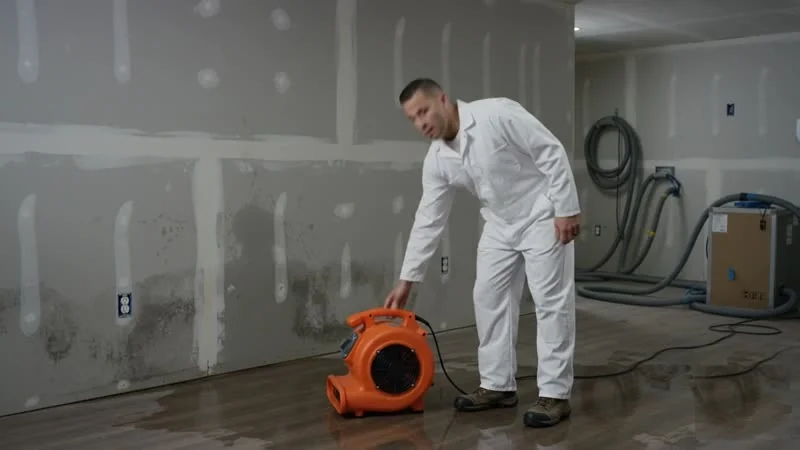
For anything above Category 1 clean water, expect an antimicrobial application line before the job is considered complete. The final line items usually cover a completion inspection and final moisture verification — ask for this in writing since it's your documentation that drying actually finished. You can also review FEMA's National Flood Insurance Program for an outside perspective on this.