Why Phoenix Homes Are More Vulnerable to Freeze Damage Than Colder Climates
Homes in consistently cold climates are typically built with insulated, interior-run plumbing specifically to prevent freezing. Phoenix homes are generally not built with this same level of freeze protection, since hard freezes are rare — which means the occasional freeze event, however brief, can put exposed or exterior-run pipes at real risk, particularly in outdoor spigots, pool equipment lines, and pipes running through uninsulated exterior walls or attics. We've answered a lot of related questions on answers to common questions. This applies across the Phoenix-area neighborhoods we serve, not just one part of the city.
Which Pipes Are Most at Risk During a Phoenix Freeze
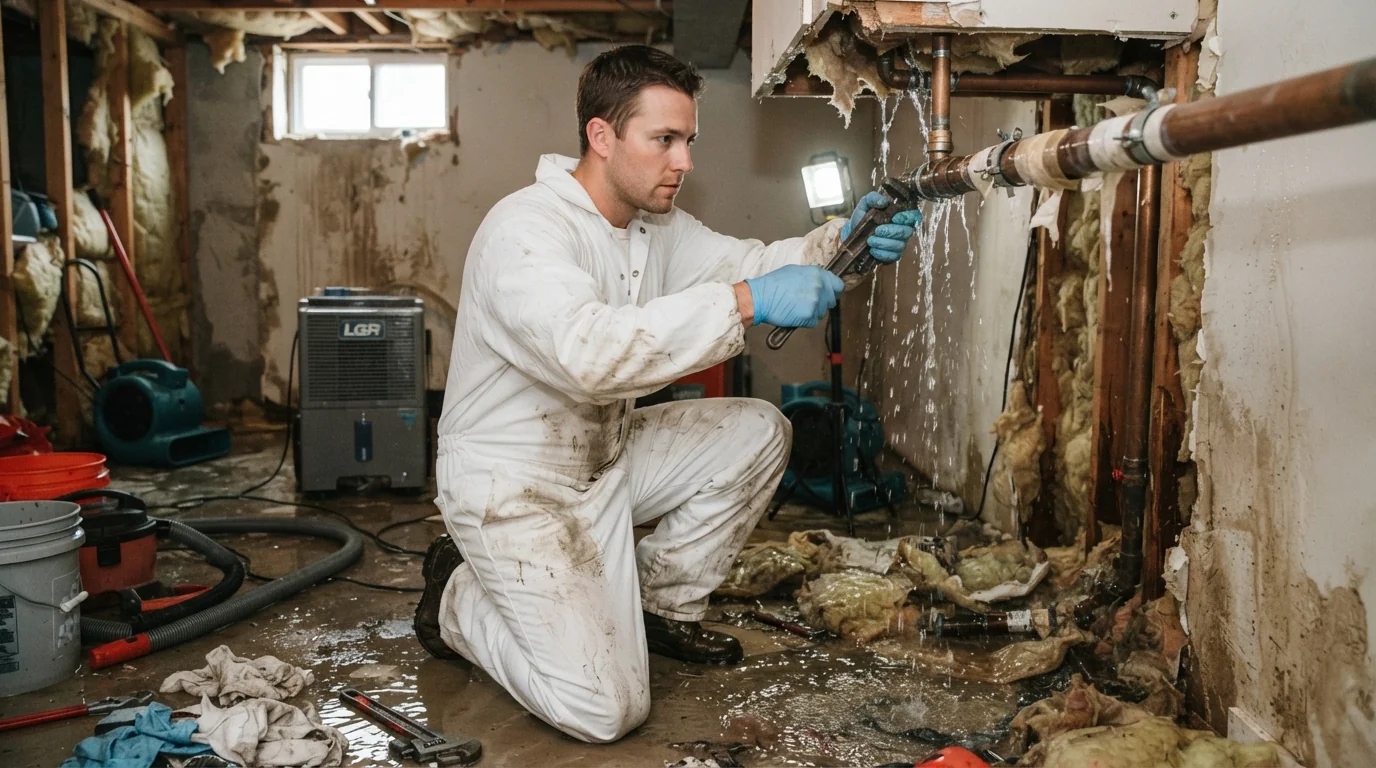
Exterior hose bibs and irrigation lines are typically the most exposed and most commonly affected, since they have no insulation and are directly exposed to outside air. Pipes running through garages, attics, or exterior walls without adequate insulation are also at elevated risk during a hard freeze, compared to interior plumbing runs that are buffered by the conditioned space of the home. If you want to go deeper on this, our guide on The Burst Pipe Repair Process: From Discovery to Full Restoration covers it well. We also break this down further in Slab Leaks and Water Damage in Phoenix Homes.
What Freeze-Related Burst Pipe Repair Involves
The repair process itself follows the same core steps as any burst pipe repair — stopping the water, extracting and drying affected areas, and repairing or replacing the failed section of pipe — but freeze events often affect multiple exposed pipes on a property simultaneously, rather than a single isolated failure, which can mean a broader initial assessment is needed to find every affected line. For a related situation, see our post on Burst Pipe Repair Near Water Heaters: Special Considerations. For background from an independent source, see the IICRC S500 restoration standard.
Preventing Freeze Damage Before the Next Cold Snap
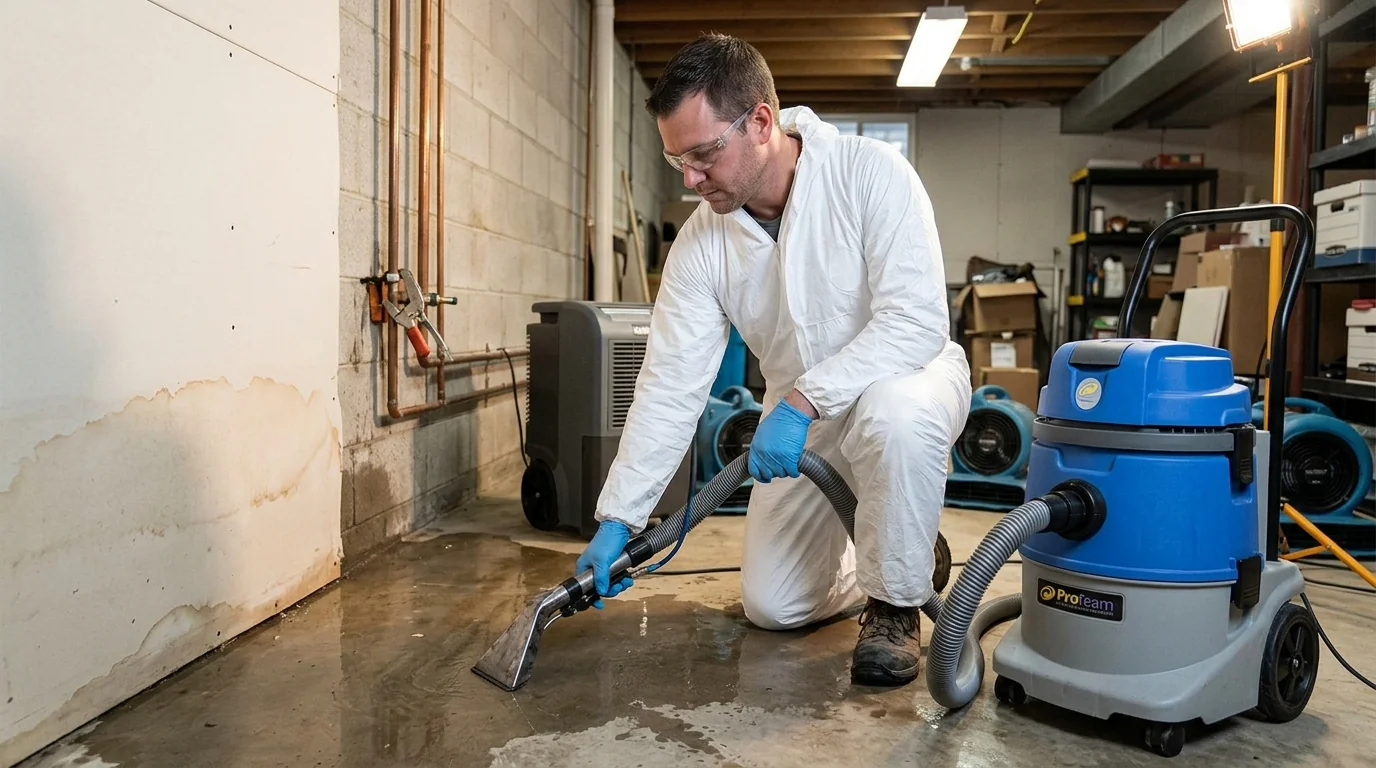
Insulating exposed pipes, disconnecting and draining hoses from exterior spigots before a forecasted freeze, and allowing a slow drip from faucets on exterior-facing walls during a hard freeze warning are all practical steps Phoenix homeowners can take. Because freeze events are infrequent, it's easy to forget this preparation — setting a reminder ahead of Arizona's occasional winter cold snaps is worth the small effort. FEMA's National Flood Insurance Program has useful guidance on this if you want to read further. You can also review the Insurance Information Institute's overview of water damage claims for an outside perspective on this.