Day One: Emergency Response and Extraction
The flood damage repair timeline begins the moment you call. A Phoenix crew typically arrives within 60 minutes of an emergency call, moving directly into water extraction using truck-mounted or portable extraction units. The goal on day one is to remove as much standing water as possible before it migrates further into walls, cabinetry, and subfloor materials.
Once extraction is complete, technicians place air movers and dehumidifiers throughout the affected area and take initial moisture readings to establish a baseline for tracking the drying progress over the following days. We've answered a lot of related questions on answers to common questions.
Days Two Through Four: Structural Drying
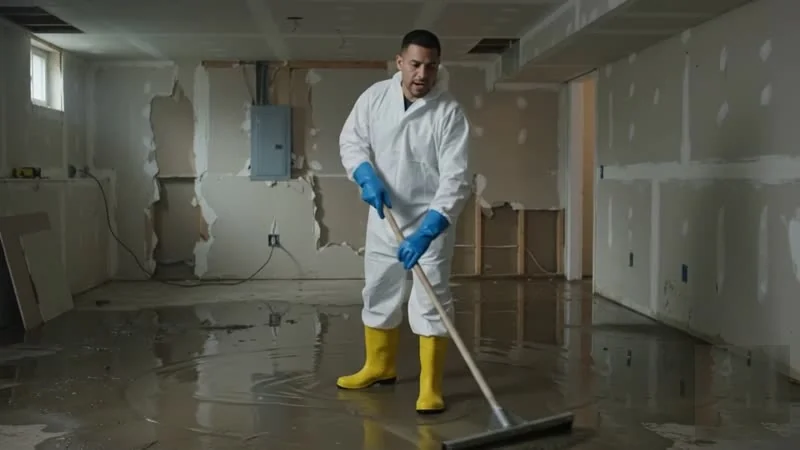
This is typically the longest phase of a flood damage repair project. Equipment runs continuously, and a technician returns daily to monitor moisture levels in walls, flooring, and framing, adjusting equipment placement as areas dry unevenly. Phoenix's low humidity is an advantage here — desert air accelerates evaporation compared to more humid climates. This applies across the Phoenix-area neighborhoods we serve, not just one part of the city.
Materials that cannot be dried in place, such as saturated drywall below the flood line or ruined carpet padding, are typically removed during this phase to prevent mold growth and to speed the drying of the structure behind them. If you want to go deeper on this, our guide on Weekend & Holiday Flood Extraction: Is 24/7 Service Really Available in Phoenix? covers it well.
Days Four Through Six: Verification and Reconstruction Planning
Once moisture readings return to normal, dry-standard levels for the affected materials, the drying equipment is removed and a final moisture verification is documented. This documentation becomes part of the insurance file and confirms the property is ready for reconstruction to begin. For background from an independent source, see the National Weather Service Phoenix office.
At this stage, the restoration company typically provides a reconstruction scope covering drywall replacement, flooring, paint, and any trim work needed to return the space to pre-loss condition. FEMA's National Flood Insurance Program has useful guidance on this if you want to read further.
Week Two and Beyond: Reconstruction

Reconstruction timing depends on the extent of the damage. A single room with drywall and flooring replacement might be completed within a week. A whole-house flood involving multiple rooms, cabinetry, and finish work can take several weeks to a few months, particularly if custom materials need to be special-ordered. You can also review the Red Cross flood safety guidance for an outside perspective on this.
Staying in close communication with your project manager during this phase helps keep the schedule on track and lets you plan around material lead times.