Phoenix homeowners often ask whether the desert climate gives structural drying a natural head start compared to more humid regions of the country. The honest answer is: partly, but not in the way most people expect.
Where the Dry Climate Advantage Is Real
Low ambient outdoor humidity does reduce the load on dehumidification equipment in certain configurations, and it's part of why LGR dehumidifiers often perform efficiently in Phoenix conditions. In scenarios where some fresh air exchange is part of the drying strategy, dry outdoor air genuinely helps rather than hinders the process. For background from an independent source, see the IICRC S500 restoration standard.
Why the Drying Chamber Doesn't Feel the Outdoor Climate
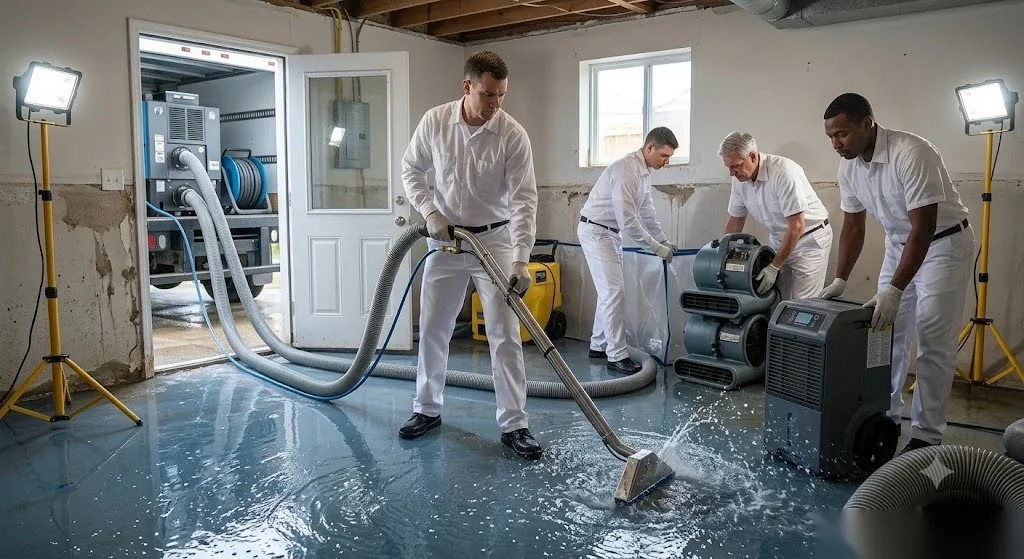
A properly contained drying chamber is sealed off from outdoor air specifically to allow controlled psychrometric management, which means the chamber's internal humidity is driven primarily by active evaporation from wet materials, not by conditions outside. In other words, the humidity your equipment is fighting inside the chamber is created by the water damage itself, largely independent of how dry it is outside that day. the EPA's moisture control guidance has useful guidance on this if you want to read further.
Materials Don't Dry Faster Just Because of Regional Climate
The physical properties that determine how quickly concrete, wood, or drywall release moisture — density, porosity, thickness — are the same regardless of geographic location. A concrete slab in Phoenix still follows the same slow drying timeline as a comparable slab anywhere else, because slab drying is governed by the material's physics, not the local weather.
Where Phoenix's Climate Can Actually Work Against Drying
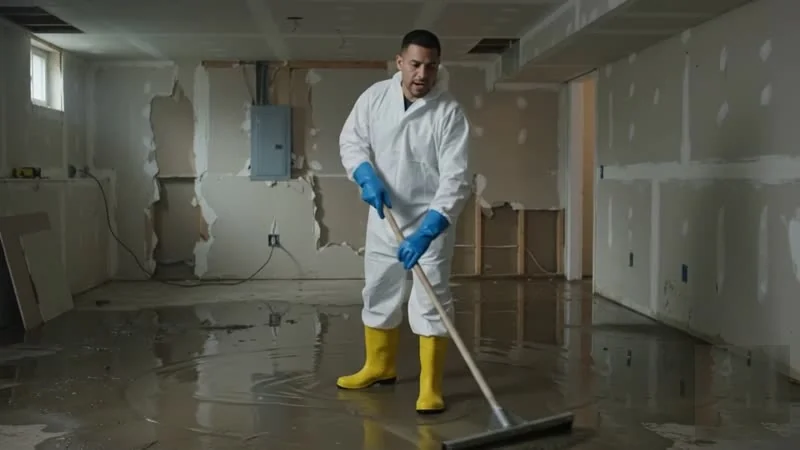
During monsoon season, sudden spikes in outdoor humidity can complicate any drying strategy that relies on fresh air exchange, and extreme summer heat can create challenging working conditions in unconditioned spaces like attics and crawl spaces, as covered in our attic drying guide. You can also review the Department of Energy's ventilation and humidity guidance for an outside perspective on this.
The Bottom Line for Phoenix Homeowners
Phoenix's climate offers a modest efficiency advantage for certain equipment and strategies, but it doesn't replace the need for a properly calculated, professionally managed drying program. Assuming 'it's dry outside, so it'll dry fast' is one of the more common — and costly — misconceptions our science-of-drying guide addresses directly.