Mold is the consequence that makes water damage restoration a time-critical emergency rather than a scheduled repair. In Phoenix's warm climate — where even winter indoor temperatures remain above 60°F and summer temperatures routinely exceed 85°F indoors without air conditioning — the 24–48 hour window between water damage and the onset of mold growth is an honest and reliable timeframe, not a scare tactic.
The Biology of Mold Growth After Water Damage
Mold is a fungus that reproduces through microscopic spores that are continuously present in the air of virtually every indoor environment — including Phoenix homes and businesses. Under normal conditions, these spores settle on surfaces but do not germinate because the moisture content of building materials is too low to support fungal growth.
The initial germination and growth phase is not visible to the eye — mold begins developing microscopically in the material fibers before any surface discoloration appears. By the time visible mold is evident on a surface, the colony has typically been developing for 24–72 hours and has already penetrated the material to some depth.
How to Prevent Mold After Water Damage
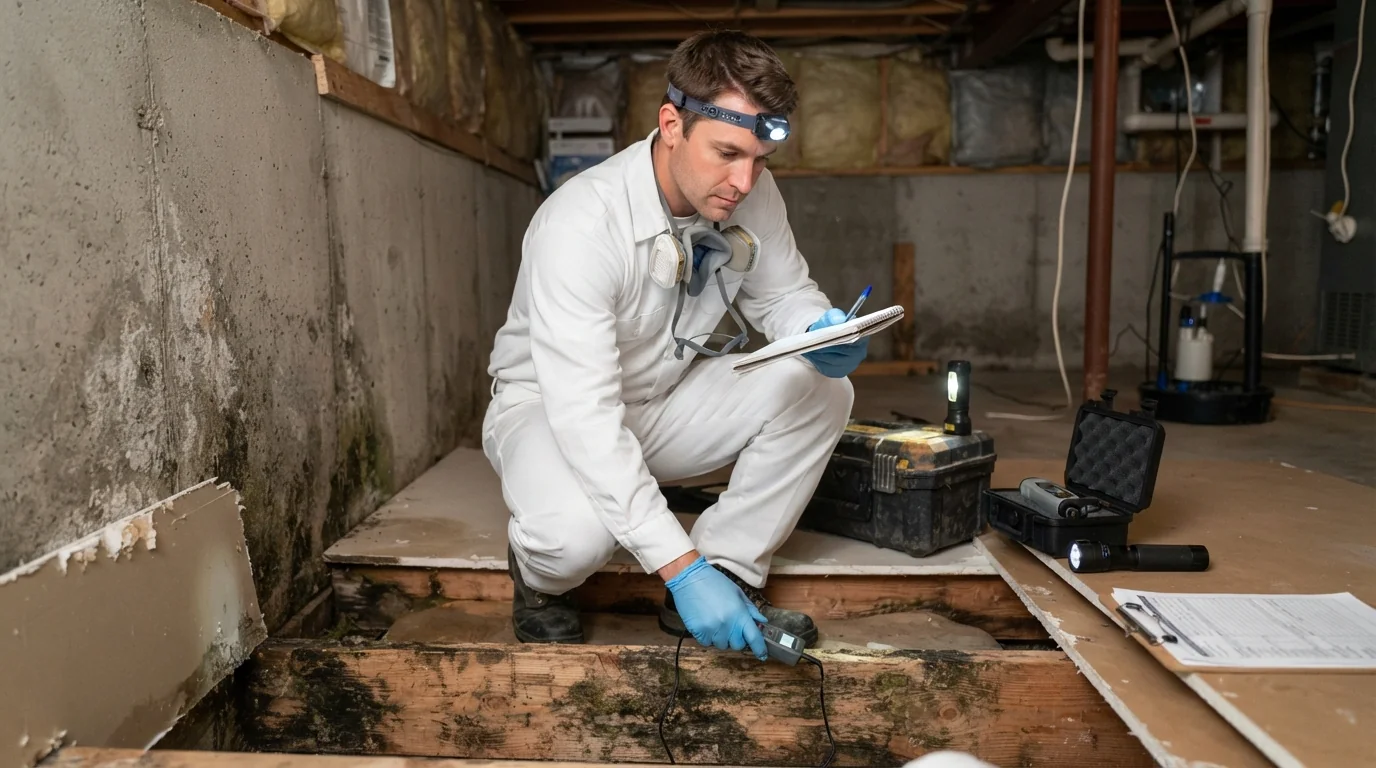
The most effective mold prevention after a water damage event is professional extraction and drying that begins within 24 hours of the event. Removing standing water reduces the surface moisture available for mold germination; structural drying equipment then drives the moisture content of building materials below the mold growth threshold before germination can occur. EPA mold cleanup guidance outlines the recommended steps for safely cleaning up mold in a home.
Antimicrobial treatment applied as part of professional restoration provides a chemical barrier against mold germination on surfaces after the drying program is complete. EPA-registered antimicrobial agents are applied to all affected structural surfaces — framing, sub-floor, wall cavities opened for drying — at the conclusion of the drying program and before any reconstruction begins.
What to Do When Mold Is Already Present
If mold is visible in a Phoenix property — whether discovered during water damage investigation or independently — resist the impulse to clean it yourself with bleach or consumer products. Disturbing mold without containment spreads spores throughout the property, potentially contaminating areas that were previously mold-free.
Professional mold remediation begins with containment — isolating the affected area with plastic sheeting barriers and placing it under negative air pressure with HEPA-filtered air scrubbers. This prevents spore migration to unaffected areas during the physical removal of mold-affected materials. the CDC explains the health effects associated with mold exposure.
After material removal, all remaining structural surfaces in the remediation area are HEPA-vacuumed to remove residual spores, then cleaned with appropriate antimicrobial agents, then treated with an encapsulant where appropriate for the surface type. Air scrubbers with HEPA filters run continuously during remediation and for a post-remediation period to capture airborne spores.
Phoenix-Specific Mold Risk Factors
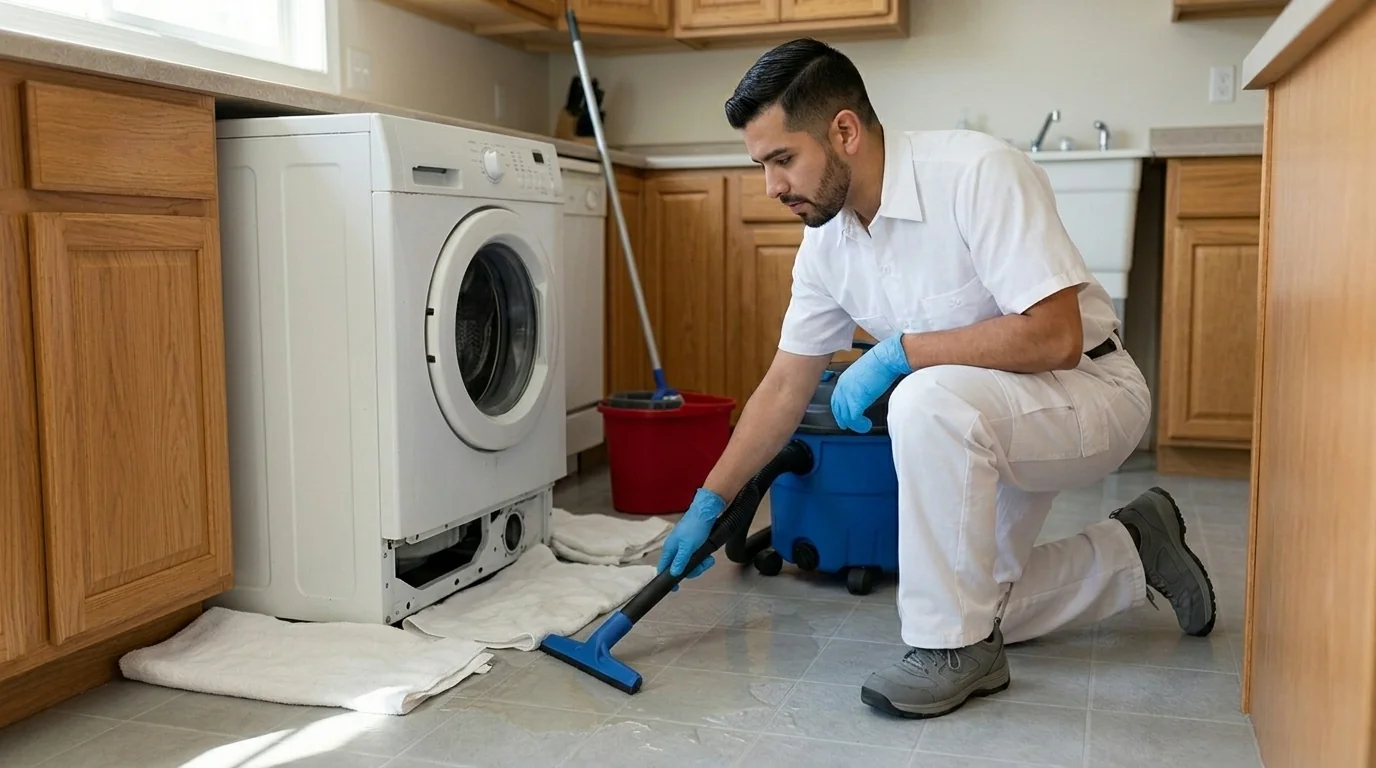
Several characteristics of Phoenix construction and climate create specific mold risk factors that property owners should be aware of. First: Phoenix's stucco exterior finish system, while well-suited to the desert climate when properly maintained, is vulnerable to moisture infiltration when exterior waterproofing or paint fails. the IICRC S500 standard sets the procedural benchmark restoration companies are expected to follow.
Second: Phoenix's high-use air conditioning systems create elevated condensation risk at the air handler and in the ductwork near the unit. Evaporator coils that are undersized for the cooling load, improperly insulated ducts in unconditioned attic spaces, and drain pans that are not regularly cleaned all create chronic moisture conditions in and around HVAC systems — conditions that frequently support mold growth in attic and air handler areas that are not regularly inspected.
Third: Phoenix's monsoon season creates brief but intense interior humidity conditions that can support mold growth in poorly ventilated areas — attics, crawl spaces, and enclosed storage areas — even without a specific water damage event. Ensuring adequate attic ventilation and monitoring humidity in enclosed spaces during monsoon season (maintaining indoor relative humidity below 50–55%) reduces the risk of ambient-humidity-driven mold growth in these locations.