Structural drying is typically the largest line item in a water damage restoration invoice, and understanding what drives its overall cost helps you evaluate an estimate with confidence.
Affected Square Footage
The size of the drying chamber directly drives equipment count, since air mover and dehumidifier calculations scale with the linear footage of wet wall and square footage of wet flooring, as covered in our equipment placement guide. Larger affected areas simply require more units running for the duration of the program. For background from an independent source, see the Insurance Information Institute's overview of water damage claims.
Water Category and Contamination Level
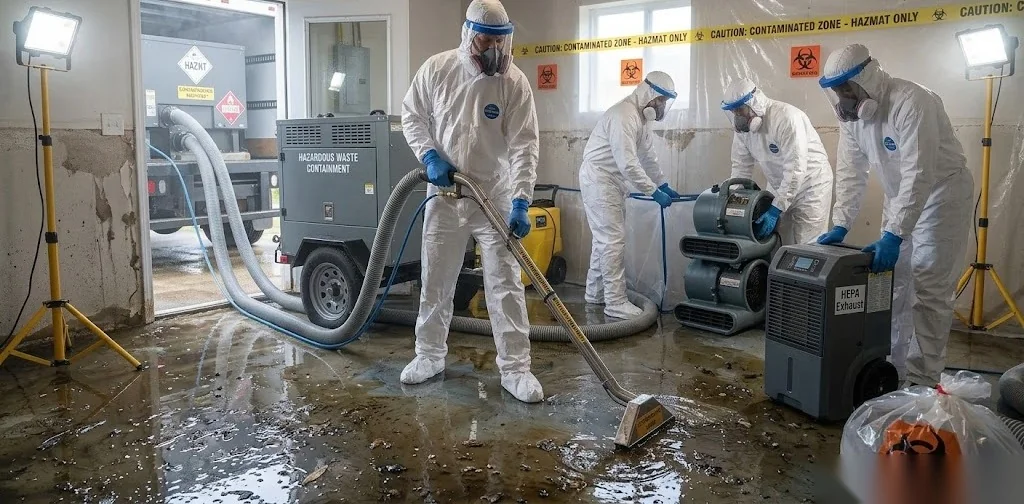
Category 2 (grey water) and Category 3 (black water) losses require additional containment, negative air pressure, antimicrobial treatment, and often more aggressive material removal than a straightforward Category 1 clean water loss, all of which add cost beyond the drying equipment itself. the Arizona Department of Insurance and Financial Institutions has useful guidance on this if you want to read further.
Materials Involved
As covered throughout our material-specific guides — concrete slabs, subfloors, plaster versus drywall — some materials simply take longer and require more specialized equipment to dry than others, extending the billed duration.
How Long the Water Sat Before Discovery
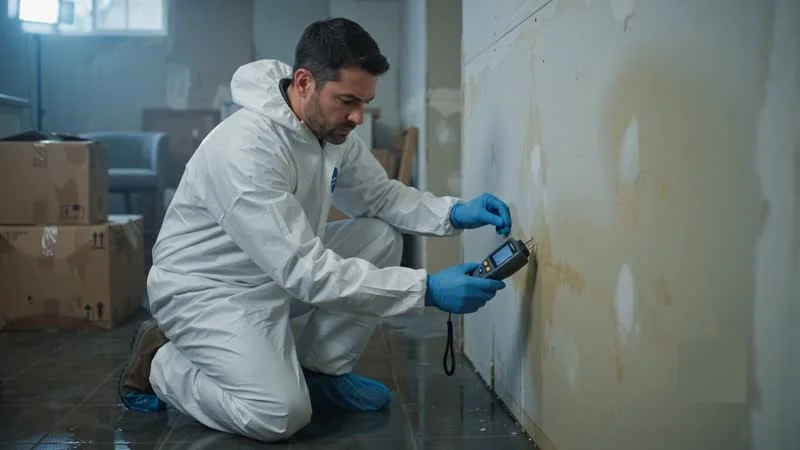
A leak discovered and addressed within hours generally requires a shorter, less intensive drying program than one that went undetected for days, since extended saturation both increases the area of affected material and raises the likelihood that materials will need replacement rather than drying, which shifts cost from the drying line item to demolition and reconstruction. You can also review FEMA's National Flood Insurance Program for an outside perspective on this.
Number of Affected Rooms and Zones
Water that has traveled between multiple rooms or floors requires additional containment zones and equipment, and may extend the overall timeline if different zones are drying at different rates due to varying materials or exposure levels.