Water Volume and Category
The amount of standing water and its contamination category are the two biggest cost drivers. Category 3 black water extraction costs more than clean water extraction of the same volume due to required PPE, containment, and disposal of affected porous materials. It's worth browsing our full list of restoration services to see which one matches what you're dealing with. If cost is on your mind, how our pricing works breaks down what typically drives the number up or down.
Flooring and Material Type
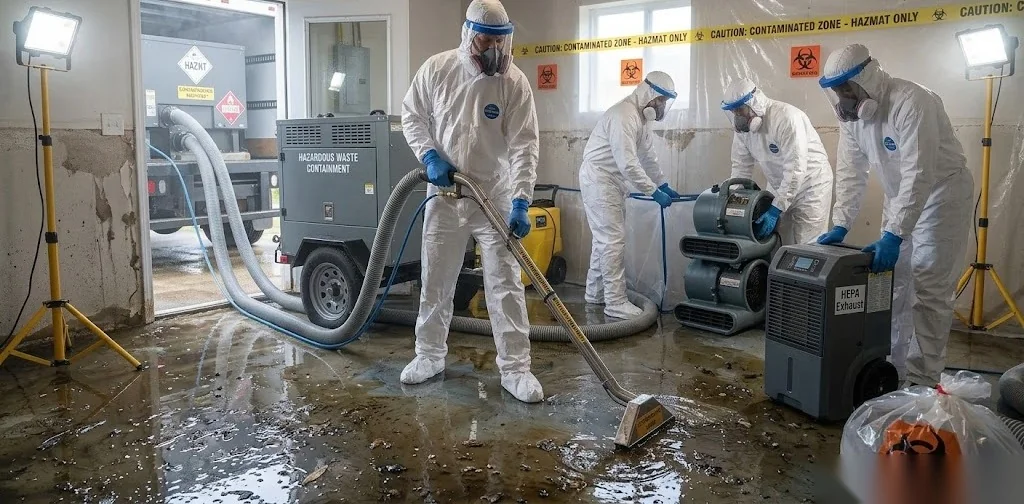
Extracting from carpet with saturated padding costs more per square foot than extracting from tile, both because of the extra labor with weighted wands and because padding often needs replacement rather than drying. If you want to go deeper on this, our guide on Reading a Water Mitigation Estimate: Line Items Explained covers it well. We also break this down further in What Structural Drying Equipment Costs — and Why It's on Your Restoration Invoice.
Accessibility and Property Layout
Multi-story properties, tight interior spaces requiring portable rather than truck-mounted equipment, and water that's migrated into wall cavities or under cabinetry all add labor time and therefore cost compared to a straightforward open-room extraction. For a related situation, see our post on Water Damage Insurance Documentation: Building a Strong Claim in Phoenix. For background from an independent source, see the Insurance Information Institute's overview of water damage claims.
Getting an Accurate Estimate
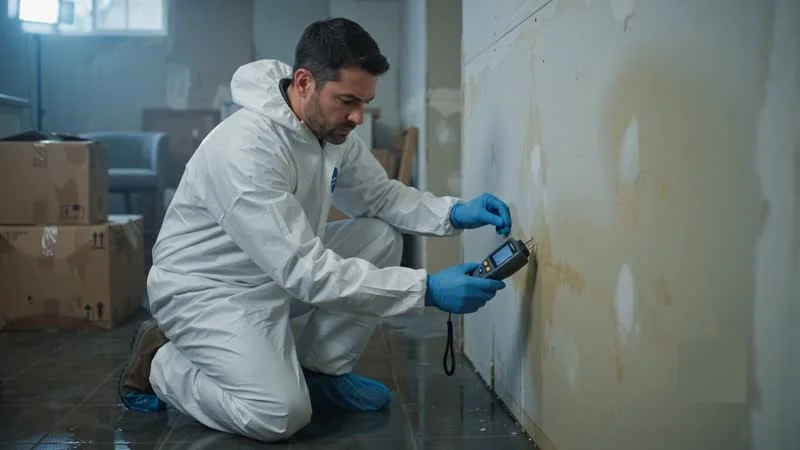
Because these variables aren't fully knowable until a technician assesses the property in person, be cautious of any company quoting a firm price over the phone before seeing the damage — a written on-site estimate protects both you and the company from surprises later. the Arizona Department of Insurance and Financial Institutions has useful guidance on this if you want to read further. You can also review FEMA's National Flood Insurance Program for an outside perspective on this.