Truck-Mounted Extraction Units
Truck-mounted extractors pull water through a vacuum hose using a powerful engine housed in the service vehicle itself, generating far more suction than any portable unit. They're the workhorse for large, actively flooding residential and commercial properties because they can move hundreds of gallons per hour without needing to be refilled or emptied on-site. We've answered a lot of related questions on answers to common questions. This applies across the Phoenix-area neighborhoods we serve, not just one part of the city.
Portable Extractors for Tight Spaces
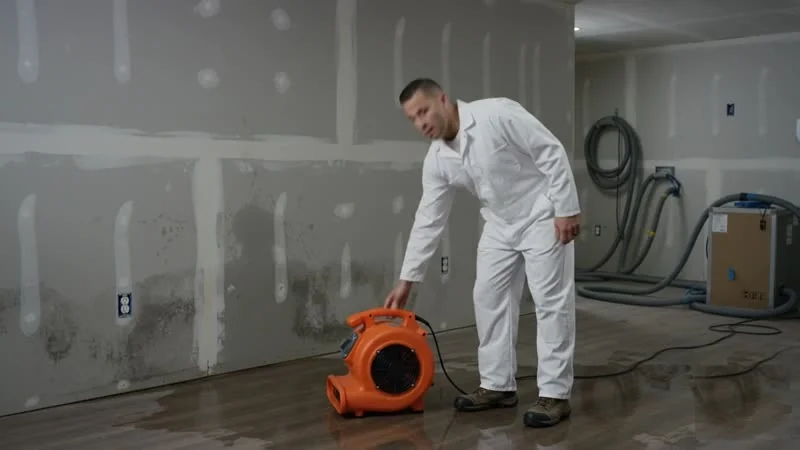
When a hose run from the truck isn't practical — think upper-floor condos, interior offices, or properties with long driveways — portable extraction units do the same job on a smaller scale. They're slower but essential for reaching bathrooms, closets, and multi-story buildings where a truck-mounted hose can't easily travel. If you want to go deeper on this, our guide on Air Mover Placement Strategy: How Many Do You Actually Need? covers it well. We also break this down further in How Restoration Companies Maintain Extraction Equipment Between Phoenix Jobs.
Weighted Extraction Wands for Carpet
Weighted wands use the extractor's suction combined with downward pressure to pull water out of carpet fiber and padding rather than just the surface. This step is what separates a surface mop-up from genuine extraction — carpet that looks dry on top can still be holding significant water in the padding underneath. For a related situation, see our post on How Restoration Crews Set Up a Drying Chamber in Your Phoenix Home. For background from an independent source, see the IICRC S500 restoration standard.
Submersible Pumps for Standing Water
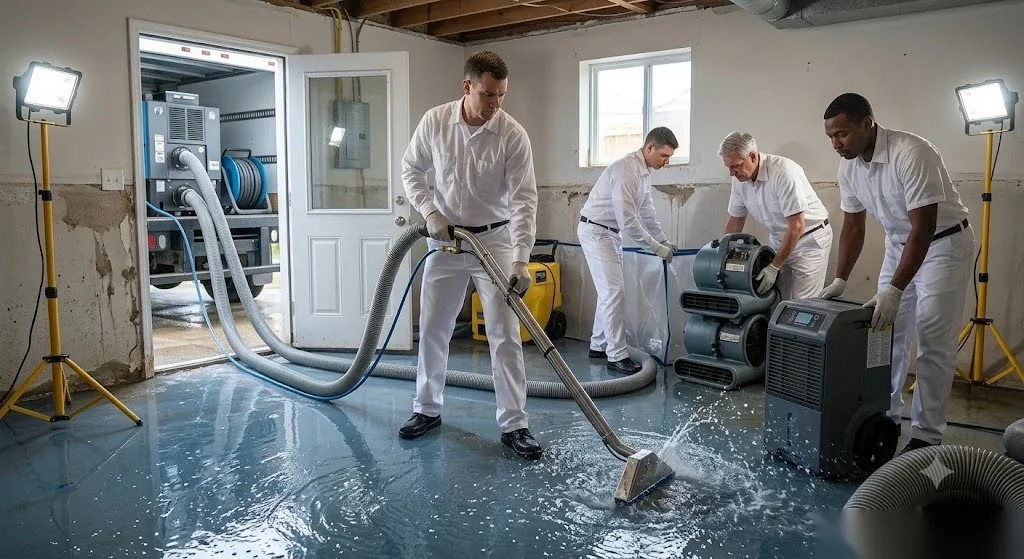
For water deeper than about two inches — a flooded garage or a pool overflow situation — submersible pumps move large volumes fast before the slower extraction wands finish the job on the remaining shallow water and saturated materials. the EPA's moisture control guidance has useful guidance on this if you want to read further. You can also review the Department of Energy's ventilation and humidity guidance for an outside perspective on this.