Why Toilet Leaks Are So Common
The flapper valve inside a toilet tank is a simple rubber seal that wears out over time, especially with Phoenix's mineral-heavy water contributing to buildup that keeps the flapper from sealing fully. When it doesn't seal, water continuously trickles from the tank into the bowl — often silently enough that no one notices. This applies across the Phoenix-area neighborhoods we serve, not just one part of the city. You can learn more about our Phoenix water damage restoration company and how we help Phoenix homeowners recover quickly.
The Dye Test
Add a few drops of food coloring or a dye tablet to the toilet tank, then wait 10 to 15 minutes without flushing. If color appears in the bowl before you flush, water is leaking past the flapper from the tank into the bowl — a clear sign of a faulty seal. If you want to go deeper on this, our guide on Kitchen Water Damage Repair: Cabinet Assessment and Restoration covers it well. We also break this down further in Kitchen Water Damage Repair After a Dishwasher Leak.
Other Signs to Watch For
A toilet that runs intermittently, makes a faint hissing sound after refilling, or requires jiggling the handle to stop running is showing signs of a worn flapper or fill valve. Some running toilets are loud and obvious; others run so quietly the only clue is a water bill that's crept up over a few months. For a related situation, see our post on Bathroom Water Damage in Phoenix: Causes, Restoration, and Prevention. For background from an independent source, see the Consumer Product Safety Commission's appliance safety resources.
Fixing It
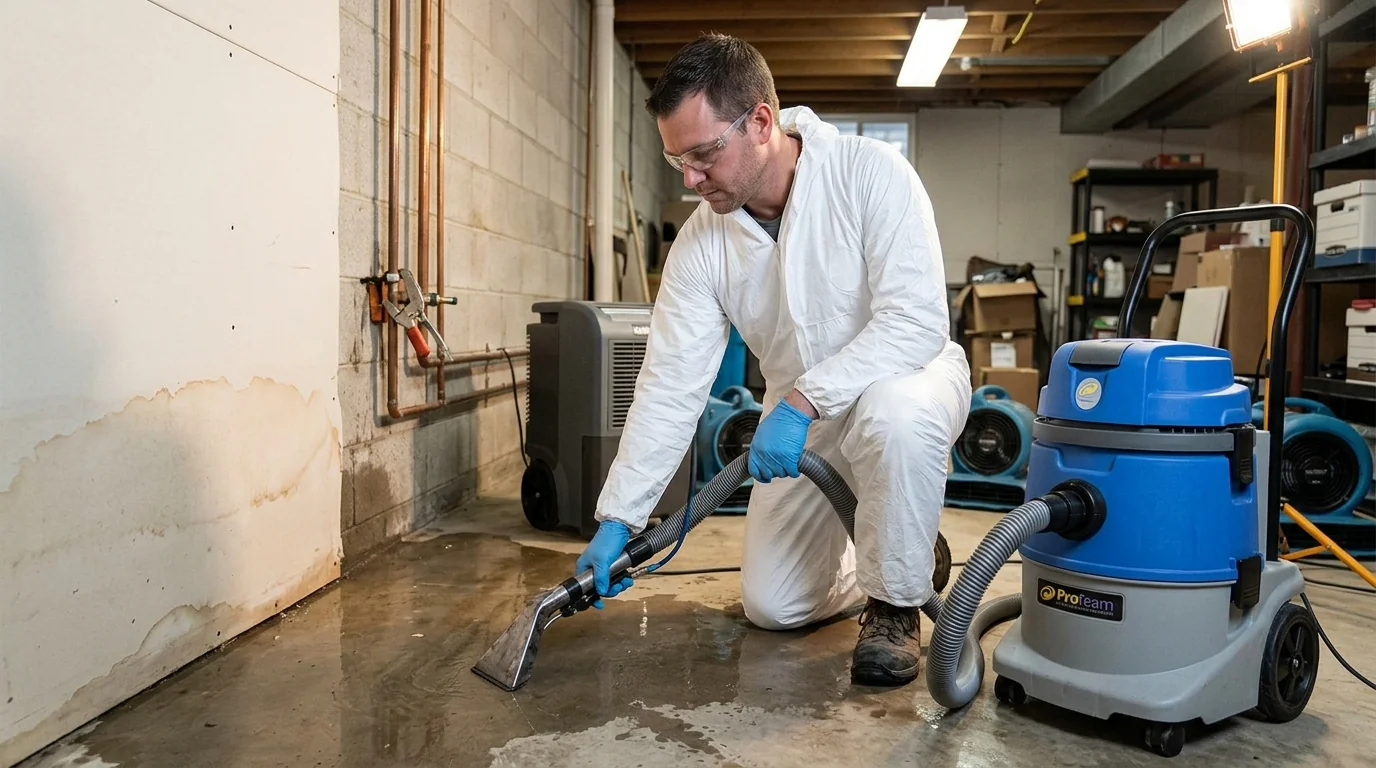
Most toilet leaks are a straightforward flapper or fill valve replacement that doesn't require a plumber for many homeowners, though a persistent leak after replacing the flapper may point to a cracked tank or a more significant issue worth having checked. Because toilet leaks run continuously rather than intermittently, even a small one can add up to real water waste and, in rare cases where water escapes the tank onto flooring, structural water damage over time. the IICRC S500 restoration standard has useful guidance on this if you want to read further. You can also review the EPA's mold prevention guidance for an outside perspective on this.